
Much of the conversation this offseason centered on the Twins adding impact offense or bolstering the bullpen. On paper, they have checked those boxes, albeit without much flash. Josh Bell adds a switch-hitting bat with power. Victor Caratini provides depth and flexibility behind the plate. Taylor Rogers brings a familiar and reliable late-inning arm back into the fold. None of those moves qualify as headline-grabbers, but they do improve the roster.
One area the Twins have not yet addressed is starting pitching, and on the surface that is a perfectly reasonable stance. Starting pitching is arguably the strongest area of the roster heading into 2026. Joe Ryan and Pablo Lopez anchor the rotation as proven, high-end starters. Bailey Ober, despite a frustrating and injury-marred 2025 season, still offers mid-rotation stability when healthy. Behind them is a wave of young, intriguing arms with upside, including Zebby Matthews, Simeon Woods Richardson, David Festa, Taj Bradley, and Mick Abel.
Because of that depth, it was somewhat surprising to read ESPN’s Jesse Rogers nugget that the Twins were “in” on Framber Valdez before the Tigers signed the former Astros ace. That came on the heels of Ken Rosenthal of The Athletic reporting earlier this offseason that the Twins expressed “late interest” in Freddy Peralta before the Mets ultimately traded for him. Both pitchers represent a clear tier above the remaining free agent starters, however those reports suggest the Twins may not be as content with their current rotation as it appears.
Adding another starting pitcher makes sense on multiple levels. While the Twins have a lot of depth and upside, there is also a significant amount of risk baked into the group. Pablo Lopez and Joe Ryan are as close to certainties as the Twins have. After that, confidence becomes much shakier. Bailey Ober entered last season as a reliable option, but injuries, inconsistency, and a tendency to give up the long ball introduced real doubt heading into 2026. Beyond Ober, the rotation is filled with young arms who are interesting but unproven. Simeon Woods Richardson profiles as a steady option, though his upside is limited. David Festa and Zebby Matthews have flashed promise across two seasons but have also struggled with command and efficiency. Taj Bradley and Mick Abel offer top-half-of-the-rotation upside, but both have shown the kind of volatility that makes it hard to count on them as being ready. High ERAs, uneven workloads, and growing pains have been part of the story for nearly all of the Twins’ starting pitching depth.
Another reason to continue exploring the starting pitching market is identity. A common critique of this iteration of the Twins is that they lack a clear identity. Leaning fully into starting pitching could change that. Even without a true ace available, adding a dependable veteran would allow the Twins to push young arms to Triple A, protect workloads, and build depth that inevitably gets tested over a long season. It is a way to build on a strength rather than constantly chasing weaknesses.
If the Twins do decide to add a starter during spring training, there are still a few intriguing names on the market.
Lucas Giolito
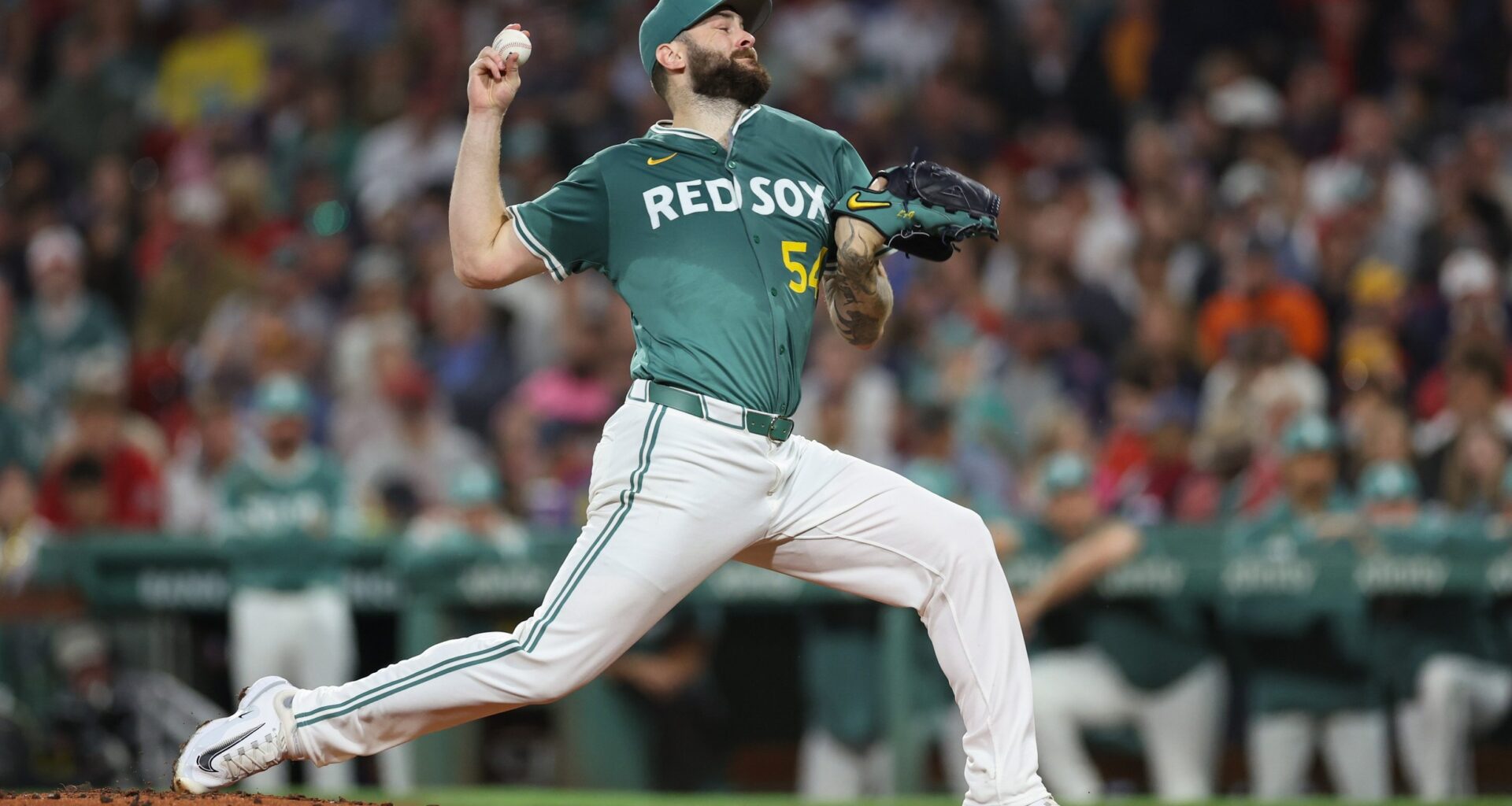
Giolito is a familiar name to Twins fans after years as a division rival and frequent foe during his time as the ace of the Chicago White Sox. Now heading into his 10th Major League season, the former All Star remains a solid and dependable starting pitcher. Last season with the Red Sox, Giolito logged 145 innings with a 3.41 ERA, and he was even better down the stretch, posting a 2.51 ERA over his final 19 appearances. His season ended early due to flexor irritation, but there were no signs of a broader decline when he was on the mound. As a veteran presence, Giolito would fit a recent Twins trend of adding experienced arms to stabilize the roster, joining names like his former Chicago teammate Liam Hendriks. He may no longer profile as a front-line ace, but his durability, experience, and familiarity with the division make him a logical option for the Twins.
Zack Littell
A familiar name for Twins fans, Littell pitched out of the bullpen for Minnesota for parts of three seasons before bouncing around and reinventing himself as a starter in Tampa Bay. Since the start of the 2024 season, Littell owns a 3.73 ERA with an excellent 4.30 strikeout-to-walk ratio. Now 30 years old, a reunion where his career began would be an interesting full-circle moment. There are reasons to be skeptical based on his underlying numbers, but Littell has delivered consistently solid outings since being permanently moved into a rotation.
Griffin Canning
Now 29 years old, Canning, was once a highly regarded prospect after being selected in the second round. Injuries have defined much of his career, but he showed promise early last season, posting a 3.77 ERA over 76 1/3 innings before tearing his Achilles. He is still rehabbing but should be ready around Opening Day. That injury likely creates an opportunity to sign him at a reasonable price on a short-term, make-good deal. There is upside here, and if things click, Canning could also become a trade chip at the deadline, should the Twins season find themselves in the position to sell yet again this season.
Spring training being underway does not mean the Twins are done shaping their roster. Recent reporting indicates the front office has at least explored adding another impact arm. While starting pitching is already a strength, it is also an area filled with volatility beneath the top two names.
Adding a veteran starter would not only mitigate risk but could also help define what this Twins team wants to be in 2026. Depth, durability, and pitching could become the backbone of the roster, giving Minnesota a clearer identity and a higher floor heading into the season.
What do you think? Should the Twins stand pat and trust their young arms, or does it make sense to add another starter even this late in the offseason? Join the conversation and let us know your thoughts in the comments.