
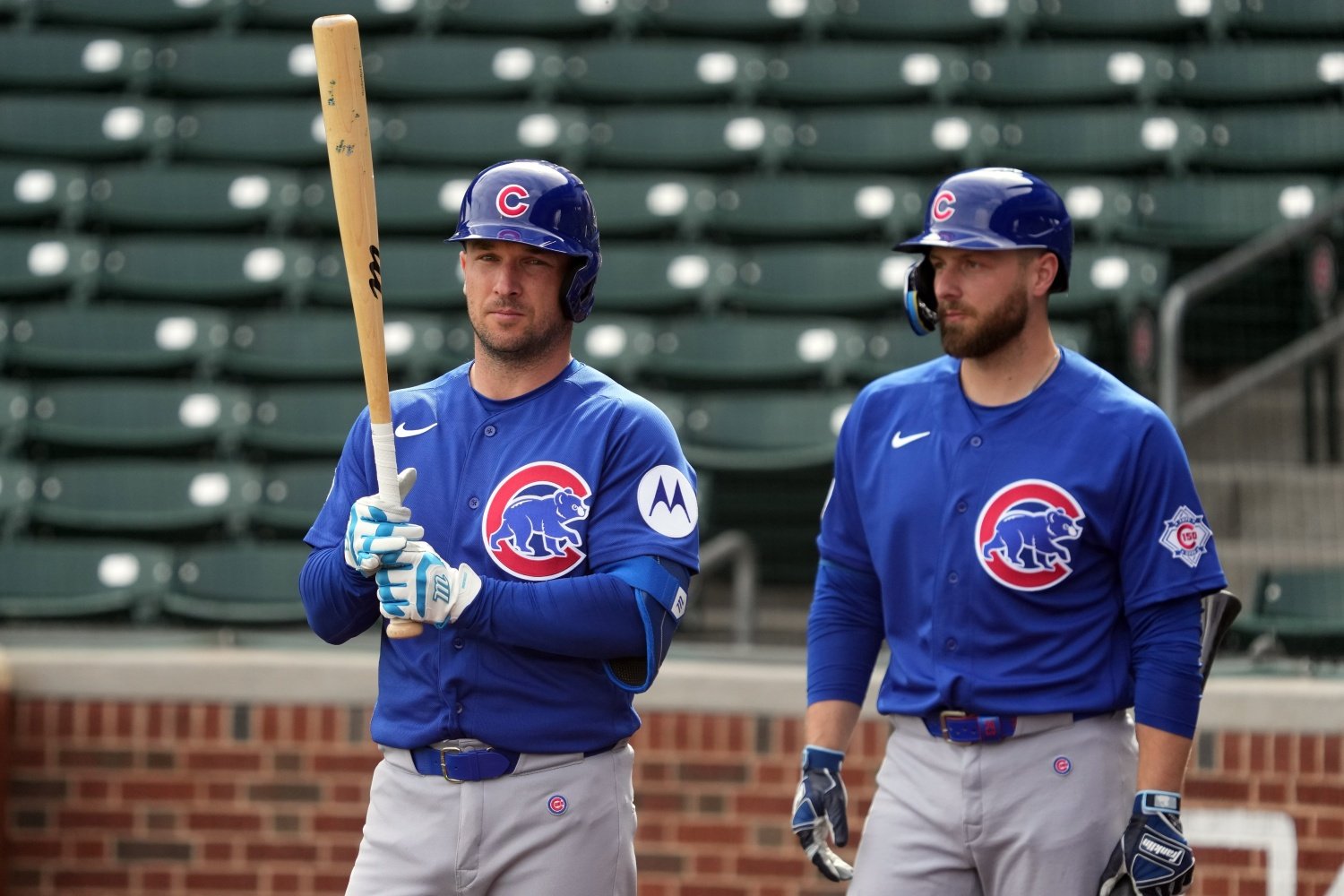
For all the good Jed Hoyer does as the president of baseball operations for the Chicago Cubs, he makes some big mistakes, over and over. He’s a good seeker of bargains in free agency and a tough negotiator. He’s assembled an improved scouting and player development infrastructure. He assiduously avoids bad risks, and gets his biggest moves directionally right almost every time. However, he’s not good at the vital, detail-oriented job of building a functional roster. That’s the biggest reason why the Brewers have finished ahead of the Cubs in every season of Hoyer’s tenure as the team’s top executive, and it could be what holds back a talented 2026 club, too.
‘Directionally right’ might be the operative term, and one that cuts both ways—or, rather, doesn’t. Hoyer signed Alex Bregman to take over at third base this season, and he replaced departing free agent Justin Turner with righty slugger Tyler Austin. He also traded Owen Caissie to the Marlins in the Edward Cabrera deal. Moisés Ballesteros is, broadly speaking, set to replace the departed Kyle Tucker, slotting in as the designated hitter most of the time and pushing Seiya Suzuki back to regular work in right field. Even if you’re high on Ballesteros, though, he’s not a Tucker-caliber hitter. It’s really Bregman who will be asked to bolster the batting order, bumping Matt Shaw from the lineup but providing the production Tucker brought to the table.
In other words, the Cubs got more right-handed this winter, when it comes to scoring runs. They have three everyday players who bat left-handed (at least against right-handed pitchers), in Pete Crow-Armstrong, Michael Busch and Ian Happ. In theory, Ballesteros is the fourth lefty bat in the lineup against righties. There are two problems here:
While Busch is a star-caliber slugger, Happ’s offensive profile is more steady than spectacular. Crow-Armstrong has the whole world dreaming on his upside after a terrific start to 2025, but he was one of the worst hitters in baseball after the All-Star break, and his approach is a major constraint on any optimism about his bat. He’s in the lineup every day, but more for his glove than his bat.
Ballesteros, in addition to being unproven after getting just 66 plate appearances in his first taste of the majors last year, has yet to arrive in Cubs camp. This is not his fault; his visa is being held up as he tries to return from his native Venezuela. Nonetheless, it’s a problem, for a player who needs a full camp’s worth of reps and exposure to prepare for his first full season in the bigs.
As of Wednesday, FanGraphs projects only 36.5% of the Cubs’ total plate appearances to go to players who have the ability to bat left-handed, including the switch-hitting Happ. They’re a very right-leaning offense, with both catchers and all three non-first base infielders batting righty. Suzuki, Austin, Shaw and all of the candidates for the remaining bench spot bat right-handed.
Last year, 47.8% of the Cubs’ plate appearances went to left-handed or switch-hitting batters. That’s a healthier number, and even with Tucker out of the mix, the team needs to be ready to give at least 40% of its playing time to guys who can bat lefty against righty pitchers. That’s not the case right now, and even the current projections are probably too generous to the team. Ballesteros is slated for 382 plate appearances, which should certainly be the goal, but if he can’t get going in camp until four weeks before Opening Day, the risk that he has to spend a significant chunk of the season at Triple-A Iowa is substantial.
There’s not really a good solution out there, at this point—at least in free agency. The Cubs could explore a trade to add a lefty bat, but it’s late in the game on that front. Every worthwhile free-agent hitter has signed. There are likely to be times, especially early in the season, when the Cubs feel locked into bad matchups with parades of opposing right-handed pitchers.
To win enough games to get past Milwaukee this time around, the Cubs need to be more efficient than they’ve been in the past. Right now, they’re not in a position to do that, which is a major problem, and there might not be a solution to that problem available. The team doesn’t even have a dark-horse candidate for a roster spot in camp who bats left-handed. Hoyer hasn’t built a roster that hums the way it will need to, and if he waits until the trade deadline to address his shortage of good lefty bats, it might be too late.