
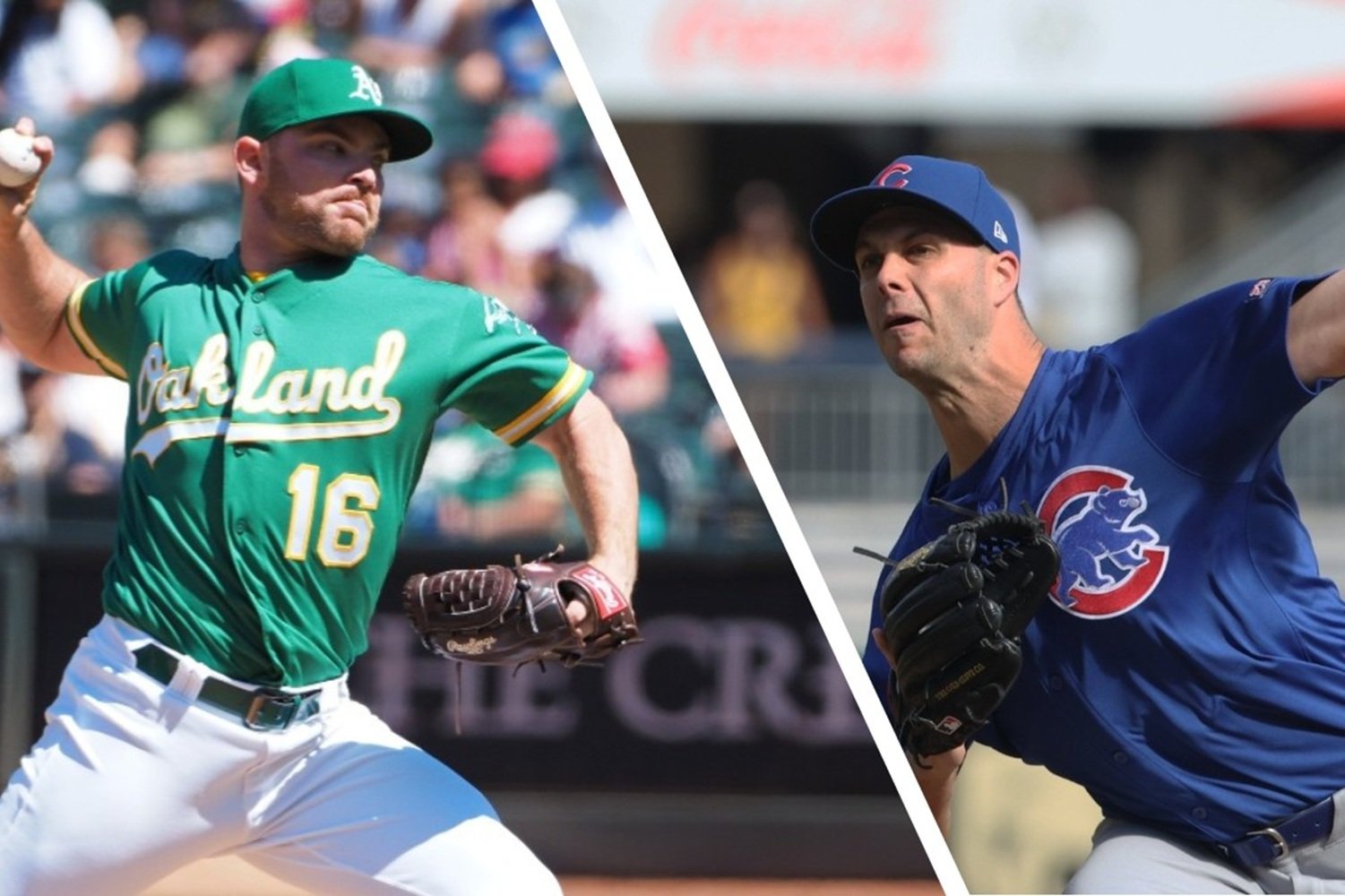
For a Twins team that has spent the last calendar year reshaping its pitching depth chart, the 2026 season represents something more than just another attempt to stabilize the late innings. The Twins are asking two veteran relievers to do more than get outs in high-leverage spots. They are being tasked with helping mold the next wave of pitching talent that could define the organization for years to come.
Taylor Rogers recently said that veteran relievers are most effective in helping younger players when they come to you. You don’t want to insert yourself into their development because that might screw them up. Also, he appreciated that when he was coming up to the big leagues, nobody made a big deal about it. But when they come to you, they are receptive.
“Unfortunately,” Rogers said, “that’s usually because the ****’s hitting the fan.”
That kind of hands-off leadership style might prove especially valuable this spring, as several young arms attempt to find their footing in roles that could change quickly based on need. Twins manager Derek Shelton emphasized the importance of constructing a bullpen that balances experience with adaptability when discussing how the front office approached its offseason additions.
“When you have that mix of people, and then Jeremy did a really good job in our conversations of being diligent about the guys that we brought into this group in another way,” Shelton said. “Taylor Rogers is a perfect example.”
Shelton also pointed to the return of a familiar face as a critical piece in building a cohesive pitching group.
“I mean, even signing Liam Hendriks and bringing him back, a guy that … has been at the end of the game and has done things and has relationships here,” said Shelton. “Yeah, it’s very important how we add people to that group.”
From the player’s side, the messaging has been consistent. Opportunity often comes down to performance and the ability to adjust when roles change.
“You look at it from a point of view where there are lot of guys that have flip-flopped between (starter and reliever) and been very successful,” Hendriks said. “There’s a lot of guys that may not necessarily have been the best starters but turned out to be really good relievers. You want the opportunities, you’ve got to go out there and pitch.”
There will be plenty of young pitchers who will be walking a fine line between starter and reliever this spring. Minnesota has already discussed using Marco Raya and Travis Adams more regularly in relief. Connor Prielipp, one of the team’s top pitching prospects, has told reporters that he is building up to be a starter, but things could certainly shift later this year.
Minnesota also has other starters, like David Festa, Zebby Matthews, and John Klein, who could get more time in a relief role. St. Paul’s rotation could include Prielipp, Matthews, Festa, Klein, and other options such as Andrew Morris, Kendry Rojas, and Mick Abel. That’s a lot of arms for the beginning of the year, which usually has plenty of weather-related postponements.
Jeremy Zoll and the rest of the front office understand that bullpen development is rarely linear. The organization has increasingly viewed relief work as a way to both manage innings and accelerate major league readiness for pitchers who may not have a clear rotation path in the short term.
If that strategy works, the impact could stretch far beyond the 2026 season. Veteran relievers might be remembered not just for locking down wins, but for helping a new generation of arms learn how to navigate the mental and physical challenges of pitching in the late innings.
In that sense, this bullpen is not just about protecting leads. It’s about building the framework for the next great Twins pitching staff and making sure that when the next wave arrives, they are ready for whatever role the team needs them to fill.
How can Rogers and Hendriks help rebuild the team’s bullpen this year? Leave a comment and start the discussion.