
The 2026 Minnesota Twins entered spring training with a clear identity. If there was one area this roster could hang its hat on, it was starting pitching. That strength was supposed to give the Twins a path, however narrow, to relevance and possibly even a surprise playoff push.
That plan lasted exactly one day.
Twins ace Pablo López suffered a torn UCL on the first day of spring training, an injury expected to sideline him for the entirety of the 2026 season. In one moment, the Twins lost the pitcher they were most reliant on to anchor the rotation.
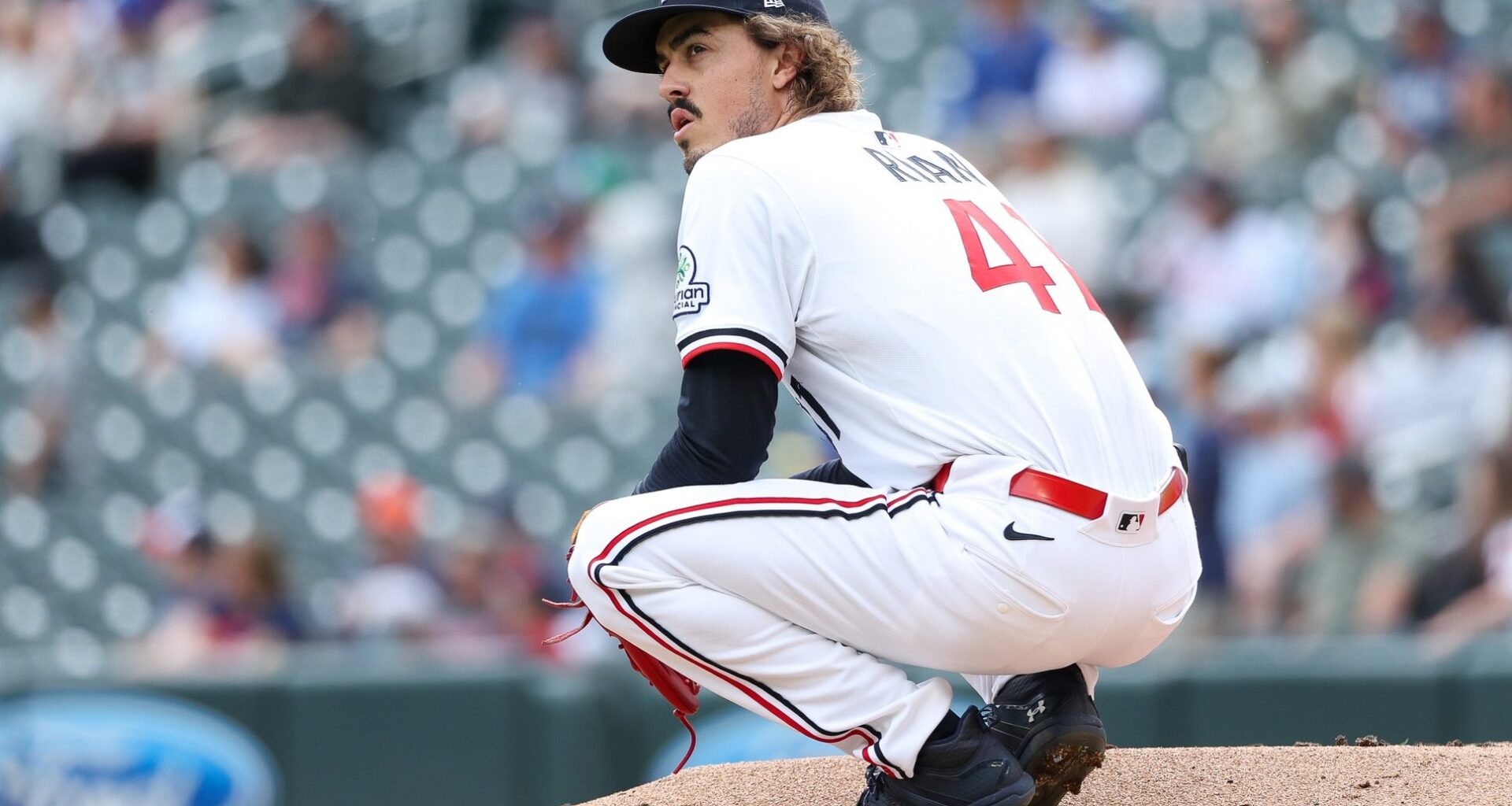
In the wake of that injury, the Twins need to reassess their direction, and that reassessment should lead to one clear conclusion: It is time to trade Joe Ryan.
Even before López went down, the Twins’ margin for error was already slim. The idea was never that Minnesota could contend with a merely solid rotation. Their chances rested on starting pitching being outstanding in order to offset a lineup filled with question marks and a bullpen that lacked proven reliability.
Without López, that scenario becomes increasingly difficult to envision.
Every remaining starter is now pushed up a rung in responsibility. The first depth arm in St. Paul, whoever that would have been, is no longer a depth option but a necessary member of the rotation. Any flexibility the Twins may have had to deploy a starter in a hybrid bullpen role, similar to how Louie Varland had been used just last season, is now gone as well.
Even if starting pitching remains the team’s relative strength, that says more about the rest of the roster than it does about the rotation’s ceiling. A good rotation is not enough for this team. The Twins needed an elite one, and without López it is hard to imagine a realistic scenario in which they reach that level.
The projections reflect that reality. FanGraphs gave the Twins a 31% chance to make the playoffs before the injury. Following Lopez’s diagnosis, that number has dropped to 26.5%, with Vegas moving the Twins’ win total to just 73.5 games.
The odds were already low. Now they are even lower.
That context makes Ryan’s situation impossible to ignore. He is 29 years old and firmly in the prime of his career, coming off a season in which he earned his first All-Star selection while posting a career-best 3.42 ERA. He also has two full seasons of team control remaining, which matters greatly in the current pitching market.
That market has changed. The free agent pool of starting pitchers has largely dried up, leaving trades as the primary avenue for contenders to improve their rotations. There may not be a more attractive starter realistically available than Ryan, who is durable, effective, controllable, and producing at a peak level.
The Twins already know the interest is real. At last season’s trade deadline, during the team’s fire sale in which 10 players were moved, Ryan nearly became the 11th. Advanced talks with the Boston Red Sox never materialized into a deal, but speculation followed Ryan into the offseason as many wondered whether the Twins would ultimately trade him, López, or both.
The Twins chose to hold onto their starters with the belief that pitching could carry the 2026 roster. That bet didn’t work out.
Whether it means reopening discussions with Boston, a team that still enters the season with questions at the back of its rotation, or engaging another contender looking to stockpile pitching depth, the Twins should be aggressive. Injuries happen every spring. Another team could quickly find itself desperate for a starting pitcher, and Minnesota should be prepared to capitalize.
It was arguable that the Twins should have traded Ryan during last year’s fire sale. It was arguable that they could have done it this offseason. After López’s injury, it is no longer debatable.
Ryan would command a significant prospect return, the kind of capital that could help reset the organization’s timeline and better position the Twins for the future. With each passing month, his value declines as his remaining team control decreases.
There is also an uncomfortable reality the Twins just experienced firsthand. Health is far from guaranteed, especially for starting pitchers. What happened to Lopez this spring could just as easily happen to Ryan. While no one could have predicted López’s injury, the decision not to trade him now looks like a missed opportunity in hindsight. The Twins cannot afford to risk another one.
With a healthy Ryan who may never have more trade value than he does right now, the Twins should cash in.
López’s injury did not just remove an ace from the rotation. It fundamentally altered the Twins competitive outlook for 2026. The path that once existed, however narrow, has become even smaller. In that context, holding onto Ryan no longer makes sense. Trading him now offers the Twins their best chance to extract meaningful value, mitigate risk, and begin charting a more realistic course forward.
What do you think? Should the Twins move Joe Ryan now and lean into a reset, or is there still a case for holding onto him despite the long odds? Leave a comment below and start the conversation!