
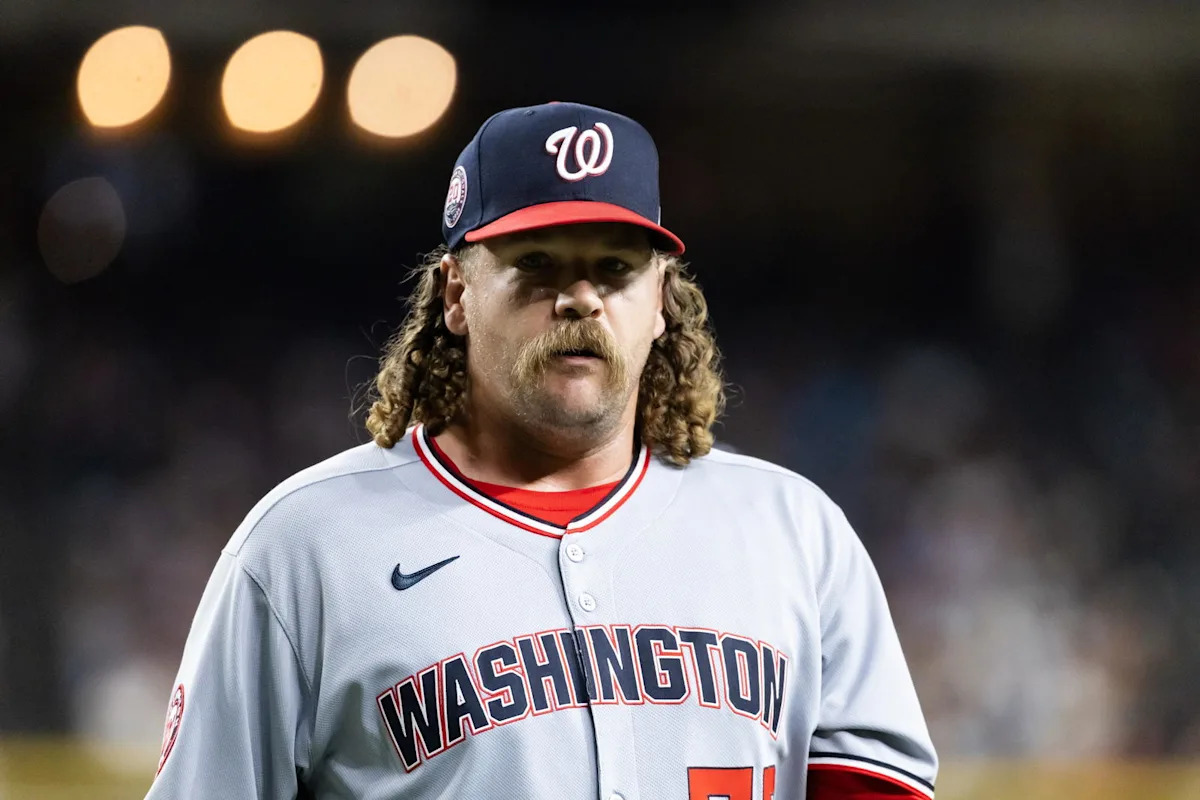
The Minnesota Twins entered the offseason with a clear goal: build bullpen depth without overcommitting financially. Rather than chasing high‑priced relief pitchers, the organization opted to stockpile low‑risk, experienced arms capable of competing for roles throughout the duration of spring training.
Among those additions are several left‑handed options, including Taylor Rogers, Andrew Chafin and Anthony Banda, as well as other depth pieces brought in on minor league deals. The approach reflects a broader strategy of flexibility, allowing the Twins to evaluate multiple veterans while preserving payroll space.
Advertisement
One of those veterans has already drawn attention early on, not for results but for a concerning trend. Veteran Andrew Chafin addressed a noticeable drop in velocity early in spring training earlier this week as he topped out at just 87 miles per hour on Wednesday.
“If I cared about velo, I wouldn’t have a job anymore. It’s just a matter of tricking the body into doing what I want it to do when I want it to do it. And it doesn’t really have a choice, so it’s like a mind‑over‑matter dance,” Chafin said (h/t Aaron Gleeman of The Athletic).
While Chafin’s comments suggest confidence in his ability to adjust, the underlying numbers raise legitimate concerns. According to Baseball Savant, he averaged just 89.7 miles per hour on his fastball last season, already on the lower end for a late‑inning reliever. Any further decline could significantly impact his effectiveness, especially in high‑leverage situations.
Advertisement
Despite that, Chafin remains an intriguing candidate to make the roster. The Twins signed the veteran left‑hander to a minor league deal with a non‑roster invitation to spring training, giving him a chance to earn a bullpen spot. If he makes the active roster, he will earn $2 million for the 2026 season, with an additional $1.25 million available through performance bonuses.
Even with the velocity concerns, Chafin’s recent production suggests he still has value. In 2025, he posted a strong 2.41 ERA across 33 2/3 innings while maintaining a solid strikeout rate. However, his elevated walk rate and underlying metrics indicate some instability, making consistency a key question moving forward.
Health has also been a factor. Injuries limited his availability last season, and durability will be critical if he hopes to secure a role in Minnesota’s bullpen.
For the Twins, this is exactly the type of low‑risk, potentially high‑reward move that defines their offseason. If Chafin can regain even a slight edge in velocity or command, he could emerge as a valuable contributor. If not, the team has built enough depth to pivot without significant consequences.