
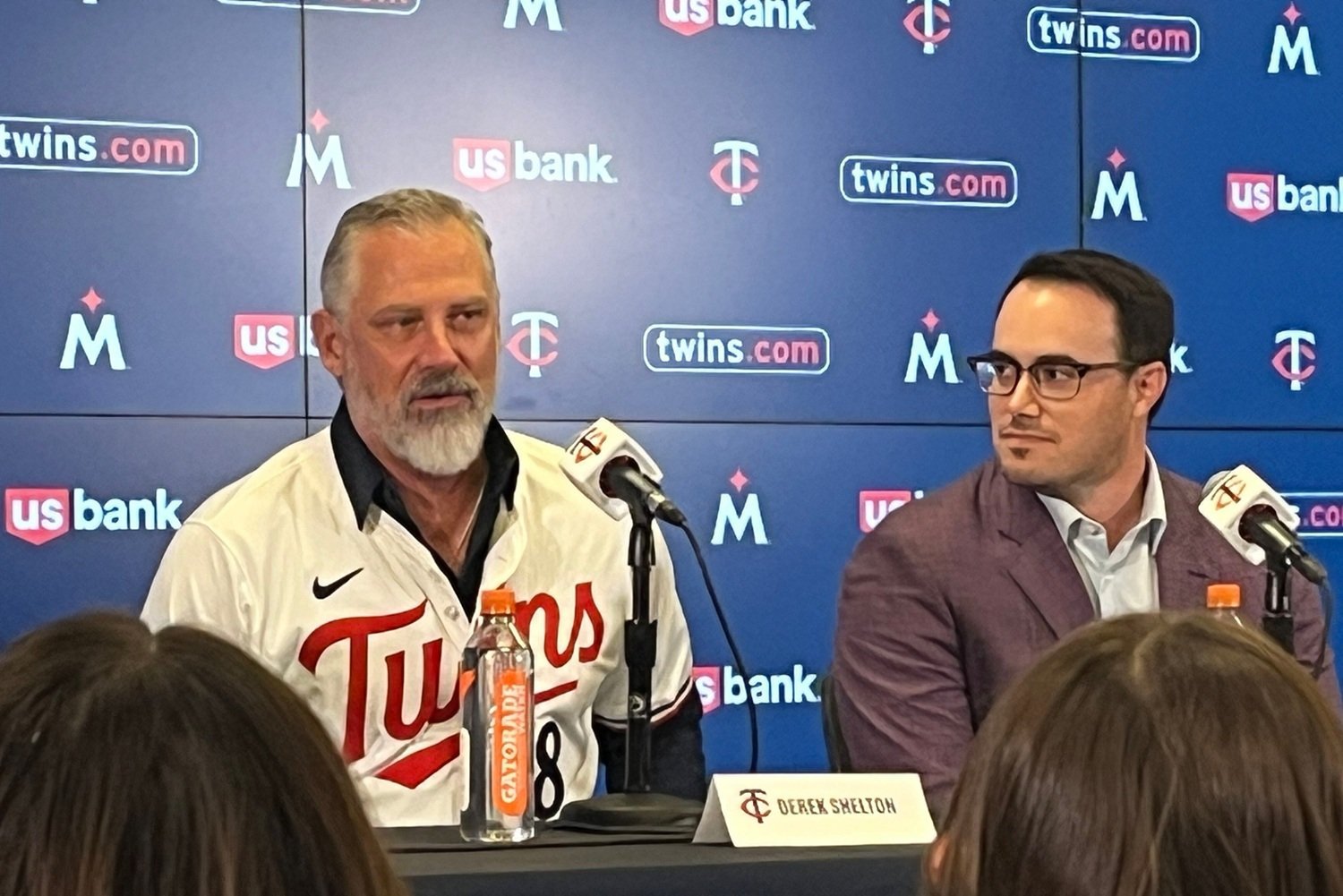
There are difficult starts to a new job, and then there’s whatever the last few weeks have been for Jeremy Zoll.
When Zoll took the reins of baseball operations at the end of last month, it was supposed to be a seamless transition from the leadership group that had helped keep Minnesota competitive for the better part of a decade. Instead, it quickly became the organizational equivalent of logging into your email on Monday morning to discover that every message is marked urgent and your password no longer works.
Things began unraveling when Derek Falvey shocked everyone by mutually agreeing to part ways with the Twins just two weeks before spring training began in Florida. Nothing says stability like an unexpected leadership change when pitchers and catchers are already Googling local rental listings.
Then Framber Valdez decided to sign elsewhere. That would have been manageable, if elsewhere had not happened to be within the American League Central, where the Twins will now (ahem) enjoy seeing him approximately three times a year in games that count (and once in a while in their nightmares).
Owner Tom Pohlad continues to insist that the club will contend in 2026, despite most projection systems responding with the statistical equivalent of a polite cough to cover very rude laughter. Optimism remains high internally, which is fortunate, because the external outlook has been described by some as character-building.
Unfortunately, the situation escalated dramatically on the first day of full team workouts when Pablo López suffered a torn UCL. There are bad omens, and then there’s losing your ace before the team photographer has even finished setting up the backdrop.
Sources say that was the moment Zoll quietly opened Google Maps and typed in ‘Los Angeles’.
In what insiders are calling a proactive roster move, Zoll has decided to trade himself back to the Los Angeles Dodgers, in exchange for future considerations and significantly less stress. It is believed that the deal includes a reduced decision-making role, which many view as a feature rather than a bug.
Undeniably, it is simply easier to operate in Los Angeles. There is money. There are resources. There is Shohei Ohtani, who tends to solve problems that might otherwise require an entire analytics department and three offseason strategy meetings.
Even in a lesser role, success feels more attainable when your biggest challenge is deciding which All-Star should bat second, instead of trying to determine how many waiver claims it takes to build a bullpen by May.
The Twins, meanwhile, are expected to name an interim executive sometime before Opening Day, assuming no one else trades themselves first.