
Baseball is the only major American sport without a salary cap, a structural flaw that is allowing a few high-spending, big market teams to increasingly dominate the game while smaller market franchises become less competitive with each passing year.
How bad has the competitive imbalance become? The Los Angeles Dodgers, winners of three of the last six World Series, spent more in payroll plus luxury tax last year than the six lowest-salaried teams combined! And this actually underestimates the Dodgers’ massive financial advantage because it doesn’t include their many large but deferred contracts.
Most MLB teams will not have a 2026 payroll even half that of the Dodgers, with only a handful of other big market teams like the Mets, Yankees, Phillies, Blue Jays and Red Sox carrying payrolls above $250 million (luxury tax not included).
Without some method of limiting spending by big market teams, this imbalance will increasingly create a super league of the 10 or even just five teams competing for a World Series title in October. Other teams, like the Orioles, who haven’t been to the Fall Classic in 40 years, will be left having less and less chance.
The recent resignation of the MLB Players Association executive director is an opportunity to reset negotiations between owners and players toward restructuring baseball so that more teams and more players benefit. But if the owners and players refuse to enact real reform, the expiration of a collective-bargaining agreement in December could lead not only to a lockout and lost games next year but a decline in the popularity and competitiveness of the national pastime itself.
The owners and players have a few key options to genuinely boost competitiveness. They can negotiate a salary or payroll cap of some kind. They can find a way for smaller market teams to gain new sources of revenue, probably by getting a greater percentage of national television revenue than larger franchises do. Or they can place an even greater “luxury tax” on the highest spending teams.
While there are many other lesser ways to increase competitiveness, like limiting player drafts for higher spending teams, these will be no easier to negotiate, and less impactful than basic reforms.
Local television revenue is really the key. It makes up a greater percentage of overall funding for the MLB than any other sport. But right now, with the collapse of the regional sports network television approach, new broadcast deals are receiving only about 50% of the former revenue, and even less in the case of many small market teams. This means that small market team revenue is going down sharply at the very time when the biggest markets are earning more money and spending without limit.
No wonder even someone as wealthy as Orioles owner David Rubenstein has vocally advocated a payroll or salary cap. Competing in by far the highest spending division in baseball against AL East teams like the Yankees, Blue Jays and Red Sox, Rubenstein realizes that his franchise cannot currently generate the revenue needed to outgun those clubs in the long run.
Baltimore had long benefited from a 2005 deal allowing their Mid-Atlantic Sports Network the television rights to the Washington Nationals, a lucrative arrangement for the Orioles that ended last season. This means local television revenue is likely to continue declining for the Orioles, just like other teams.
MLB Commissioner Rob Manfred has also strongly hinted at the need for reforms such as a payroll cap. But right now, it is a non-starter because the players’ union firmly rejects even any discussion of a salary cap of any type. This is a self-defeating stance for players, since baseball’s financial disparity at the team level is also mirrored by a huge chasm in compensation for individual players themselves.
While most media attention goes to massive signings like Juan Soto’s $765 million contract with the free-spending Mets, best estimates find that well over half of MLB players still make under $2 million a year. And the median career length of a typical MLB player is just three years. Only 7% of MLB players reach 10 years of service, which provides the biggest automatic benefits from the union.
The MLB minimum salary is $780,000 in 2026 for those with three years or less experience, but it could still be higher in the following years. Players are eligible for retiree health care only after four years of service — this could be shortened to three years. The period when players are eligible for arbitration could be reduced from five years to four.
In other words, many reforms can help the average player more than the union’s unhealthy fixation with rare $100 million contracts. But without reform, players risk killing the golden goose of baseball competitiveness and profitability in the long term. Most franchises don’t report their yearly profitability, although it is clear revenues for many small markets have declined in recent years. One that does report, the Atlanta Braves, shows losses.
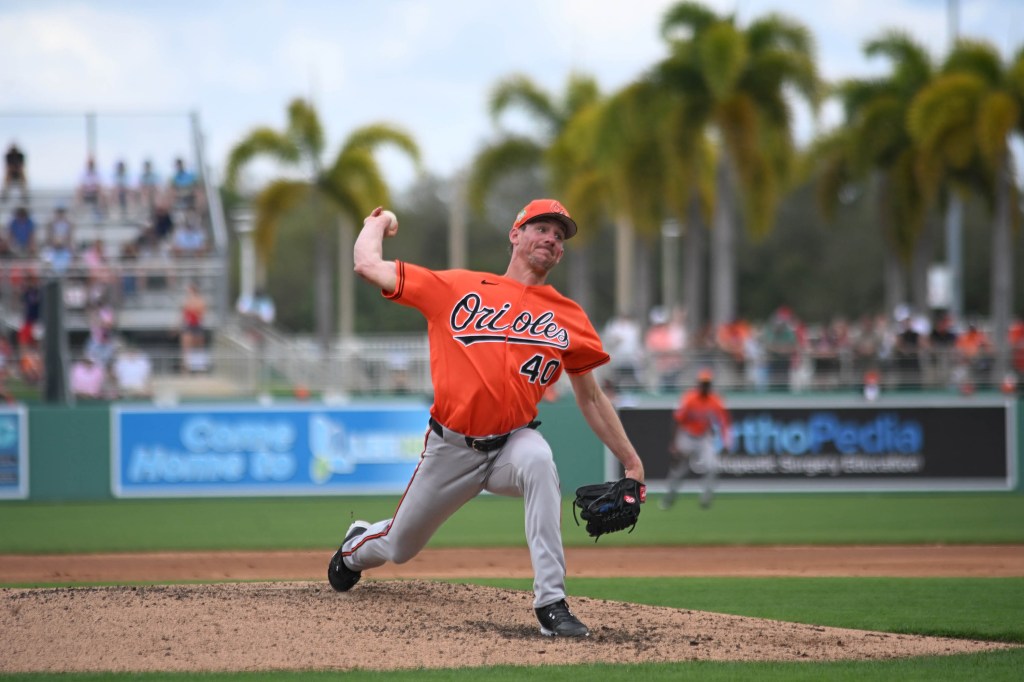
Ironically, the Orioles just gave 11-year veteran starting pitcher Chris Bassitt a one-year deal worth $18.5 million, or almost 10% of their 2026 payroll. Ironic, because Bassitt is one of just eight members of the players’ union’s powerful executive subcommittee that recommends to the full union how to proceed on key issues. Even with huge new contracts for Bassitt, sluggers Pete Alonso and Tyler Ward and others, the Orioles 2026 payroll will be $200 million, ranking 13th highest overall, well behind the Yankees (third highest), Blue Jays (fifth) and Red Sox (seventh).
Bassitt recently downplayed the shake-up at the players union and ardently defended the players’ stance against a salary cap. And newly appointed interim Executive Director Bruce Meyer, a key negotiator for the union since 2018, said there will be no change in the union’s refusal to even discuss a cap.
Given last year’s poor performance, General Manager Mike Elias and David Rubenstein have done a brilliant job through trades and free agency of putting together what should be a very competitive Orioles team for 2026, at least. But this will be a very important year for the future of the Orioles and baseball on — and off — the field.
Paul Bledsoe (@paulbledsoe) is an Orioles fan from Arlington, Virginia.