
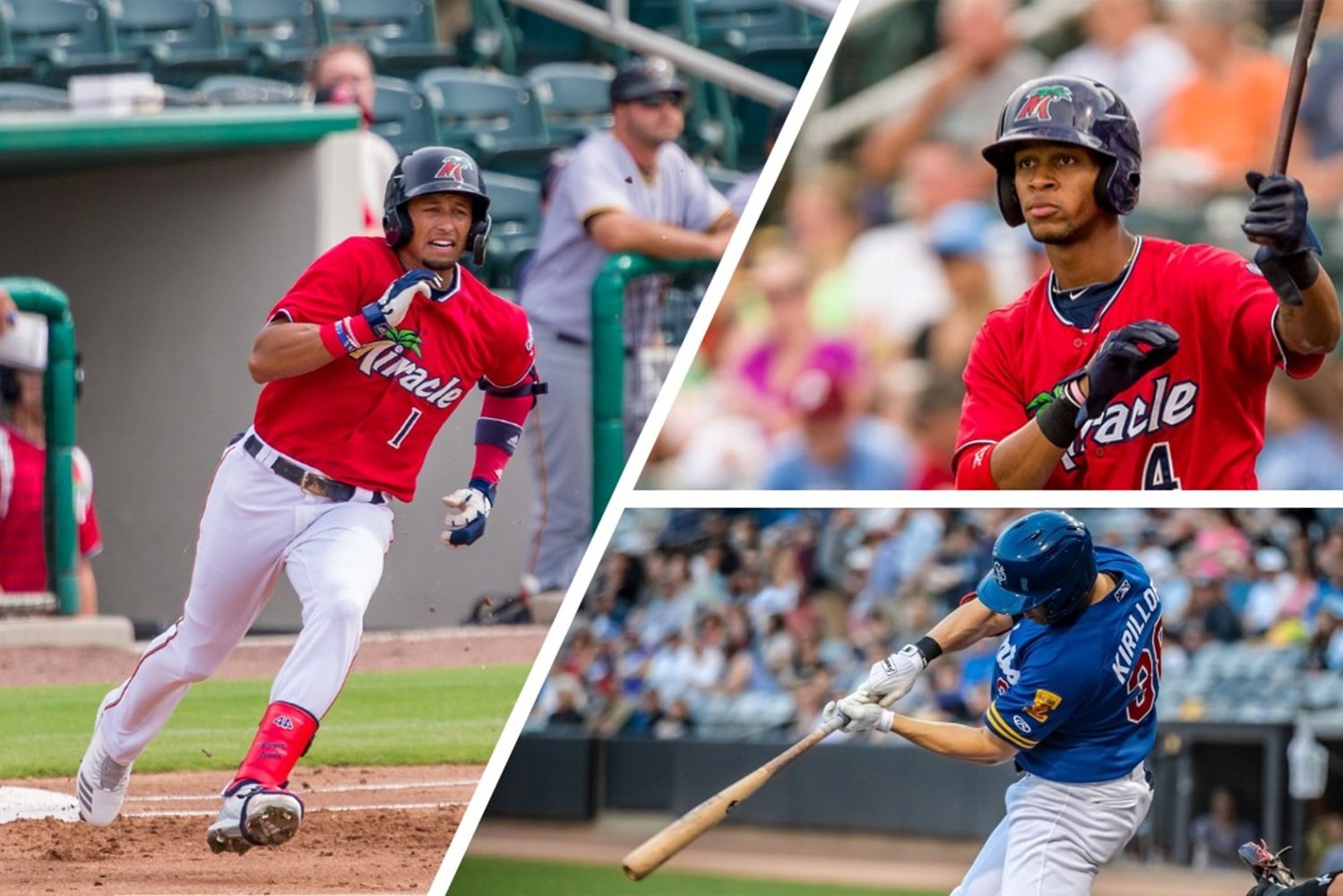
Over the last decade, the Minnesota Twins have experienced multiple waves of highly ranked prospects moving through the organization. At different points, the farm system was considered one of baseball’s best. Those rankings fostered optimism about the future and helped define the franchise’s direction during periods of rebuilding and transition.
Some of those prospects eventually became core contributors at the big-league level. Others stalled in development or never fully translated their talent to the majors. Looking back at the last 10 years shows how each wave shaped the roster in different ways, and how prospect rankings tell only part of the story.
2015-2016 Wave
The Twins entered the 2015 season with one of the strongest farm systems in baseball, ranked third overall by MLB Pipeline. That group stayed near the top of the rankings for multiple evaluations, sitting at fifth during the 2015 midseason update and again entering the 2016 season.
Minnesota had spent the previous half-decade near the bottom of the AL standings, which gave the organization access to multiple high draft picks. Those selections created a prospect pipeline filled with high-end talent and national attention.
At the top of the list was Byron Buxton, who entered 2015 as the number one overall prospect in baseball. His presence alone helped elevate the system’s national profile. The Twins also had several other prospects ranked inside the top-100. Miguel Sanó was 11th overall, Alex Meyer came in at 29th, José Berríos ranked 32nd, Nick Gordon sat at 33rd, and Kohl Stewart was 36th. The organization had both high-end talent and depth across several levels of the minor leagues.
The system continued to evolve heading into 2016. Max Kepler broke out in the minors and climbed to 44th overall on the prospect rankings. Tyler Jay entered the list at 60th, while Jorge Polanco also cracked the top 100 at 97th.
When looking back, this wave is most closely tied to the Twins’ record-breaking 2019 season. That team won more than 100 games and set the major league record for home runs in a single season. Several players from that prospect class became important parts of the lineup, including Buxton, Kepler, and Polanco.
Those same players also remained important contributors when the Twins ended their two-decade playoff losing streak in 2023. While the position players from this group found success, the pitching prospects told a different story. Meyer, Stewart, and several others never developed into consistent big league starters despite the early expectations.
2018-2020 Wave
As the previous group began graduating to the major leagues, Minnesota briefly slipped out of the top ten farm system rankings. However, the organization quickly rebuilt the pipeline and returned to the back half of the top ten from 2018 through 2020. By the middle of the 2018 season, the Twins had climbed into the top five again. The system eventually settled around eighth overall throughout much of the 2019 campaign.
The centerpiece of this group was Royce Lewis, the number one overall pick in the 2017 draft. He entered the 2018 season ranked as the 20th overall prospect in baseball and quickly became one of the most exciting young players in the organization. Other names also appeared on the rankings. Fernando Romero was listed at 68th overall, with Stephen Gonsalves at 78th and Nick Gordon at 80th.
The system’s star power grew even more heading into 2019. Lewis rose to become a top-five prospect in baseball while Alex Kirilloff joined him inside the top ten. Brusdar Graterol also appeared on the list as the 68th-ranked prospect and, at that time, was still viewed as a potential starting pitcher. The Twins continued adding depth over the next year. Trevor Larnach ranked 81st entering 2020, while Jordan Balazovic appeared at 85th.
This wave helped sustain the Twins’ competitive window. Players from this group contributed to division titles in both 2020 and 2023, though the paths were different from what was originally expected.
Once again, the pitching prospects struggled to reach their projected ceilings. Romero, Gonsalves, and Balazovic never developed into reliable major league options. Graterol eventually moved to the bullpen and was traded to the Los Angeles Dodgers in the deal that brought Kenta Maeda to Minnesota.
Injuries also reshaped the outcome for some of the system’s most talented hitters. Kirilloff battled persistent health issues that ultimately forced him to retire earlier than expected. Lewis and Larnach enter the 2026 season still trying to establish themselves as long-term roster pieces.
Prospect rankings often create the impression that success at the major league level is inevitable. The Twins’ experience over the past decade shows how unpredictable that process can be.
Both waves of talent produced impact players who helped the organization win division titles and break a historic postseason drought. At the same time, several highly ranked prospects never reached their projected potential due to injuries, stalled development, or changing roles.
Even so, those highly ranked farm systems played an important role in shaping the modern Twins roster. They provided the core position players who powered the 2019 lineup and helped the team remain competitive in the years that followed.
As new prospects continue to move through the system, the next wave will aim to deliver what previous groups could not. Ins have repeatedly shown they can build highly ranked pipelines. The challenge moving forward is turning that prospect promise into long-term success at the major league level.
What stands out about the previous waves of top prospects? Leave a comment and start the discussion.
Interested in learning more about the Minnesota Twins’ top prospects? Check out our comprehensive top prospects list that includes up-to-date stats, articles and videos about every prospect, scouting reports, and more!