
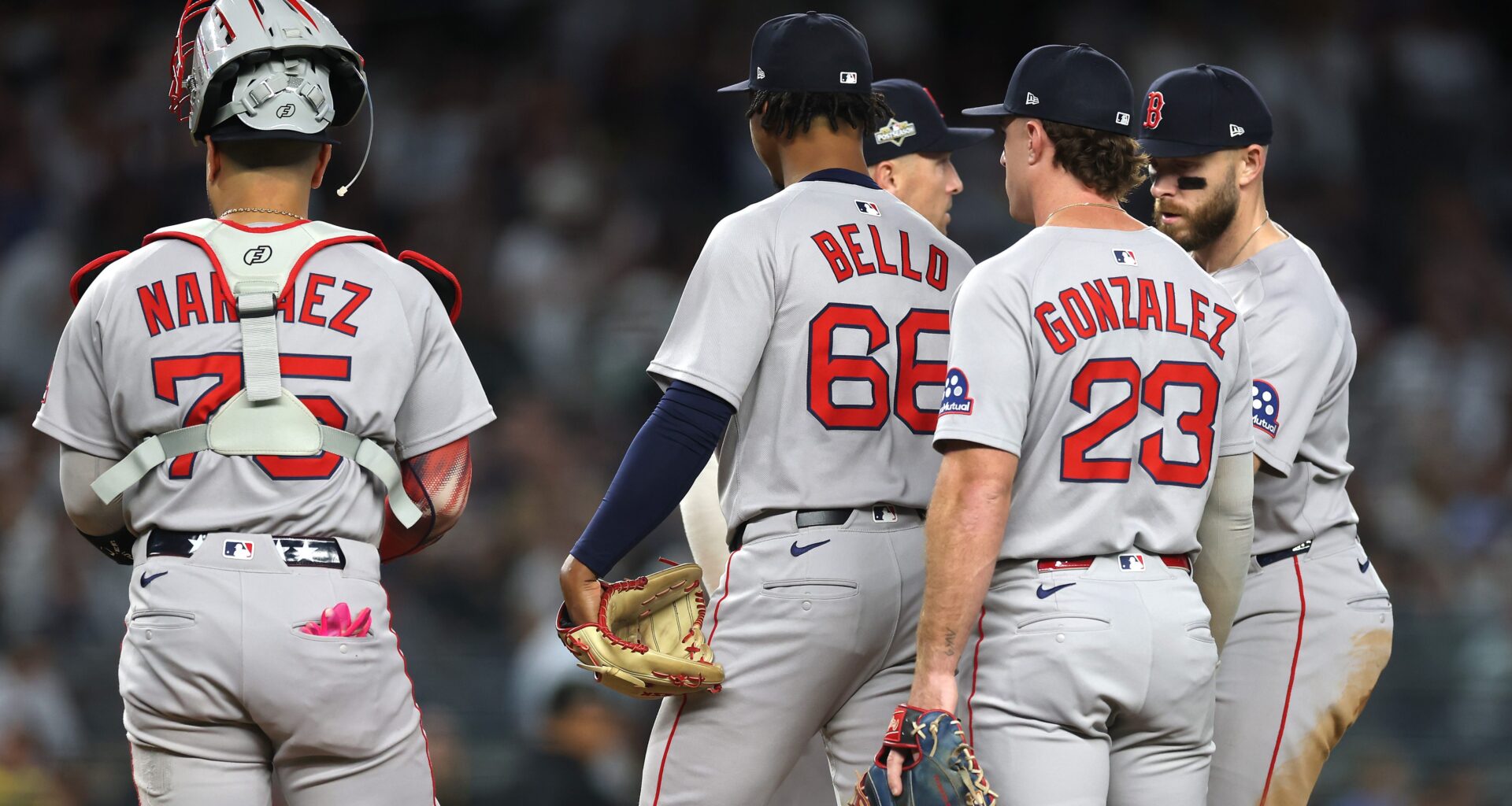
The Red Sox finalized their 26-man roster ahead of Opening Day, setting the stage for the 2026 season.
The Boston Red Sox finalized their 26-man roster on the eve of Opening Day. The move offers a clear look at how the team will open the 2026 season. The group blends veterans with emerging talent. Early injuries also played a role in several key decisions.
Boston’s roster includes a mix of established veterans and emerging talent, with several decisions shaped by early-season injuries and workload considerations.
Early Pitching Plan Begins to Take Shape
The Red Sox have not officially announced a full rotation order, but their Opening Day plan is already coming into focus.
Garrett Crochet and Sonny Gray will start the first two games at Fenway Park. Behind them, Boston may pair Brayan Bello with Ranger Suárez. The setup would help manage innings early in the season.
That approach would give the Red Sox flexibility as they navigate the opening stretch of the season.
Outfield Depth Provides Multiple Options
Boston’s outfield group includes Roman Anthony, Jarren Duran, Wilyer Abreu, and Ceddanne Rafaela. The group gives the team multiple options based on matchups and defense.
Masataka Yoshida is also on the roster. He should factor into the lineup, including time at designated hitter.
The group gives Boston flexibility on a game-to-game basis.
That level of depth also gives Boston coverage across multiple spots on the field. Injuries and matchups often force early adjustments, and the Red Sox have built a group that can shift without needing immediate roster changes. That flexibility could be especially valuable in the opening weeks.
Infield Group Adjusted by Injury Moves
The Red Sox’ infield alignment will be impacted early by injury decisions.
Triston Casas and Anthony Seigler are on the 10-day injured list. Those moves helped shape the final roster. Trevor Story, Marcelo Mayer, Caleb Durbin, and Isiah Kiner-Falefa are available to start the season.
Those absences create early opportunities for depth pieces to take on larger roles.
Bullpen Built for Flexibility
Boston’s bullpen features a mix of experienced arms and multi-inning options, including Aroldis Chapman, Garrett Whitlock, and Justin Slaten.
A flexible rotation could increase the bullpen’s workload early. That depth will be key in covering innings and handling matchups.
Depth Will Be Tested Early
Boston’s roster also reflects how quickly depth could become a factor. With multiple players already on the injured list, the team will rely on contributions beyond its projected starters in the opening weeks of the season.
That creates an early opportunity for role players to establish themselves. It also puts added importance on versatility, especially in the bullpen and outfield, where matchups may dictate usage on a daily basis.
Early-season performance often shapes longer-term roles. For the Red Sox, that process begins immediately.
What This Roster Signals
Opening Day rosters often reveal more than just personnel.
In Boston’s case, the decisions point to an early emphasis on flexibility, particularly on the pitching side, while maintaining depth across the field.
The structure allows Boston to adjust quickly as roles become clearer in the first few weeks.
The roster is set. Now the season begins.
Maggie MacKenzie Maggie MacKenzie covers NASCAR for Heavy.com. She previously worked for NASCAR.com, where she reported, wrote, and edited race-weekend coverage and traveled to key events throughout the season. She has more than ten years of experience in sports media and is based in Boston, Massachusetts. More about Maggie MacKenzie
More Heavy on Red Sox
Loading more stories