
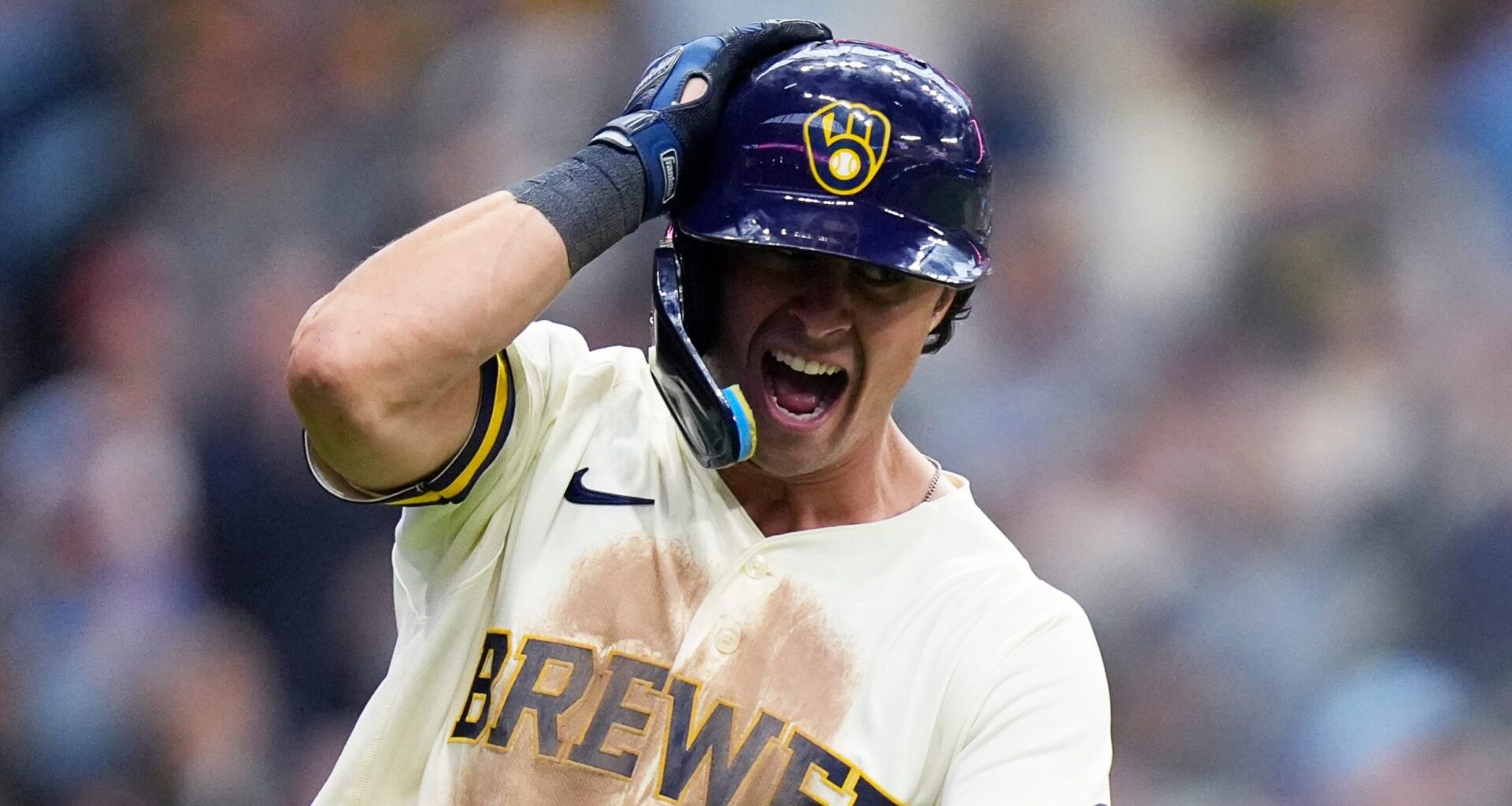
The Milwaukee Brewers are one of many MLB clubs facing the grim realities of the failing regional sports network model this season.
The Brewers were one of nine teams previously tied to FanDuel Sports Network, which is ceasing operations at the end of the current NBA and NHL seasons. The sudden shutdown of the FanDuel-branded networks, which only started to become apparent as the calendar turned from 2025 to 2026 and the network’s parent company, Main Street Sports Group, began missing media rights payments to teams, left MLB clubs with few viable options for the 2026 season.
Given the time crunch, eight of the nine teams formerly associated with FanDuel Sports Network joined MLB’s in-house media arm, the lone exception being the Atlanta Braves, who launched their own network. Everyone else, including the Brewers, ceded local rights to the league, who will handle production and distribution for local broadcasts.
However, rather than earning a rights fee, like a regional sports network would pay, the MLB in-house model operates under what could best be called an “eat what you kill” model. There is no negotiated rights fee that teams can expect to receive each month. Instead, clubs are awarded the revenue generated from distribution deals, like those struck with DirecTV or Comcast, subscriptions to their in-market streaming offering via Brewers.TV, and advertising on game broadcasts, minus the cost of production.
How substantial the lost revenue is will vary from team to team based on a variety of factors. But for the Brewers, the difference between the local revenue generated from its old FanDuel Sports Network deal and what it expects to earn under the MLB umbrella is about $20 million, owner Mark Attanasio told reporters, per Curt Hogg of the Milwaukee Journal Sentinel.
One could presume that if a popular team like the Brewers, who won 97 games and made the NLCS last season, is bracing for a $20 million hit, other teams might be taking on larger losses.
In baseball, these losses can materially impact roster construction as the league, at least for now, still does not have a salary cap nor a salary floor.
By 2028, the hope is to do away with the regional sports network model entirely. MLB commissioner Rob Manfred has been transparent about wanting to bundle the local rights of all 30 teams together to sell to a streaming platform like ESPN or Prime Video for a king’s ransom.
For now, teams will need to readjust expectations for their local broadcast revenue, and perhaps even their payrolls, until the new model can (hopefully) return that revenue stream to previous levels.