
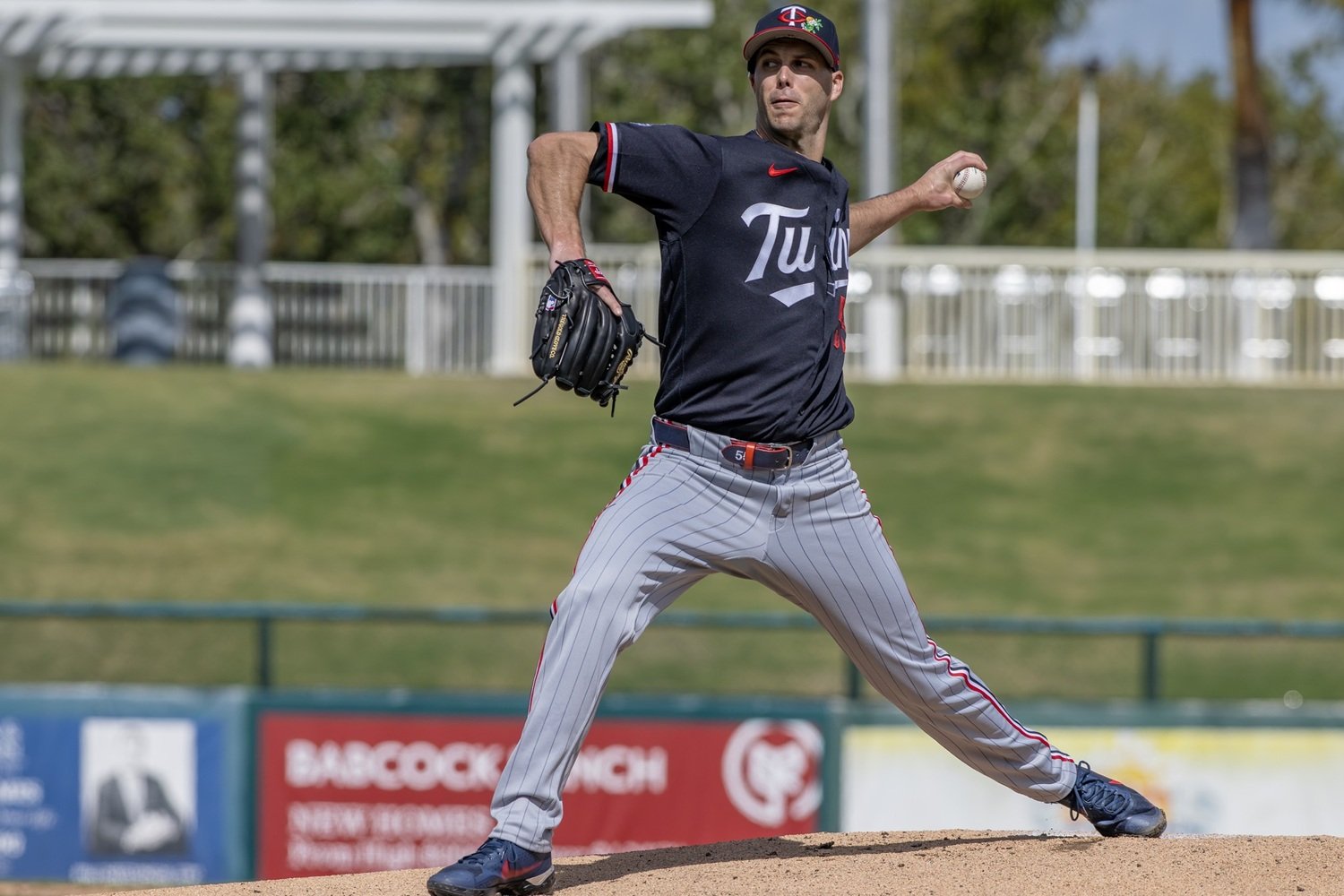
The Minnesota Twins entered the 2026 season with as many questions in the bullpen as any MLB team. That uncertainty was largely self-inflicted. At last year’s trade deadline, the front office made the bold decision to move multiple controllable arms, shipping out Jhoan Duran, Griffin Jax, and Louis Varland in deals that reshaped the roster and, in many ways, reset the relief corps.
Those moves created opportunity, but also instability. Rather than aggressively rebuilding the bullpen over the winter, Minnesota opted for a lighter touch. Taylor Rogers headlined the additions on a modest one-year deal, while Anthony Banda and Eric Orze arrived via relatively low-cost trades. Beyond that, the Twins largely bet on internal options and incremental improvement.
So when Opening Day arrived against the Baltimore Orioles, it was not just about the final score. It was about usage. It was about trust. And perhaps most importantly, it was about what manager Derek Shelton might be telling us without ever saying a word.
Trust in Kody Funderburk
If there was one moment that stood out, it came when Shelton called on Kody Funderburk to navigate the heart of Baltimore’s lineup. That is not a casual assignment, especially in a tight game on Opening Day.
Funderburk largely delivered. His ability to handle that pocket of hitters suggests that Shelton views him as more than just a matchup lefty. Even though he was tagged with the loss after allowing a leadoff single in the seventh, the context matters more than the box score. Managers do not deploy pitchers in those spots unless they believe they can handle it. It is early, but Funderburk appears firmly inside the circle of trust.
Justin Topa with Runners On
The next decision may have been even more telling. With a runner on and no outs in the seventh inning of a tie game, Shelton turned to Justin Topa.
On the surface, it makes sense. Topa’s profile as a ground ball specialist makes him an ideal candidate to escape traffic. But there is another layer here. If Shelton were viewing Topa as his primary ninth-inning option, this may not be the spot to use him.
Instead, this usage hints at a more flexible role. Topa could be the fireman, the pitcher tasked with putting out rallies before they spiral. That is a valuable role, but it is distinct from the traditional closer label.
Rogers and Sands in the Mix
Later in the game, Taylor Rogers took the mound in the eighth inning with the Twins trailing by a run, while Cole Sands was also getting loose.
That is a high-leverage pocket, even without a lead. The fact that both pitchers were involved in that moment suggests Shelton trusts them when the game is on the line. Rogers, with his veteran pedigree, feels like a natural fit for late-inning work, but Sands’ presence in that situation is just as noteworthy.
If nothing else, it signals that the Twins may not be locking themselves into rigid roles. Instead, Shelton could be leaning toward a mix-and-match approach based on game state rather than inning.
Reading Between the Lines
One game does not define a bullpen hierarchy. Roles evolve. Performance dictates opportunity. And managers adjust as the season unfolds.
But Opening Day often provides a glimpse into initial thinking, and Shelton’s decisions in Baltimore offered a few subtle clues. Funderburk is trusted against top hitters. Topa may be the preferred option when traffic is already on the bases. Rogers and Sands look like late-inning weapons in leverage spots.
What remains unclear is the ninth inning. There was no traditional save situation, and Shelton did not tip his hand in that regard. For now, that role appears open, or at least fluid. In a bullpen without an established anchor, that may be by design.
How do you envision the bullpen being used in 2026? Leave a comment and start the discussion.