
There was a time when major-league teams treated prospects like unopened Christmas presents. You didn’t lock in the value before you knew what was inside. Now, clubs are increasingly trying to shake the box, guess the contents, and sign the receipt before the wrapping paper even comes off.
Pre-debut extensions have become one of baseball’s more fascinating gambles. Teams are buying out uncertainty in exchange for long-term cost control, while players are cashing in before facing the volatility of development. It’s a risk on both sides, but one that is increasingly comfortable, as front offices try to get ahead of the market.
The New Wave of Early Bets
The Seattle Mariners recently pushed that trend to a new level by locking up top prospect Colt Emerson to an eight-year extension worth a guaranteed $95 million, with a club option for 2034. The signing comes with a full no-trade clause and includes another $35 million in escalators. There’s reportedly an $8-million signing bonus, with salaries ranging from $9 million to $18 million from 2028-33.
That is the largest guarantee ever handed to a player who has yet to appear in a major-league game, surpassing Jackson Chourio’s deal by $13 million. Emerson, just 20 years old, has only nine games of Triple-A experience, which somehow makes the deal feel even more aggressive. If Emerson becomes a star, this deal looks like a bargain by year three. If not, it becomes a very expensive lesson in optimism.
Not to be outdone, the Milwaukee Brewers are reportedly finalizing an eight-year deal worth just over $50 million with prospect Cooper Pratt, including two club options worth about $15 million per year. However, the value of those options can increase via escalators. Pratt is 21 and has barely dipped a toe into Triple-A, making this extension feel even more like a projection than a reaction.
Unlike Emerson, Pratt is not coming off a season that screams superstardom. His offensive production was modest, but the underlying traits are what sold Milwaukee. Strong plate discipline, speed on the bases, and defensive reliability at shortstop give the Brewers a foundation to dream on. This is less about what Pratt has done and more about what they believe he will become.
It’s worth noting that the Brewers have been here before with Chourio, whose pre-debut deal looked bold at the time and now looks like a masterstroke. The difference is that Chourio had already reached Triple-A and looked big league-ready. Pratt is still more idea than finished product. In fact, unlike Chourio, Scott Kingery, and several other players who signed pre-debut deals over the last two decades, neither Emerson nor Pratt will be promoted to the majors in the wake of these deals. They’re still prospects; they’ve just become very wealthy ones.
The Boras Factor
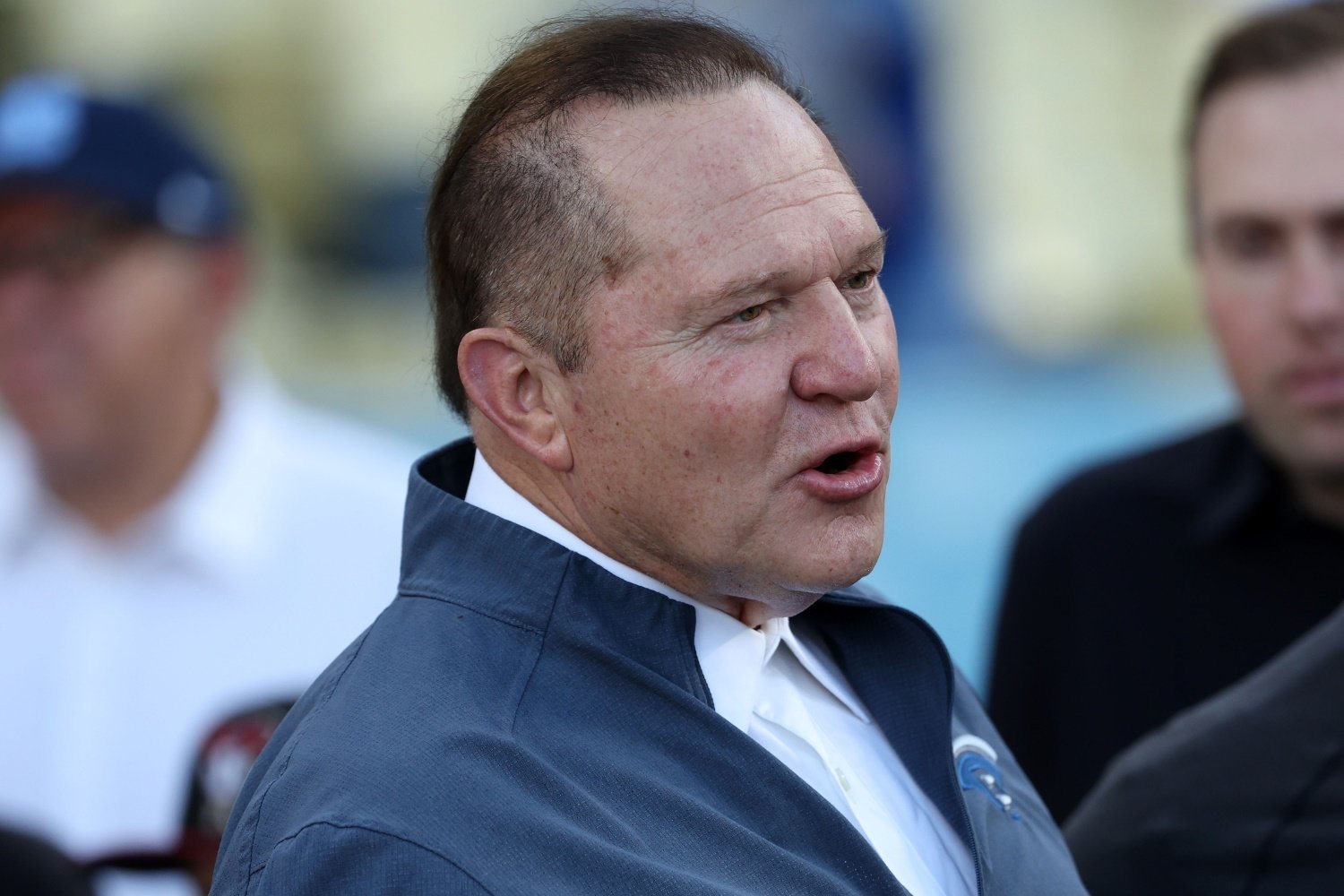
That brings us to Scott Boras, baseball’s most recognizable agent and the human embodiment of “we will take this to free agency and like it.” Boras has built his reputation on maximizing value at the open market, often steering clients away from early extensions in favor of bidding wars. While his agency has softened its stance slightly over the years, the track record remains clear. Pre-arbitration extensions for Boras clients are exceedingly rare. In fact, the deal signed by Carlos González back in 2011 remains the only notable example of a Boras client signing that early.
That context makes the Pratt negotiations particularly interesting. If finalized, it represents a shift, or at least an exception, in how Boras is willing to operate. Perhaps it reflects the game’s changing economics. Perhaps it reflects the Brewers being extremely convincing. Or perhaps it simply reflects that every rule has a price.
Could the Twins Try This With Walker Jenkins?
Let’s turn, then, to Walker Jenkins and the Minnesota Twins. Jenkins is not just another prospect in the system. He’s the kind of talent that invites bold decisions. A consensus elite prospect with the type of hit tool and overall profile that draws lofty comparisons, he is exactly the archetype teams consider for these early extensions.
If Minnesota believes in Jenkins the way Milwaukee appears to believe in Pratt, there is a path to a similar deal. Lock in cost certainty. Buy out arbitration years. Maybe even sneak in a free agent season or two. From a roster construction standpoint, it’s appealing. From a risk standpoint, it’s enormous.
The complication, of course, is Boras. Jenkins is represented by the same agent who has historically preferred to let value mature on the open market. Convincing Boras to agree to a pre-debut extension would require a deal that not only protects Jenkins, but also meaningfully rewards him for signing early. In other words, it would not come cheap, and it would not come easy.
Pratt got $1.35 million as an overslot sixth-round draft pick in 2023. Jenkins went fifth overall the same year, and got almost $7.2 million. That puts the two in very different situations, in terms of the leverage the team can exercise. The Twins will have a much harder time convincing anyone Jenkins belongs in their farm system than the Brewers have had keeping Pratt’s ascent smooth but steady, given that team’s far superior depth. Boras could and would hold the Twins’ feet to the fire in a way he couldn’t have done with the Brewers.
Pre-debut extensions are no longer outliers. They’re becoming strategic tools for teams willing to bet on their evaluations. The Mariners and Brewers have each placed sizable wagers on young talent, hoping to secure future stars at today’s prices.
For the Twins, Jenkins represents a similar opportunity, wrapped in the added complexity of Boras. The question is not just whether Minnesota believes in Jenkins. It is whether they believe enough to challenge one of the sport’s most established negotiating philosophies.
Should the Twins attempt a deal with Jenkins? Leave a comment and start the discussion.