
As baseball teams and their fans adjust to a major rule change that allows players to challenge balls or strikes, the Boston Red Sox rank near the bottom of the league for successful challenges. Major League Baseball implemented the Automated Ball Strike challenge system for the 2026 season, after previous testing during spring training and in the minor leagues. It allows only batters, pitchers and catchers to challenge an umpire’s call. Through the first six games of the season, the Red Sox had a 45.5% success rate on their challenges, according to data provided by ESPN. That ranks Boston at No. 22 out of the MLB’s 30 teams. The Baltimore Orioles have the highest success rate, at 85.7%. According to the rules, each team starts the game with two challenges. If a team wins a call, it can keep challenging. After losing two challenges, the team cannot challenge again for the rest of the game. For example, there were eight ABS challenges in Cincinnati’s 11th inning 6-5 win over Boston on Saturday, with umpire CB Bucknor behind the plate. Six of Bucknor’s calls were overturned. The Red Sox used both of their challenges by the end of the third inning, while all five of Cincinnati’s challenges were successful.All six overturned calls involved strikes being changed to balls. The two confirmed calls involved a ball and a strike.What is the ‘Robo Umpire’ technology?A Hawk-Eye pose-tracking system of cameras tracks pitches and whether they are within a strike zone based on the height of each batter, who is measured without shoes.Each player was measured for his strike zone starting at 10 a.m. to noon on a rolling basis during spring training — the time of day to maintain uniformity, because height shortens later in the day. While the strike zone actually called by big league umpires tends to be oval in shape, the ABS strike zone is a rectangle, as in the rule book.How does the Automated Ball-Strike System work?Fenway and other stadiums throughout the league are outfitted with cameras that track each pitch and judge whether it crossed home plate within the strike zone. In early testing, umpires wore earbuds and would hear “ball” or “strike,” then relay that to players and fans with traditional hand signals.The challenge system adds a wrinkle. Human umps call every pitch, but each team has the ability to challenge two calls per game. Teams that waste their challenges get one additional challenge in each extra inning. A team retains its challenge if successful, similar to the regulations for big league teams with video reviews, which were first used for home run calls in August 2008 and widely expanded to many calls for the 2014 season.Only a batter, pitcher or catcher may challenge a call, signaling with the tap of a helmet or cap; and assistance from the dugout is not allowed. A challenge must be made within 2 seconds, and the graphic of the pitch and strike zone is shown on the scoreboard and broadcast feed. The umpire then announces the updated count.Challenges during spring training last year averaged 13.8 seconds. The Associated Press contributed to this report.
BOSTON —
As baseball teams and their fans adjust to a major rule change that allows players to challenge balls or strikes, the Boston Red Sox rank near the bottom of the league for successful challenges.
Major League Baseball implemented the Automated Ball Strike challenge system for the 2026 season, after previous testing during spring training and in the minor leagues. It allows only batters, pitchers and catchers to challenge an umpire’s call.
Through the first six games of the season, the Red Sox had a 45.5% success rate on their challenges, according to data provided by ESPN. That ranks Boston at No. 22 out of the MLB’s 30 teams.
The Baltimore Orioles have the highest success rate, at 85.7%.
According to the rules, each team starts the game with two challenges. If a team wins a call, it can keep challenging. After losing two challenges, the team cannot challenge again for the rest of the game.
For example, there were eight ABS challenges in Cincinnati’s 11th inning 6-5 win over Boston on Saturday, with umpire CB Bucknor behind the plate. Six of Bucknor’s calls were overturned. The Red Sox used both of their challenges by the end of the third inning, while all five of Cincinnati’s challenges were successful.
All six overturned calls involved strikes being changed to balls. The two confirmed calls involved a ball and a strike.
What is the ‘Robo Umpire’ technology?
A Hawk-Eye pose-tracking system of cameras tracks pitches and whether they are within a strike zone based on the height of each batter, who is measured without shoes.
Each player was measured for his strike zone starting at 10 a.m. to noon on a rolling basis during spring training — the time of day to maintain uniformity, because height shortens later in the day.
While the strike zone actually called by big league umpires tends to be oval in shape, the ABS strike zone is a rectangle, as in the rule book.
How does the Automated Ball-Strike System work?
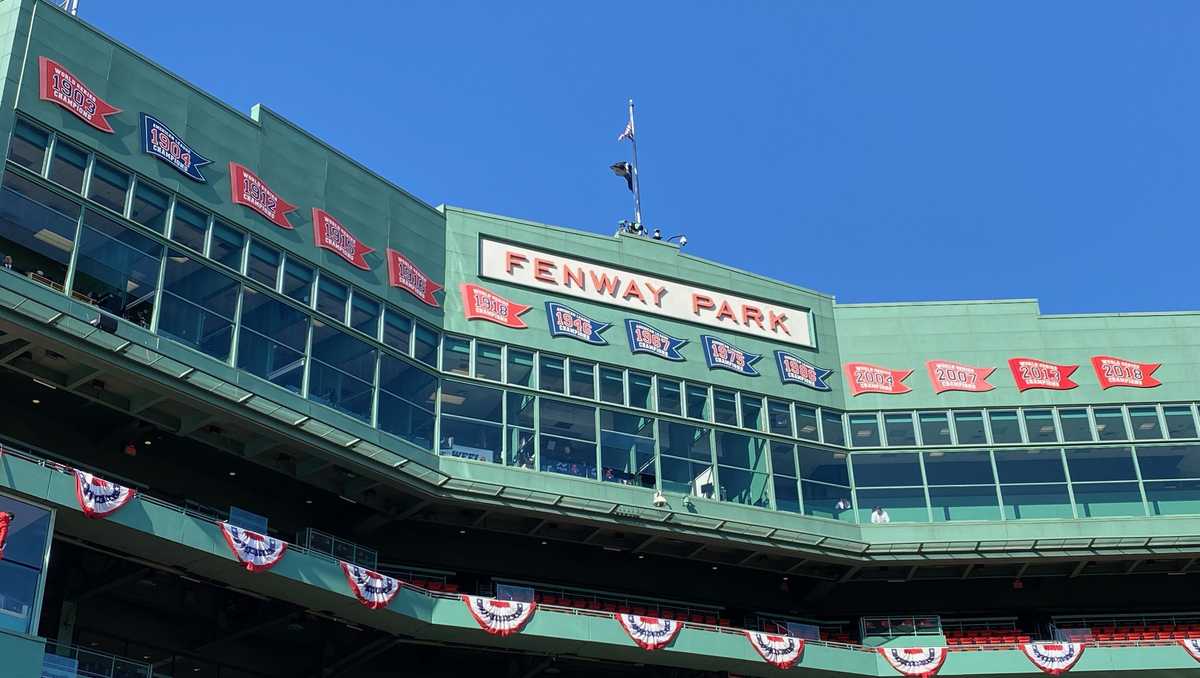
Fenway and other stadiums throughout the league are outfitted with cameras that track each pitch and judge whether it crossed home plate within the strike zone. In early testing, umpires wore earbuds and would hear “ball” or “strike,” then relay that to players and fans with traditional hand signals.
The challenge system adds a wrinkle. Human umps call every pitch, but each team has the ability to challenge two calls per game. Teams that waste their challenges get one additional challenge in each extra inning. A team retains its challenge if successful, similar to the regulations for big league teams with video reviews, which were first used for home run calls in August 2008 and widely expanded to many calls for the 2014 season.
Only a batter, pitcher or catcher may challenge a call, signaling with the tap of a helmet or cap; and assistance from the dugout is not allowed. A challenge must be made within 2 seconds, and the graphic of the pitch and strike zone is shown on the scoreboard and broadcast feed. The umpire then announces the updated count.
Challenges during spring training last year averaged 13.8 seconds.
The Associated Press contributed to this report.