

April 07, 2026
The start of the Major League Baseball season in Detroit is “about hope, and joy, and about things being better than they were the year before.” This was precisely the case for Ryan Ford. As the deputy sports editor for the Detroit Free Press and the 2021 National Sports Media Association (NSMA) Michigan Co-Sportswriter of the Year, Ford was ready to capture the essence of the Detroit Tigers’ 2024 season opener against the Chicago White Sox when his life completely changed.
During the first road game, Ford was at home watching and working. But he began to struggle.
“I found I was having problems typing, and then I fell a couple of times. My face was also drooping,” explained Ford.
His wife of seven years, Megan, who was sleeping between her nursing shifts, was present, witnessing these symptoms and immediately identified them as signs of a stroke.
Rushing to the nearest emergency room, the medical professionals began assessing Ford’s symptoms and checking the stroke protocol. While putting on a hospital gown, one of the residents noticed one of his testicles was significantly enlarged. A few days passed, and the medical professionals continued to evaluate Ford to understand why the stroke occurred, especially for a healthy individual in his 40s. Fortunately, all of Ford’s mental abilities returned to normal without any lasting effects; however, in the search for the clots, they decided to scan his testicle.
All because of a stroke, Ford discovered he had stage III testicular cancer. The biopsy indicated that one testicle needed to be removed, so they removed it just five days after his stroke.
His cancer was producing clots, which usually would have lodged in his lungs; however, medical professionals discovered what Ford called “the worst hat trick ever;” he had a condition called patent foramen ovale (PFO).
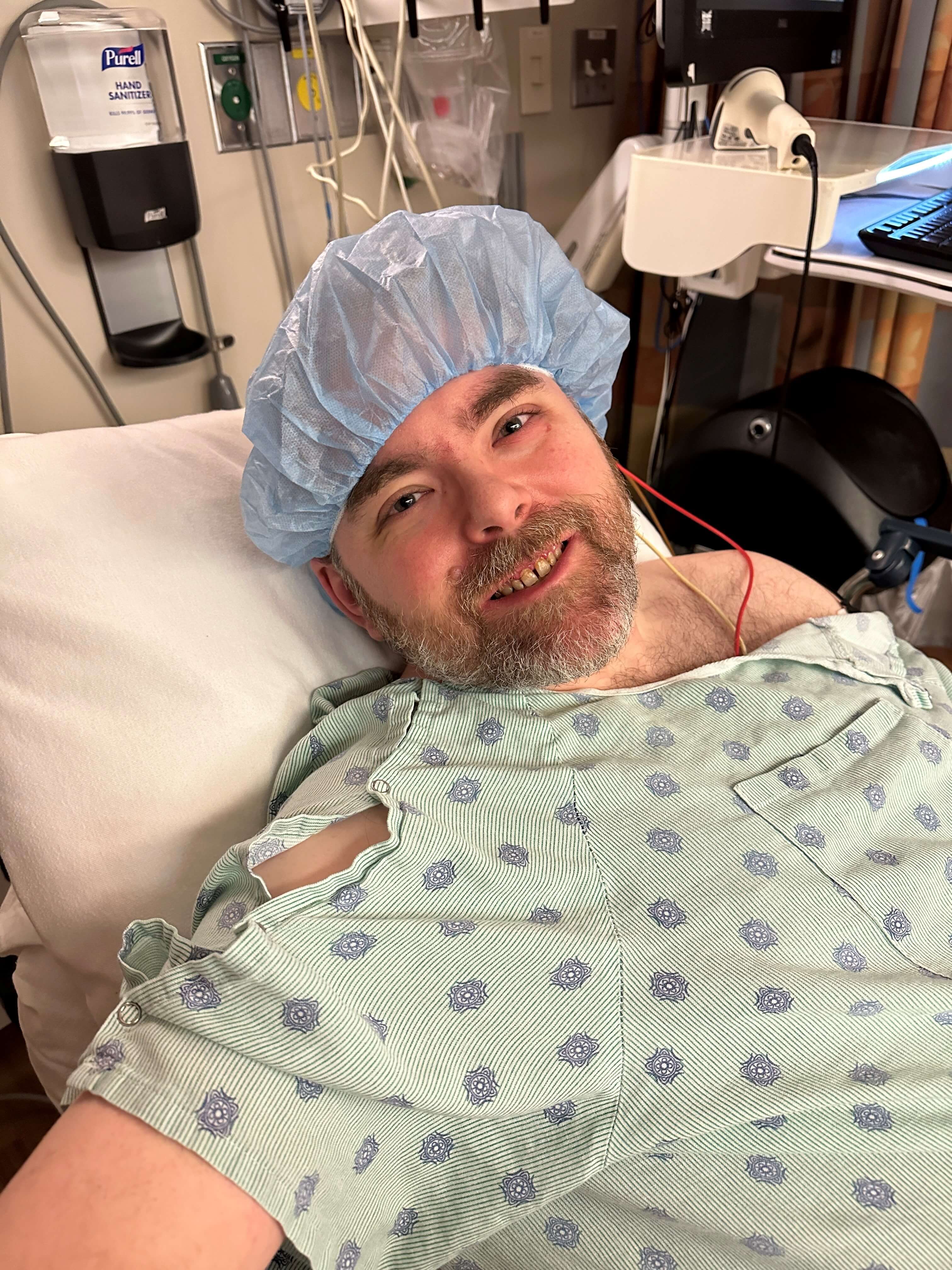
Ryan before his orchiectomy, the surgery where he had to have one testicle removed.
Affecting 1 in 4 people, often unknowingly and without symptoms, PFO is a small hole between the heart’s upper right and left chambers. This hole lets blood flow between the atria. According to the American Heart Association, PFOs are normal before birth and usually close once a newborn takes their first breath. Even for individuals whose foramen ovale flap never closes, “your body just deals with it and people can go about their lives without ever knowing, as I had,” explained Ford.
“Except, my lower half was throwing clots, and they went up through the heart and crossed over into my brain. That’s what caused the stroke.”
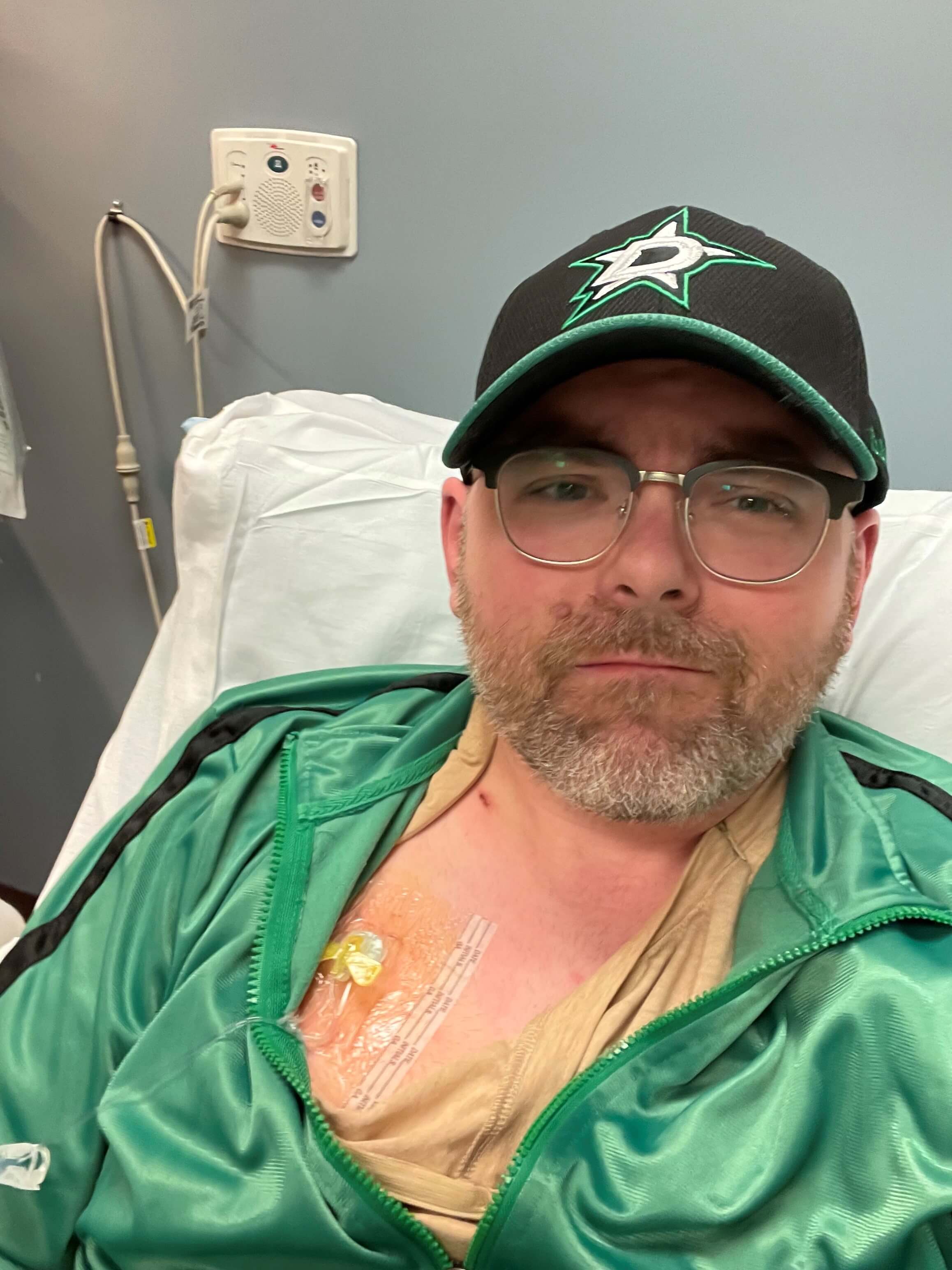
Ryan receiving chemotherapy.
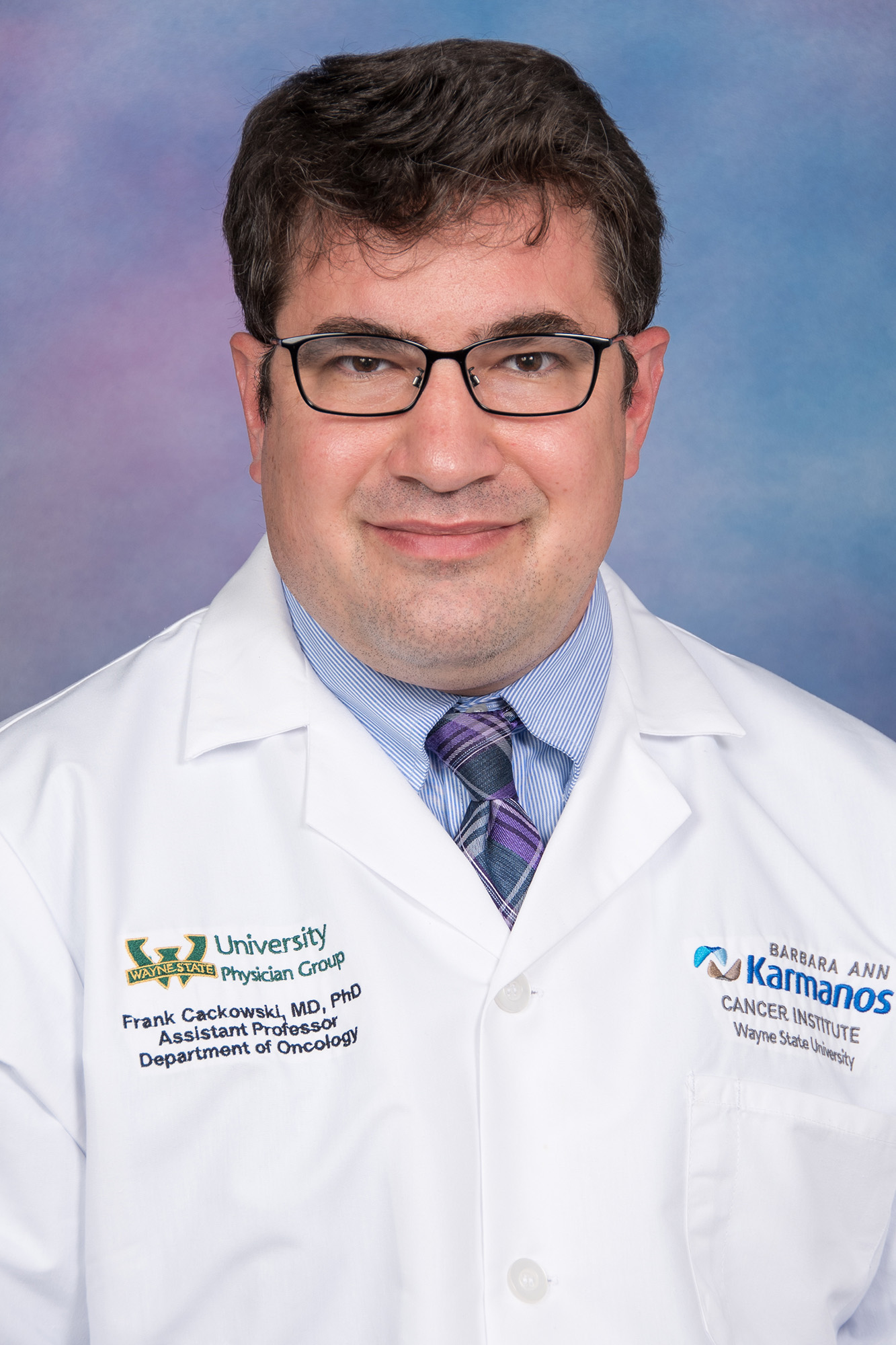
Frank Cackowski, M.D., Ph.D.
After his testicular cancer diagnosis, Ford was transferred to Karmanos Cancer Center in Detroit. Further testing indicated that Ford’s cancer had spread to one lymph node behind his abdominal organs. Under the care of Frank Cackowski, M.D., Ph.D., medical oncologist and member of the Genitourinary Oncology Multidisciplinary Team at Karmanos, Ford underwent three rounds of bleomycin, etoposide and platinum (BEP) chemotherapy. BEP chemotherapy is a combination of three drugs, commonly used for the treatment of testicular cancer that has spread outside the testicle.
“For testicular cancer, medicines are traditional chemotherapy drugs,” said Dr. Cackowski. “Testicular cancer is very sensitive to chemotherapy drugs, and we can cure this disease with these therapies – even in advanced stages. Every person diagnosed with testicular cancer has a chance of a cure.”
Though Ford could not finish watching the game the day of his stroke, the Tigers won the opener 1-0, and swept the series. Ford’s chemotherapy treatments concluded just as the Tigers were wrapping up one of their best seasons with an 86-76 record. With just eight weeks left of the Tigers’ 2024 baseball season, Ford waited to hear how his future in sports writing would look. It was any Detroit sports fan’s dream: the Tigers won a playoff series for the first time in 11 years, and Ford was there to experience it.
Since August 2024, there has been no evidence of testicular cancer in Ford’s body. He returns to Karmanos every six months for an evaluation with Dr. Cackowski, but Ford could not be more thankful for the care he received.
“I don’t think I could have gotten a better doctor than Dr. Cackowski. He did an excellent job of putting together an individual health plan for me,” praised Ford.
In addition, he noted the significant difference the infusion center staff made in his experience.
“I saw these same people almost every day at the infusion center, and they were excellent – trying to make everything as painless as possible.”
How fitting it was that Ford was receiving his treatments at Karmanos’ Wertz Infusion Center, named after a former Tigers star, Victor Wertz. He and his wife, Lucille, left a generous donation to Karmanos in their estate, which led to the naming of the Wertz Infusion Center and the Wertz Clinic.
As a 45-year-old Detroiter by choice, Ford lives in remission and has returned to writing for the Detroit Free Press, specifically covering the Detroit Tigers. Over a year since his stroke, Ford has been busy watching sports, building intricate Lego sets, and living life to the fullest with his beloved wife.
Ford’s advice to men is simple: “Don’t ignore changes in your body, even if they’re not creating a problem; you never know when they will present a problem down the road.”
He experienced this first-hand. Ford had been noticing that his testicle was enlarged, but he didn’t really think anything of it.
“I put it on my list to ask my primary care physician at my next physical because it was starting to get bigger,” he shared. “I had skipped talking about it in my two previous physicals. I also went a few years without getting a physical, which was not smart.”
Ford’s stroke happened before he was able to go to his next primary care visit.
“If I’d been a little more diligent, I think they might have caught the testicular problem earlier, and hopefully, I wouldn’t have had a stroke.”
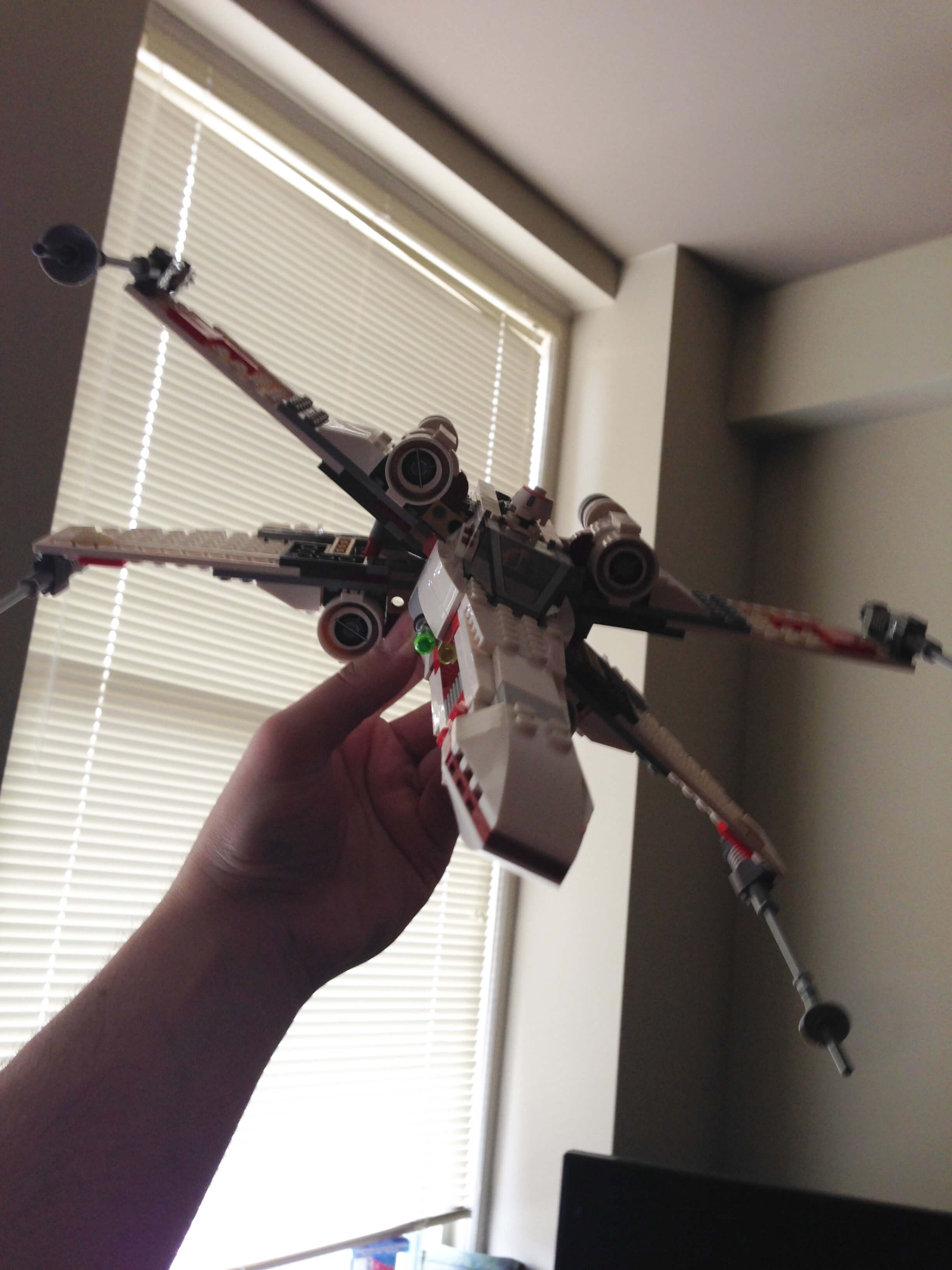
One of Ryan’s completed Lego sets.
Being one of the youngest stroke patients, while also being one of the oldest testicular cancer patients, Ford’s outlook on life has changed because of the start of the 2024 baseball season.
“The best thing that people can do is to bring anything concerning medical attention to their physician earlier on,” advised Dr. Cackowski.
Because of his testicular cancer diagnosis, Ford is seeking to be more diligent in life, which begins by taking his health seriously. His challenge is to stay current with regular screenings and intentional in annual exams.
Testicular Cancer: What is It and Who Develops It?
Testicular cancer is the growth of cancer cells in one or both testicles. Although testicular cancer is considered rare, the disease is one of the most treatable and curable forms of cancer. Men ages 20-54 are the most likely age group to develop testicular cancer. While some testicular cancer cases have no signs or symptoms, signs of this disease can often be caught during a routine exam.
“The absence of symptoms in the early stages of testicular cancer is one more reason I encourage males to get their annual wellness checks with their primary care providers. And just as important, do not hesitate to see your provider if something is abnormal,” recommended Dr. Cackowski.
Symptoms may include swelling of the testicle, a lump, a feeling of heaviness or pain in the scrotum, and aches in the lower abdomen. In rare cases, breast growth or soreness may occur. Certain testicular tumors may cause early puberty in boys.
About one in 250 males will develop testicular cancer at some point in their lives. Many men who develop testicular cancer do not have risk factors. However, the following may cause a higher risk of the disease:
An HIV infection.
An undescended testicle.
Being of a certain race or ethnicity – White men are four to five times more likely to develop testicular cancer. Americans and Europeans have the highest risk.
Learn more about testicular cancer here.
If you or a loved one has been diagnosed with testicular cancer, consulting with a specialist who has dedicated their career to researching and treating this disease is important. Call 1-800-KARMANOS or visit karmanos.org/secondopinion.