
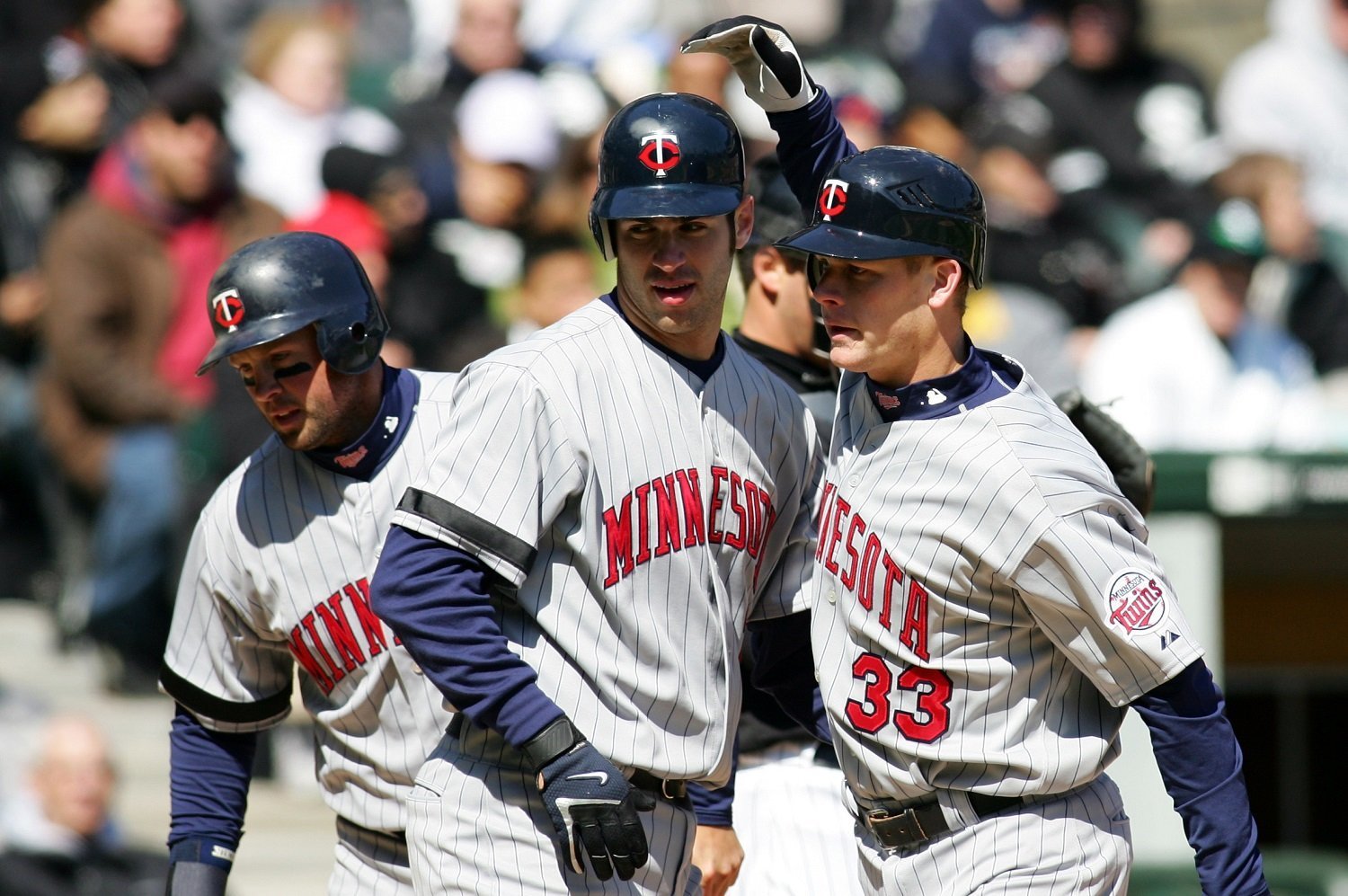
There’s something comforting about baseball records. In a sport that evolves constantly, where velocity climbs, and analytics reshape approach, certain achievements remain stubbornly out of reach. For the Minnesota Twins, a handful of offensive records feel less like milestones and more like permanent fixtures. These are not just impressive numbers. They’re snapshots of eras, skill sets, and players that may never be replicated.
Killer and Carew Still Set the Standard
It starts with two names that define Twins history. Rod Carew and Harmon Killebrew represent opposite ends of the offensive spectrum, yet both left behind records that feel nearly impossible to chase.
Carew’s .334 career batting average stands as a monument to consistency. In today’s game, where strikeouts are accepted and even expected, a hitter flirting with .300 is a star. Sustaining .334 over an entire career feels like a relic from another universe. That same precision shows up in his 239-hit season in 1977, a number that would require a perfect storm of health, lineup position, and elite contact ability to even approach.
Then there’s his flair for the dramatic. Carew swiped home 14 times in his career, a blend of instinct and fearlessness that simply is not part of the modern game. Teams just do not take that kind of risk anymore.
Killebrew’s records lean the other direction. His 475 home runs remain the gold standard for Twins power hitters, and while the long ball is more prevalent now, longevity and loyalty to one franchise make that number difficult to reach. Add in his 1,321 walks, and you see a hitter who combined patience with power in a way that is still rare today. (Killebrew hit more homers and drew more walks than that during his two-decade tenure with the franchise, of course, but we’re focused only on what he did after the Washington Senators moved to Minnesota and became the Twins.)
Knoblauch’s Complicated Legacy and Lasting Records
Chuck Knoblauch may not be celebrated the same way within the organization today, but his impact on the basepaths remains undeniable. His 62 stolen bases in 1997 and 276 career steals with the Twins stand out even more in an era where running has taken a back seat.
Yes, recent rule changes have sought to revive the stolen base, but the combination of opportunity, durability, and green light that Knoblauch enjoyed remains difficult to replicate. Players rotate more, get more rest, and often prioritize efficiency over volume. That makes these totals feel safer than ever. It’s easier to root for this record to fall, though, because Knoblauch’s domestic violence offenses make him an unhappy blemish on the happy memory of the 1991 Twins.
The M and M Boys Leave Their Mark
The next group of records comes from a more modern era, but they may be just as secure. Justin Morneau put together a stretch of durability that feels increasingly rare, playing in 319 consecutive games between 2007 and 2009. In a time when load management and injury prevention dominate decision-making, that kind of streak is unlikely to be encouraged, let alone achieved.
Behind the plate, Joe Mauer redefined what offense could look like from a catcher. His 921 games caught are a testament to both skill and resilience at one of the game’s most demanding positions. Even more untouchable might be his three batting titles as a catcher. The physical toll of the position makes it hard enough to hit for average, let alone lead the league multiple times, and the way the Twins deploy catchers now, a player would have to be their backstop for over a decade to catch Mauer.
The Truly Random but Truly Safe
Some records are not built on superstardom, but instead on incredibly specific and unlikely circumstances. Brian Harper holds the team record for fewest strikeouts in a season (min. 385 at-bats), as he struck out just 16 times in 1989. In today’s game, where even elite hitters rack up strikeouts, that number feels almost absurd.
Then there’s Jose Miranda and his 12 consecutive hits in 2024, an MLB record. Hitting is already the hardest thing to do in sports. Stringing together 12 straight hits borders on impossible, even in an era with favorable hitting conditions.
What makes these records feel unbreakable is not just the numbers themselves. It’s the context around them. The game has changed. Approaches have shifted. Roles have evolved. What was once normal is now extraordinary.
Carew’s contact, Killebrew’s patience and power, Mauer’s excellence behind the plate, and even Harper’s ability to simply avoid swinging and missing all reflect styles that are either fading or gone entirely. That is what keeps these records safe. It is not just that players are not good enough to break them. It’s that the game no longer asks them to try.
What other hitting records are unbreakable for the Twins? Leave a comment and start the discussion.
Are you interested in Twins history? Then check out the Minnesota Twins Players Project, a community-driven project to discover and collect great information on every player to wear a Twins uniform!