
Fenway is The Shrine, and Toboni’s ascent in Boston was swift and methodical. Within a year he was an area scout, traveling through Texas and Louisiana, learning how to evaluate raw talent and read potential before the rest of the metrics could catch up. His responsibilities grew quickly: an assistant director of amateur scouting, director of amateur scouting, vice president of scouting and player development, and ultimately senior vice president and assistant general manager by 2023.
“We want to build something that becomes the envy of sport,” Toboni says now, articulating what he sees as the foundation for the Nationals’ future, a vision that transcends the box score. For Toboni, baseball operations is not just about assembling a 26‑man roster; it’s about building an ecosystem where talent is identified, cultivated and allowed to flourish.
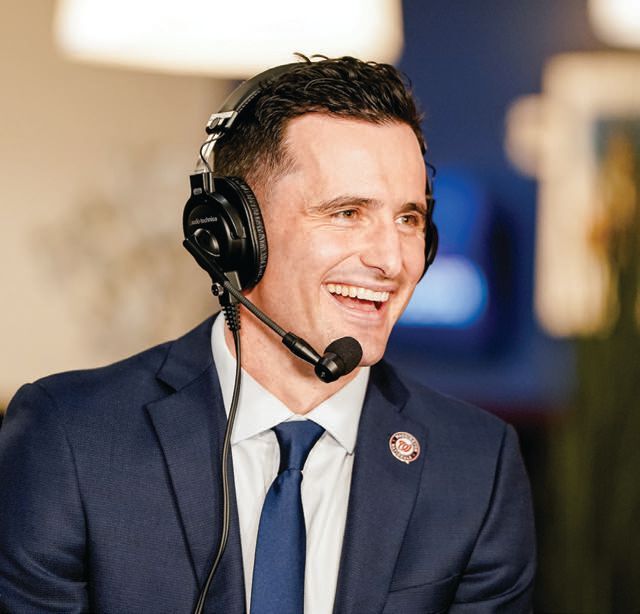
Paul Toboni has a tall task ahead of him in rebuilding the Nationals, but he wants to build an organization that is the envy of the sport.
Behind that mission is a deeply considered philosophy of leadership. Toboni doesn’t believe in the old model of distant commanders barking orders from an ivory tower. Instead, he describes leadership environments where support and challenge coexist.
“The best leaders operate in environments that I call high support, high challenge,” he explains. “Players get the most out of their talents when they feel the coach really supports them but also challenges the heck out of them.” He’s careful to note that support without challenge is empty—and challenge without support is disempowering. Change happens where those two forces intersect.
To Toboni, leadership showcases three core functions. “The best leaders architect the vision, bridge across people, and then catalyze others to go beyond their formal boundaries.” That philosophy has informed his work at every level, from drafting and developing young prospects in Boston to reorganizing the Nationals’ front office structure this winter.
He asks a simple set of questions of the people around him: “Are they able to shape and reinforce a culture and the structure necessary to perform? Are they able to bridge across parties and help folks become the best versions of themselves? Are they able to catalyze people and push them beyond their boundaries?”
When the Nationals hired him in late 2025—part of a sweeping front office overhaul after years of middling results and consecutive losing seasons—it wasn’t just his résumé that impressed. It was his cultural blueprint. Washington doesn’t merely want to compete; it wants to cultivate a place where players and staff say, “We found something special here.”
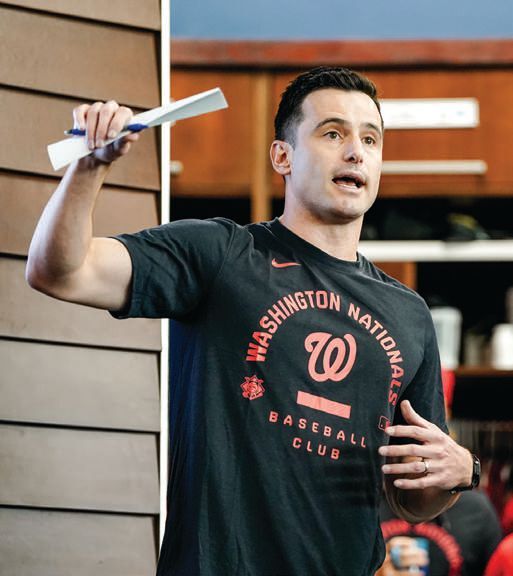
Toboni grew up in the Bay Area and interned for the A’s before landing in Boston with the Red Sox.
“My hope is that when someone comes into our organization, they feel that the group is incredibly aligned, incredibly selfless, incredibly honest, incredibly disciplined.” Those aren’t just buzzwords for Toboni. They’re the bedrock conditions for sustainable success.
And yet, for all the big‑picture thinking, he never loses sight of joy. “Joy is central to who we’re going to be,” he says. In Toboni’s worldview, joy and discipline are not opposites; they’re partners. When a clubhouse feels supported, connected and aligned in purpose, happiness isn’t a distraction. It’s fuel.
For Toboni, success isn’t defined by a scoreboard in April or October. “One is setting the culture defined by a relentless pursuit of excellence. The second piece is being strengthened by our connection. Joy is central to who we’re going to be. If we do those things, the score will take care of itself,” he says. In framing success this way, he’s shifting expectations away from short‑term results and toward structural growth, a patient approach that resonates with players and staff alike.
Pulling together a franchise deeply mired in rebuilding phases (yes, this is part two) won’t be easy, but Toboni sees the challenge as a rare privilege. “Let’s actually put the wins and losses aside,” he says. In his view, the less glamorous work—building systems, instilling values, crafting processes—is far more important than any single season’s win total. “The less sexy, far more important piece is whether the people and systems are in place to actually realize that vision.”
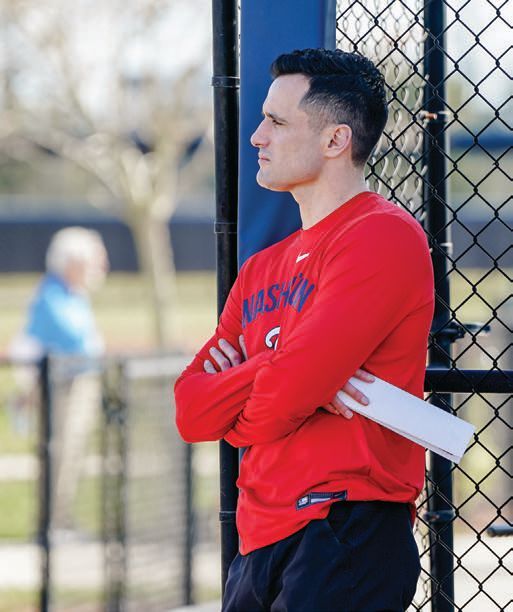
Toboni believes that success isn’t defined by a scoreboard in April or October, but by establishing a culture defined by a relentless pursuit of excellence.
His own journey, from college infielder sidelined by injury, to MBA student cold‑emailing general managers, to scout, to front office leader, is a testament to that philosophy. At each step, he leaned into discomfort, challenged conventions, and built connections across people and ideas. In a sport that often prizes specialization over versatility, Toboni’s broad exposure has become an asset: a player’s mindset blended with an economist’s analytical lens and a coach’s intuition for human relationships.
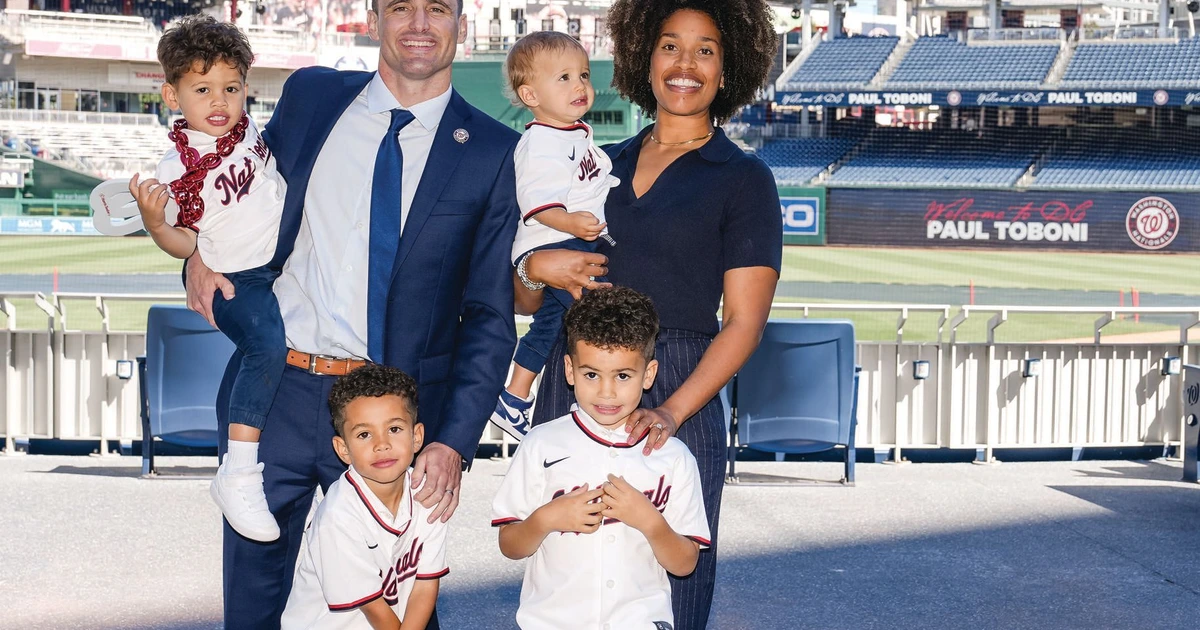
Off the field, he’s a father of four boys, steeped in the chaos and unexpected lessons of a young family. It’s a perspective that keeps him grounded amid the high stakes of professional baseball. “Really enjoy this now, because it’s not going to be here forever,” he says. That’s a reminder he offers not just to himself but to everyone around him: Despite the pressure and intensity of the job, the present moment is fleeting, and joy should not be an afterthought.
In a sport long defined by its traditions and hierarchies, Toboni is forging a new blueprint. It’s one where culture is intentional, leadership is multidimensional and connection matters as much as competition. And while he acknowledges that this chapter in Washington is just beginning, his conviction is clear: If you get the people and the process right, the future will take care of itself. And that futue, one hopes, will offer endless joy for fans.