

When the 2026 MLB season opened, the New York Mets, Boston Red Sox, and Philadelphia Phillies all had realistic postseason expectations. Each franchise had either spent aggressively, built around star talent, or believed its competitive window was wide open.
Instead, as of April 27, 2026, all three clubs have disappointed. Whether it’s inconsistent pitching, slumping stars, injuries, bullpen collapses, or roster imbalance, these teams have dug themselves early holes in the standings.
The big question now: Which of these underperforming contenders is most likely to turn things around and make the playoffs?
Let’s break it down.

New York Mets: Big Expectations, Familiar Problems
The Mets entered 2026 believing they had enough star power to compete in the National League. But the start has been rough, and the issues look frustratingly familiar.
What Has Gone Wrong?
1. Rotation Instability
The Mets have dealt with uneven starting pitching. Injuries and inconsistent outings have forced the bullpen to cover too many innings. That becomes unsustainable over six months.
2. Underperforming Lineup Pieces
While some stars have produced, the lineup has lacked consistency from top to bottom. Too many nights rely on one or two hitters rather than a dangerous collective attack.
3. Bullpen Wear and Tear
Because starters have struggled to go deep, relievers have been exposed early and often. Even talented bullpens crack when overused.
4. Pressure and Noise
The Mets never operate quietly. Every losing streak becomes a headline. That pressure can magnify slumps and managerial questions quickly.
Why They Can Recover
The Mets still have legitimate offensive talent and enough payroll flexibility to seek midseason help. If the rotation stabilizes, they can get hot quickly.
Why It’s Risky
The NL is deep. Falling behind multiple contenders in April and May can become difficult to overcome.
Boston Red Sox: Talent Exists, But Balance Is Missing
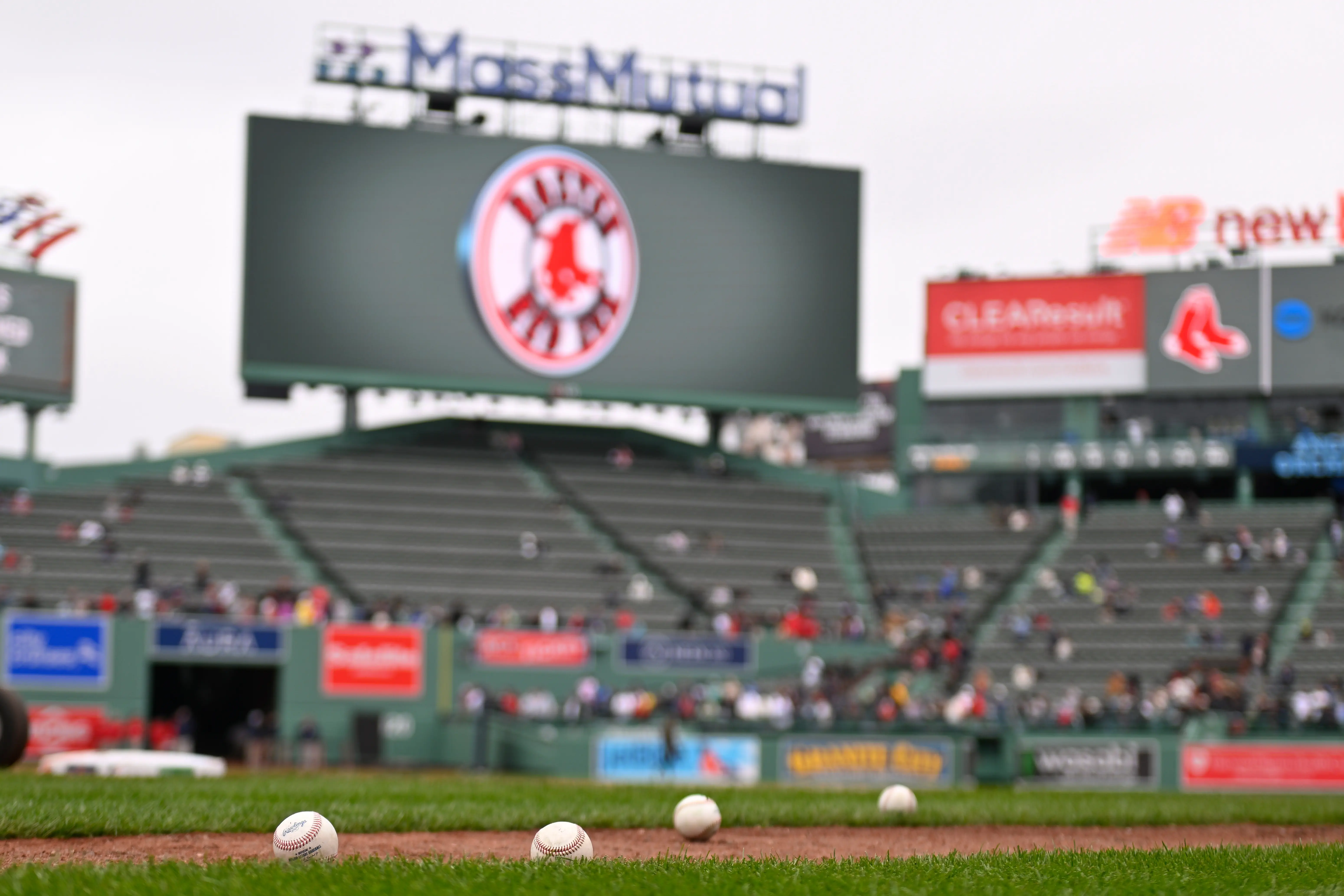 Apr 4, 2026; Foxborough, Massachusetts, USA; Baseballs sit on the infield during batting practice before a game between the Boston Red Sox and the San Diego Padres at Fenway Park. Mandatory Credit: Eric Canha-Imagn Images
Boston came into 2026 believing its young core and improving roster could return to October baseball. Instead, inconsistency has defined the opening month.
What Has Gone Wrong?
1. Starting Pitching Questions
One of the biggest stories in Boston’s rough start has been early coaching staff firings, signaling organizational frustration. When changes happen before May, it usually reflects deeper concern about preparation, performance, or clubhouse urgency. Boston’s rotation has talent, but not enough dependable innings. Too many starts have become five-and-dive outings, exposing the bullpen.
2. Defensive Inconsistency
The Red Sox have athletic players, but defensive lapses can extend innings and hurt pitchers. In a tight AL race, free outs matter.
3. Young Players Still Developing
Boston’s future remains bright, but relying on younger players means streakiness. Some hitters look dynamic one week and lost the next.
4. AL East Difficulty
Even when Boston plays better, the division is brutal. Wins are expensive against top-tier rivals.
Why They Can Recover
Boston’s ceiling is intriguing because youth can improve rapidly. If a few breakout players emerge and the front office adds pitching, they can surge.
Why It’s Risky
They may simply be a year away. Improvement is possible, but expecting a full leap into playoff form may be aggressive.
Philadelphia Phillies: Aging Core Showing Cracks
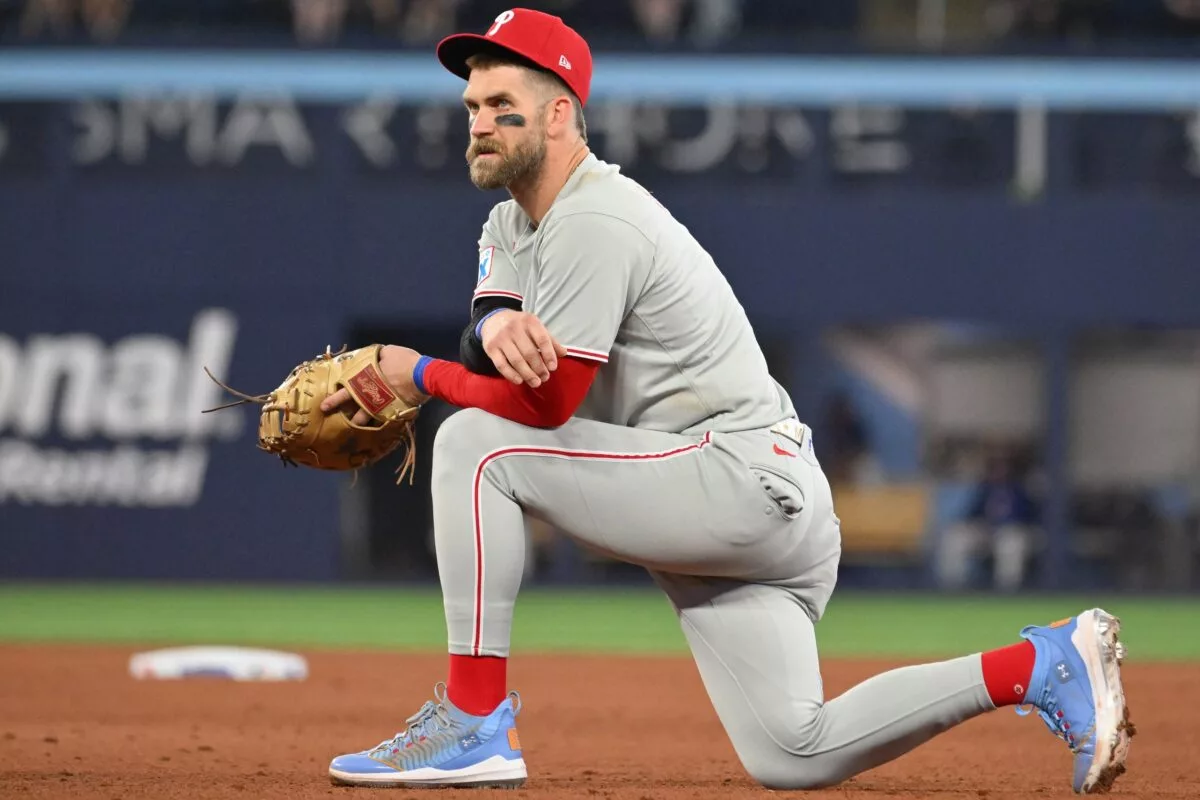 Jun 4, 2025; Toronto, Ontario, CAN; Philadelphia Phillies first baseman Bryce Harper (3) looks on during an injury delay in the ninth inning against the Toronto Blue Jays at Rogers Centre. Mandatory Credit: Dan Hamilton-Imagn Images
Of the three teams, Philadelphia may have entered 2026 with the most urgency. Their veteran core has contended for years, but windows do not stay open forever.
What Has Gone Wrong?
1. Expensive Veterans Underperforming
Several highly paid veterans have not played to their contract levels. When star salaries don’t match production, roster flexibility disappears.
2. Health Concerns
Philadelphia’s veteran-heavy roster is always vulnerable to nagging injuries. Even short absences can derail momentum.
3. Bullpen Volatility
Like many contenders, the Phillies have had late-inning issues. One blown save can flip a series.
4. Offensive Streakiness
The Phillies still have power, but the lineup can become homer-dependent. When the ball isn’t leaving the yard, runs become harder to manufacture.
Why They Can Recover
They still have proven stars, postseason experience, and enough pitching talent to string together wins.
Why It’s Risky
Age decline is real. If key veterans are slipping rather than slumping, rebound hopes become much weaker.
 May 26, 2023; Atlanta, Georgia, USA; A detailed view of a Philadelphia Phillies hat and glove on the bench against the Atlanta Braves in the seventh inning at Truist Park. Mandatory Credit: Brett Davis-USA TODAY Sports
1. Philadelphia Phillies
Philadelphia still holds the top spot. Even with an underwhelming start, they have the most proven veteran core, playoff-tested stars, and enough frontline talent to erase a slow April. If their key hitters normalize and the rotation settles in, they remain the safest rebound pick.
2. Boston Red Sox
Boston moves ahead of the Mets because they may have more upward momentum. Young teams often improve dramatically as the season progresses, and the Red Sox lineup has enough athleticism and emerging talent to get hot. If the pitching becomes merely average, Boston can absolutely enter the Wild Card race.
3. New York Mets
The Mets drop to third because their issues feel less temporary and more structural. Rotation inconsistency, bullpen strain, and lineup streakiness are harder to solve quickly. They still have talent, but compared with Boston, there is less confidence that internal improvement alone fixes the problem.
If choosing one team most likely to recover and make October baseball, it is the Philadelphia Phillies. Their veteran core, top-end talent, and experience still give them the clearest path back.
The Mets are the wild card — talented enough to storm back, chaotic enough to stay stuck.
The Red Sox feel like a dangerous team that may need one more season of growth before fully arriving.
April panic is real in baseball markets like New York, Boston, and Philadelphia. But six months is a long season — and one hot streak can rewrite everything.