

Franchise movement has always been part of MLB’s evolving story, even if fans often wish their teams would stay put forever. While the league is rich in tradition, its history also reflects changing markets, growing cities, and the constant push to expand the game’s reach. Over the decades, several teams have packed up and relocated, sometimes once and in a few cases multiple times, in search of better opportunities, larger fan bases, or more modern facilities.
Some of these moves have become iconic moments in baseball history, reshaping the sport’s geography and identity. The westward shift in the late 1950s, for example, helped transform MLB into a truly national league. Other relocations were more abrupt or less celebrated, often driven by financial struggles or stadium issues. Regardless of the reasons, each move left a lasting impact on both the cities’ teams that departed and the ones that welcomed them.
Advertisement
MORE: Former Blue Jays pitcher gets another MLB shot with Phillies
What makes franchise relocations especially fascinating is how they blend continuity with change. Even as teams adopt new cities and identities, they carry their histories, records, and legacies with them. That means a franchise’s story can span multiple regions and generations of fans.
In this listicle, we take a closer look at MLB teams that have relocated and rank them by how many times they’ve moved. Starting with teams that shifted cities just once and ending with the most well-traveled franchise in baseball, this ranking highlights the teams that have journeyed the most across the map.
Teams with 1 relocation
Los Angeles Dodgers two-way player Shohei Ohtani (17) walks off the field after the fifth inning against the Chicago Cubs at Dodger Stadium
The Dodgers made one of the most famous moves in baseball history when they left Brooklyn for Los Angeles. That 1958 relocation helped bring Major League Baseball to the West Coast. Since then, the team has built a massive legacy in LA.
Advertisement
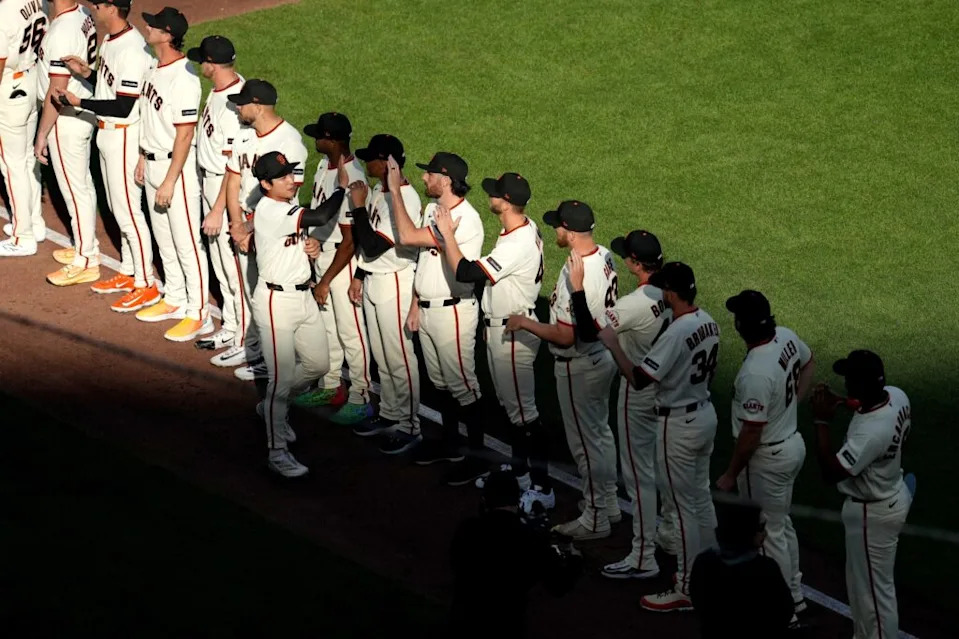
San Francisco Giants outfielder Jung Hoo Lee (51) high fives teammates before the start of the game against the New York Yankees at Oracle Park.
Originally based in New York, the Giants relocated to San Francisco in 1958 alongside the Dodgers’ westward shift. The move reshaped baseball’s geographic footprint. Today, they’re deeply tied to the Bay Area.
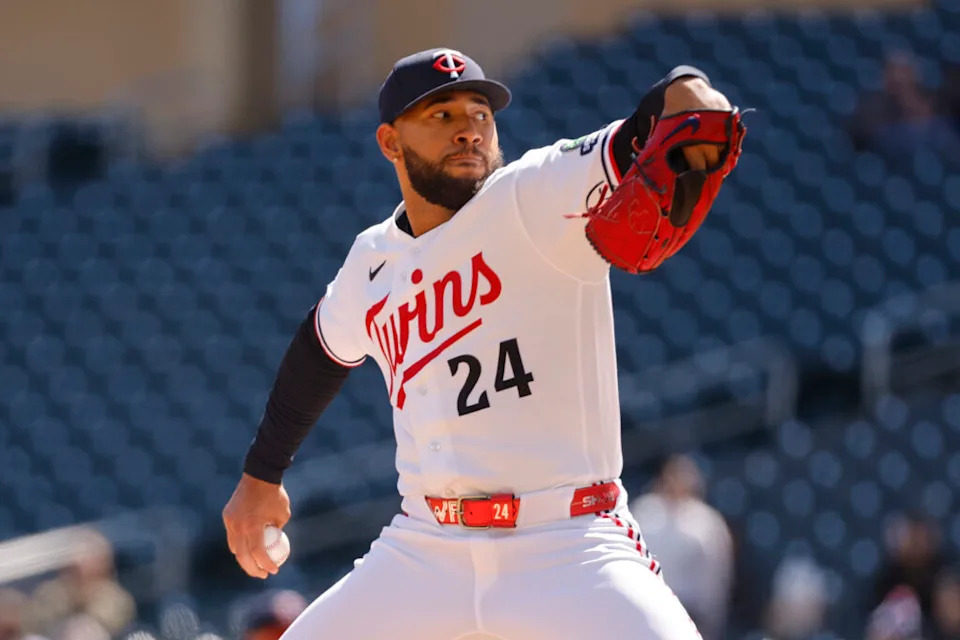
Minnesota Twins starting pitcher Simeon Woods Richardson (24) throws to the Tampa Bay Rays in the second inning at Target Field.
The Twins started as the Washington Senators before relocating to Minnesota in 1961. The move gave the state its first MLB franchise. Since then, the team has become a staple of Midwestern baseball.

Milwaukee Brewers catcher William Contreras (24) is greeted in the dugout after hitting a two run home run in the third inning against the Arizona Diamondbacks at American Family Field.
The Brewers originated as the Seattle Pilots before moving to Milwaukee after just one season. It remains one of the quickest relocations in MLB history. Milwaukee quickly embraced the team as its own.
Advertisement
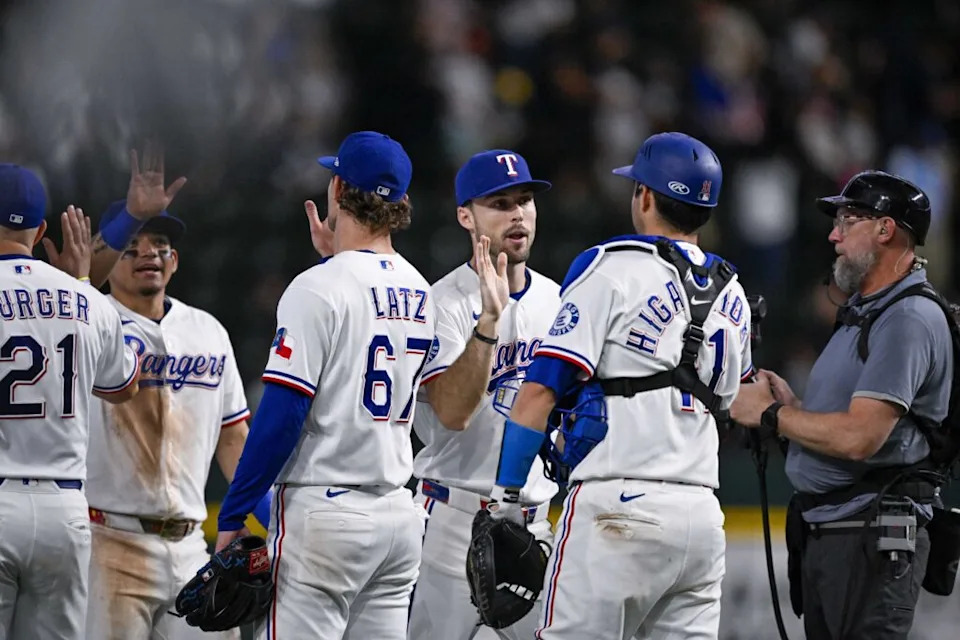
Texas Rangers first baseman Jake Burger (21) and pitcher Jacob Latz (67) and center fielder Evan Carter (32) and catcher Kyle Higashioka (11) celebrate the win over the New York Yankees at Globe Life Field.
The Rangers began as the Washington Senators before relocating to Texas in 1972. The move marked another shift away from Washington, D.C. The franchise has since grown into a major presence in Arlington.
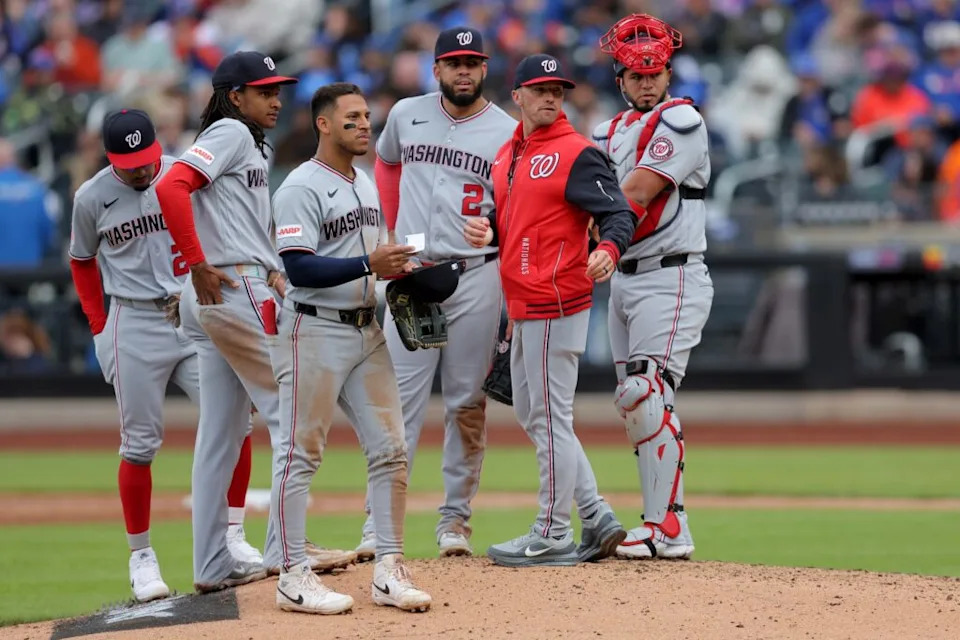
Washington Nationals manager Blake Butera (10) stands on the mound during a pitching change during the eighth inning against the New York Mets at Citi Field.
The Nationals were formerly the Montreal Expos before relocating in 2005. This move brought MLB back to Washington after decades without a team. It also ended Canada’s first MLB franchise outside Toronto.
MORE: Mets’ new acquisition is unlikely to fix their biggest problem
Teams with 2 relocations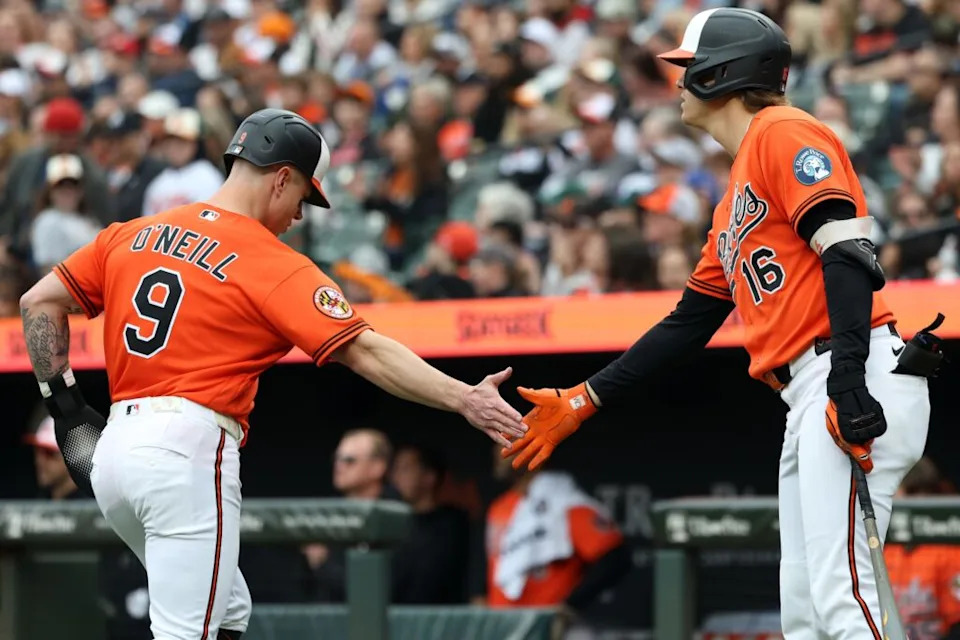
Baltimore Orioles right fielder Tyler O’Neill (9) celebrates with Baltimore Orioles first baseman Coby Mayo (16) after scoring a run during the seventh inning against the Boston Red Sox at Oriole Park at Camden Yards.
The Orioles franchise has relocated twice, starting in Milwaukee before moving to St. Louis and finally to Baltimore. Each move reflected shifting markets in early baseball history. Baltimore has been their long-term home since 1954.
Advertisement
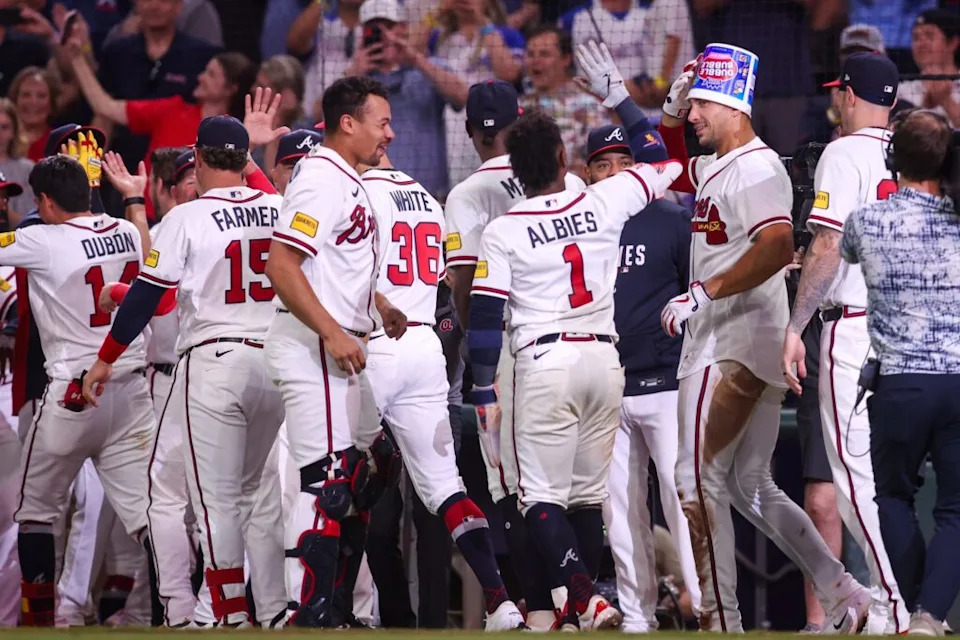
Atlanta Braves first baseman Matt Olson (28) celebrates with teammates after a walk-off two-run home run against the Detroit Tigers in the ninth inning at Truist Park.
The Braves have a rich and mobile history, beginning in Boston, then moving to Milwaukee, and finally to Atlanta. Their relocations mirror the sport’s expansion across the country. Today, they’re one of the most successful teams in the South.
Team with the most relocations
Athletics pitcher Jeffrey Springs (59) speaks with manager Mark Kotsay (7) after the third inning at Sutter Health Park.
The Athletics hold the distinction of relocating the most times in MLB history. They began in Philadelphia, then moved to Kansas City, Oakland, and are now based in Sacramento for 2025-27, and are planning to shift to their new home in Las Vegas in 2028. Few teams embody baseball’s shifting landscape quite like the A’s.
Advertisement
MORE: MLB’s new ABS system wins fans free pizza
Conclusion
At the end of the day, franchise relocations show that baseball has never been as static as it sometimes feels. Teams may change cities, but they carry their stories, records, and identities with them, connecting fans across generations and regions. Some moves sparked excitement, others left heartbreak behind, but each one played a role in shaping the league we know today. Looking at which teams moved the most adds an extra layer to that story. It’s a reminder that while teams may not always stay put, the love for the game travels with them.