
Image courtesy of © Daniel Kucin Jr.-Imagn Images
Despite a 31-27 record, the Twins are 24th in runs scored per game, 24th in OPS+, 25th in total bases, and 21st in offensive fWAR. They’re in the thick of the race, but offensively, it has not been pretty. The thing keeping the Twins’ season alive has been their pitching. They have the third-best ERA+, WHIP, FIP, and opponent’s wOBA. They boast both high-end talent like Pablo López, Joe Ryan, and Bailey Ober, a serviceable veteran in Chris Paddack, and young depth in Simeon Woods Richardson, David Festa, Zebby Matthews, and Andrew Morris—any of whom would be full-season members of the rotation in Twins’ seasons past.
Some may call it an embarrassment of riches. Connor Prielipp, Marco Raya, Cory Lewis, and C.J. Culpepper all sit in the high minors. Although they are not as MLB-ready as the aforementioned names, there are reasons to be excited about each of them, as well.
Before you go and get all excited, I have to say (by law) that there is no such thing as a pitching prospect (TINSTAAPP). They get hurt; their stuff doesn’t play in the big leagues; their lack of control gets exploited; they don’t have enough quality pitches. However it happens, you don’t actually have a pitcher until he sees success in the majors. Also, if I didn’t say it before, they get hurt. I mean they get hurt a lot.
I’ve been wrestling with this piece for weeks (yes, I do try to put thought into my writing, even if it might read otherwise) for that very reason. The Twins have an embarrassment of riches in their pitching depth, but that depth may be needed for injury reasons (or ineffectiveness reasons, as was seen with Woods Richardson last month). But also, that depth might not materialize as big-league talent this year, especially if a piece or two are removed via trade.
But, still, the Twins need hitting, and some of this pitching depth may be at the highest value they’ll ever have. Let’s break down the case for and against trading pitching prospects to bolster the fledgling lineup.
Let’s Get Shopping
The Twins currently have seven different starters who have seen some level of success—or have reason to believe in them—and have started at least 10 games in the big leagues. Their top three—López, Ryan, and Ober—are locked in and pitching very well. Paddack has been good for a back-end starter, and is in no danger of losing his spot in the near future. So they have three (four, if you include Morris) guys for one spot, assuming there’s no injury.
Come next season, Paddack will be gone, but the other seven will still be around, and it’s almost inevitable that one or two pieces will be sent off somewhere. Granted, that might be cashing in on one of the more expensive veterans, but it’s not as if the room is slated to become any less crowded.
The Twins simply need hitting. They have a rotation that can make them a competitive playoff team, but they need to be able to score runs. The team is 26-3 when scoring at least four runs. They need to be able to score those four runs. But they’re in the bottom half of the league offensively at almost any position, and an upgrade at DH is very manageable. Any notable name would make a huge difference for them, but that takes prospect capital at midseason.
That prospect capital is also in a perfect spot to be spent. No one name is currently being relied on. His spot can be backfilled. Many of the potential names are unproven, which makes it easier for other teams to dream on them as future building blocks of a rotation. The most responsible thing to do may be to flip them before they prove ineffective or get injured. Shoot, Randy Dobnak and Darren McCaughan can eat some innings, if that’s what the team needs after a trade, if the depth is depleted.
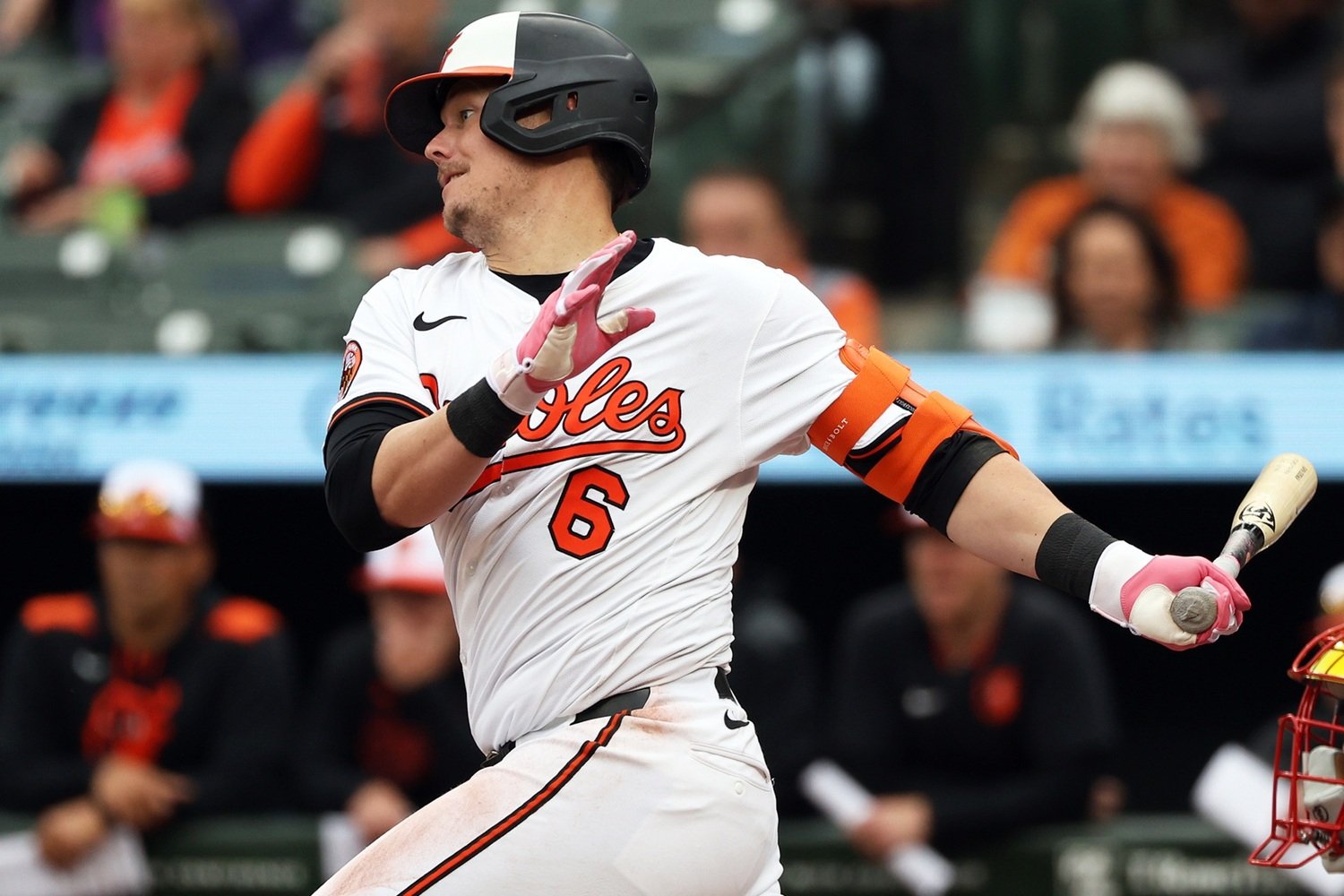
Again, this team has a lot of pitching and desperately needs some thump. It’s easy to look at a team like the Orioles (who have exciting hitters, no pitching, and are likely done competing already for the season) and put the pieces together.
Hold Your Horses, Partner
I mean, this part could just be me repeating “there’s no such thing as too much pitching” over and over again.
But it’s something that we’re watching play out right now. Woods Richardson was recently demoted for performance issues, and Matthews has been shaky thus far in his abbreviated stint—though he hasn’t been a disaster. Festa had three good starts early in the year filling in for López, but he was recently shut down with arm fatigue, though he’s back now. And although Paddack has been thriving since his April blowup against the White Sox, there’s reason to be suspicious of him having continued success or health, which may necessitate even more starts for the less experienced players.
Beyond that ever-looming threat, there’s also a philosophical issue. The Twins have only traded for one hitter mid-season during the Derek Falvey regime, and that “hitter” was third catcher Sandy León. The Twins have not valued bats at the trade deadline, potentially because a single hitter’s effect on winning and losing is a bit less defined. Pitching additions replace the weakest starter or reliever. The drop-off may not be as stark when adding a first baseman, DH, or outfielder, specifically; it’s rare that a high-end player is available (let alone at a palatable price) at the same place where you have a profound need.
Furthermore, the Twins have (justifiably) shied away from short-term players. A name like Ryan Mountcastle of the Orioles would certainly improve the lineup, but at the end of the year, he would be a free agent. Flipping a pitching prospect for an expiring contract echoes the trade that sent Nelson Cruz to Tampa for Ryan. It would be painful to watch that play out against the Twins this time.
There’s no guarantee that the Twins will continue to produce pitching prospects like they have over the past couple of seasons, either. We shouldn’t be lulled into a false sense of security in that regard. The bevy of notable top-20, high-minors pitchers the Twins have right now might not be the new rule.
Oh, also there might not be any payroll flexibility, given the ownership situation. Maybe all that money went to purchasing Kody Clemens’s contract.
So where do you sit on this one? Are you in favor of dealing from a position of strength to dig the offense out of the cellar, or would you prefer to keep those valuable pitching assets and hope internal reinforcement and regression solve the issue? Me, personally, I really don’t know.