
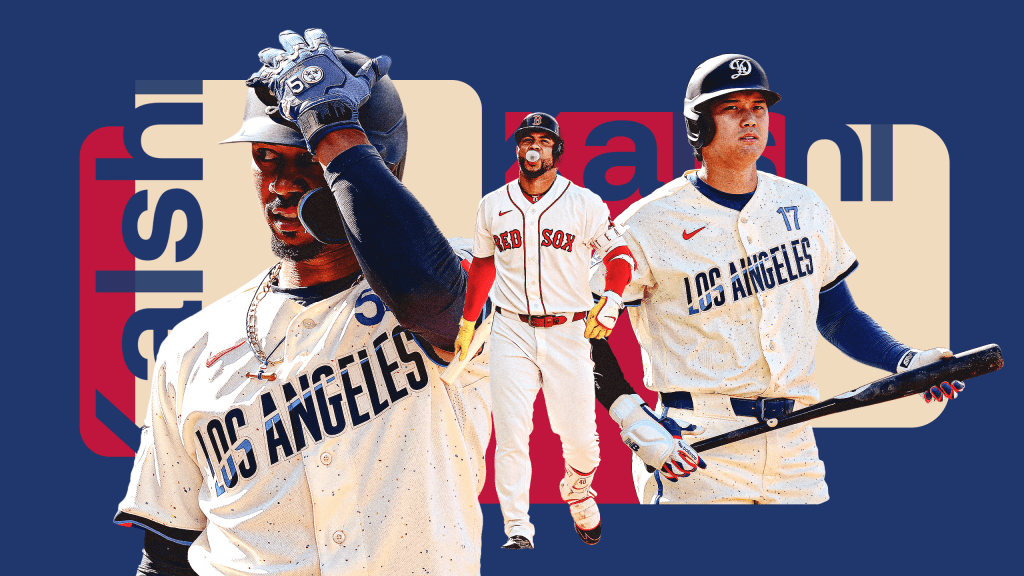
Kalshi’s new sponsorship deals with two of MLB’s three most valuable teams, the Los Angeles Dodgers and Boston Red Sox, have not yet been publicly announced in a formal capacity.
The muted rollouts come after months of professional sports organizations and investors being ridiculed on social media when they’ve made a show of unveiling their prediction market connections.
By not putting out a press release or social media post announcing their Kalshi partnerships, both MLB clubs avoided the kind of embarrassing backlash that befell the New York Mets a few weeks ago. The Mets’ July notice of a partnership with prediction market app Novig received a swarm of angry replies from fans on X. Even after the Mets deleted their original post and tried another, frustrated responses greatly outnumbered likes.
The Dodgers added Kalshi branding to their digital outfield signage rotation earlier this month and then put a Kalshi decal behind home plate Friday and Sunday. The Red Sox, meanwhile, put Kalshi’s logo in a social media graphic Friday previewing the team’s three-game series against the San Francisco Giants and sent an email to their marketing list encouraging people to place bets on the prediction market app.
The Atlanta Braves also activated a deal with Kalshi without a formal announcement around the start of August that went unnoticed by news media. Similar to the Dodgers, the Braves’ agreement includes putting Kalshi’s logo behind home plate at some home games.
Kalshi and the teams did not immediately respond to requests for comment.
There are a few reasons why prediction markets are struggling with vocal detractors.
Kalshi and fellow prediction market firms, including official MLB partner Polymarket, have numerous adversaries who speak out against the rise of federally regulated exchange betting. States and tribal groups accuse them of offering an unlicensed gambling product under the guise of being a financial asset. Some prediction market companies have received unflattering media headlines based on false premises—Kalshi doesn’t take bets directly involving war or wildfires despite substantial news coverage suggesting otherwise.
But many platforms are also hurting from their own controversial choices, such as advertising sports betting as an investment class where “everyone is an expert on something,” sponsoring social media accounts that post racist messages and contributing to the spread of false information in search of engagement. They have also formed close ties with President Donald Trump’s family and businesses.
Additionally, prediction markets are rising in prominence just as all forms of betting in the U.S. take lumps from critics.
A U.S. Supreme Court ruling in 2018 opened the door to the state-by-state legalization of traditional sportsbooks and online casinos, which had previously been limited mostly to Las Vegas and a select few other territories. Since then, the American public has dealt with years of wall-to-wall nationwide betting advertisements and a rise in highly publicized match-fixing scandals. Athletes and coaches say they’re being harassed by gamblers more than ever. Many people are fed up.
Because prediction markets seek to gamify more than just sports, also enabling wagers on previously off-limit topics in the U.S. like elections, they arguably represent an expanded frontier for betting.
Kalshi, the U.S. leader in prediction market volume, is investing heavily in changing how people view it. The company has gone from employing one recent college graduate to run its entire media relations team in November 2024 to a squad of veteran crisis communications staffers, many of whom spent time at technology giant Meta.
Last month, Kalshi employee Ryan Stanford, a former McKinsey analyst, announced the firm was hiring for yet another PR role. This position would “run our short-form comms” and “live and breathe X and get paid to do it,” Stanford wrote on X.
According to the Early Days newsletter on July 23, Kalshi is also hiring for a “head of narrative”—an “unlisted” position not visible on the company’s official job board. Stanford seemed to confirm the role’s existence on LinkedIn by resharing the Early Days post.
Sports sponsorships are part of prediction markets’ public relations turnaround mission. Embedding with the Red Sox and Dodgers, two storied sports institutions, is a logical way for Kalshi to try to gain credibility in its quest to become a normal part of American life.
After Kalshi and its new partner teams appeared to avoid initial social media blowups by skipping announcement posts for their deals, they can settle into making Kalshi a normalized part of their game day backdrop alongside other physical and digital ads.
The Dodgers do have a potential conflict with their Kalshi agreement beyond fan reception: They’re sponsored by Yuhaaviatam of San Manuel Nation-owned Yaamava’ Resort & Casino. San Manuel Nation, a partner of the Dodgers for more than a decade, is actively fighting against prediction markets, believing their availability in California violates tribal sovereignty.
“Tribes see this as an existential threat to not just the industry and the revenue that they’re building, but as an existential threat to their ability to function as governments,” Michael Hoenig, vice president and associate general counsel for gaming for Yuhaaviatam of San Manuel Nation, said at a summit for state legislatures just last month.
A representative for Yuhaaviatam of San Manuel Nation did not respond to a request for comment.
(This story has been updated with new information on the Braves having an agreement with Kalshi.)