
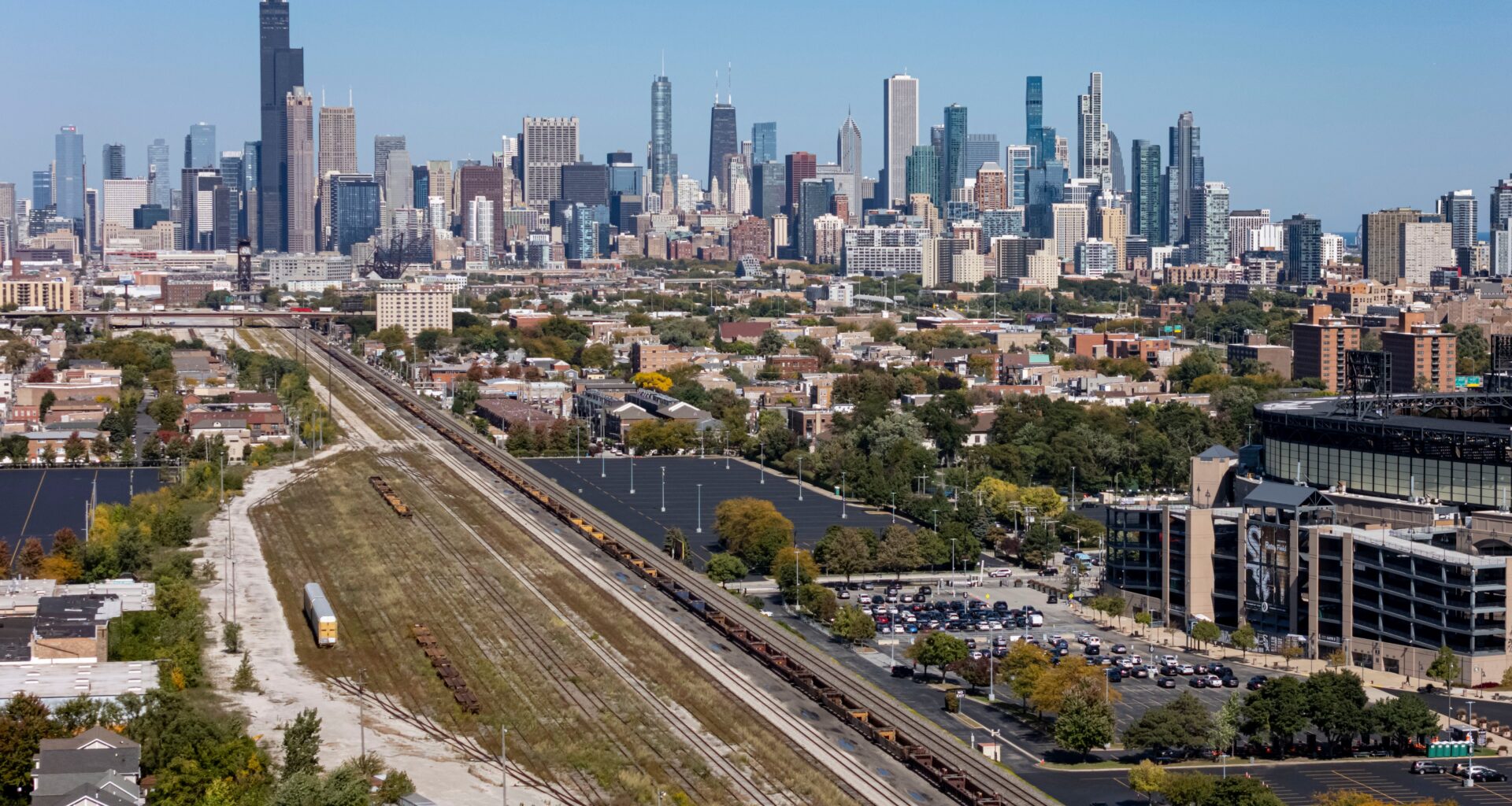
I am a lifelong Chicagoan and a 25-year White Sox season-ticket holder, which means I’ve spent a lot of time in Bridgeport. I’ve come to know and appreciate the neighborhood where residents have lived for generations, working and raising their families in the shadow of the ballpark.
Chicago leaders are now considering two major decisions that will shape Bridgeport for years to come: where the Sox will play and whether to allow the proposed siting of a new Amtrak rail yard nearby. In both decisions, the community deserves to be heard in the process.
I want Chicago to attract investment, create good jobs and build a stronger future, but that future must include the families and small businesses that have invested their lives in neighborhoods such as Bridgeport — not come at their expense.
I also support improving passenger rail, and I support the workers who deserve safe, modern facilities, but being in favor of those goals does not require accepting this particular location. I oppose moving Amtrak’s maintenance operation to the proposed Canal Street site near Bridgeport, Armour Square and Chinatown.
Instead, we should insist on an independent, transparent examination of alternative locations, including whether existing facilities can be upgraded or other suitable locations can meet Amtrak’s needs, and residents deserve to have meaningful opportunities to influence the decisions.
A community meeting is not a substitute for community participation while the important choices are still open. We should not solve one business’ problem by simply moving it from one community to another.
The same can be said for my beloved White Sox. My preference is to keep the team in its existing neighborhood and examine how private investment could improve both the ballpark and the surrounding area. Before deciding that the answer is somewhere else, ownership should seriously explore what can be accomplished in Bridgeport instead of deserting the neighborhood.
Bridgeport has stood by the White Sox in tickets purchased, family traditions passed down, small businesses built and a lifetime of loyalty. Now the White Sox need to stand by Bridgeport and by Armour Square, Chinatown, the families along Canal Street and the broader Chicago community.
In 1981, the original ownership group led by Jerry Reinsdorf purchased the team for approximately $20 million. In 2026, the franchise is valued at $1.94 billion, according to Forbes. I don’t malign that success, but the fans, the surrounding neighborhoods and the city of Chicago deserve to be recognized for contributing to it.
If the owners ultimately choose to leave for a new site, I would oppose any relocation package that involves public assistance or city approvals without a signed, funded and enforceable neighborhood investment and redevelopment agreement as negotiated with the team, the developers and the community. Any agreement must fund redevelopment of the existing ballpark property, paired with ample resident input; support affected local businesses and invest in local public infrastructure investment, such as parks, trees, lighting and other public spaces.
Ownership should not receive the benefits of a new development while leaving residents and taxpayers to figure out what happens to the property and businesses they left behind.
None of these suggestions, however, changes my position on the rail yard, and the two issues should never be pitted against each other. A stadium deal and a rail facility may move through City Hall at the same time, but a community benefits package cannot become the price residents are paid to accept a project that doesn’t belong in their neighborhood.
A rail maintenance yard brings excessive noise, and air and light pollution near homes, schools, parks and businesses at all hours of the day. These residents should not be asked to take on such a lasting burden because the proposed site looked convenient on a map.
Amtrak should find a location that works for the city as a whole, putting alternatives on the table, publishing the data and allowing residents to be truly heard before a decision is made. Community investment is an obligation, not a payment for accepting the wrong project.
The question before us as a city is not just whether a project works for a railroad or a property developer. We must also answer: Do such proposals respect the surrounding communities, including the families, workers, small business owners, schools and public spaces that make up a neighborhood?
The owners have invested in a team. These families have invested in a neighborhood. Both investments deserve respect. Chicago should not subsidize billionaire owners or impose a rail yard while residents absorb the unwanted, long-term consequences.
Go Sox.
Bill Quinlan is a lifelong Chicagoan, White Sox fan and a candidate for mayor of Chicago.
Submit a letter, of no more than 400 words, to the editor here or email letters@chicagotribune.com.