
What you prefer me to say?
The Impact of Javier Assad’s Oblique Injury on the Chicago Cubs
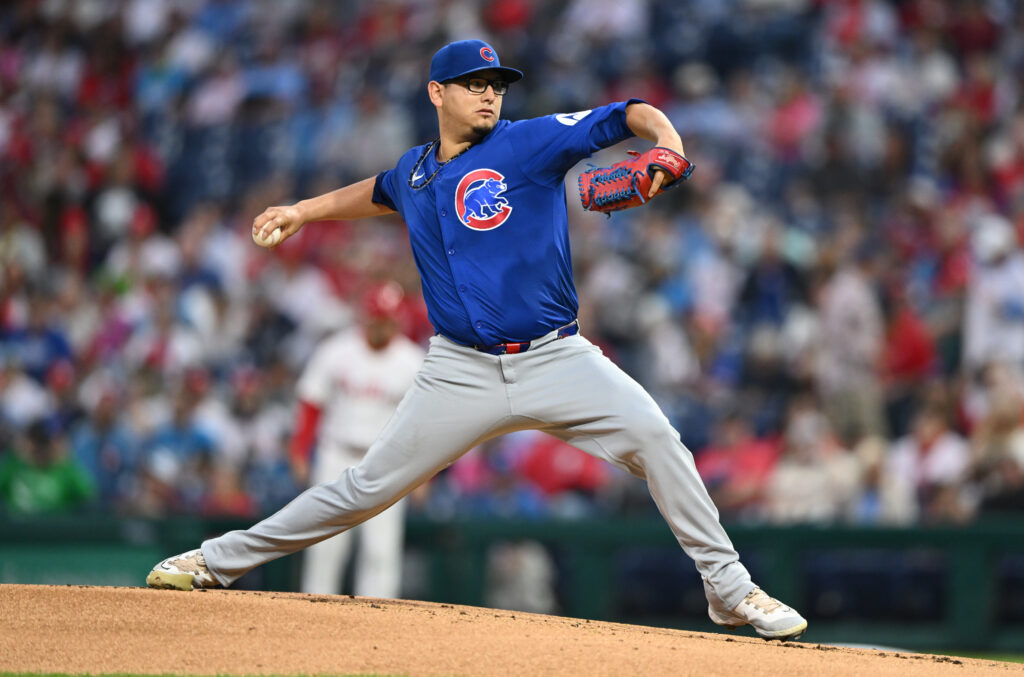
In the long grind of a Major League Baseball season, injuries are inevitable. However, some setbacks carry more weight than others. For the Chicago Cubs, the recent oblique injury to starting pitcher Javier Assad is a significant blow. Expected to miss approximately a month of action, Assad’s absence forces the Cubs into a period of adjustment at a time when early-season momentum is critical. His injury not only weakens the rotation but also creates ripple effects that extend to the bullpen, player development, team morale, and the front office’s strategy.
A Key Loss in the Rotation
Javier Assad had become a crucial piece of the Cubs’ rotation. Coming off a strong 2024 season in which he posted a 3.73 ERA across 29 starts, Assad was viewed as a reliable middle-of-the-rotation arm with the potential to continue improving. He brings poise, command, and consistency — qualities that are especially valuable during stretches when the bullpen is overworked or the offense is slumping. Losing such a stabilizing force disrupts not just the rotation order but also the pitching staff’s rhythm as a whole.
With Assad sidelined, the Cubs must look to their depth. Potential replacements like Colin Rea, Jordan Wicks, and Ben Brown are capable, but none bring the same level of polish and recent success. Rea, a veteran, has shown flashes of competence, while Wicks and Brown represent younger options who may still be refining their game. Depending on who steps in, the Cubs may see increased variability in performance, which could lead to more pressure on the offense to produce runs and more innings needed from the bullpen.
The Domino Effect on the Bullpen
Starting pitching depth isn’t the only concern. Assad’s absence can create a chain reaction that places a heavier burden on the bullpen. If the fill-in starter is unable to consistently pitch into the sixth or seventh inning, bullpen arms will be used more frequently. Over time, this can lead to fatigue, overuse, and diminished effectiveness from key relievers.
For a team hoping to contend, bullpen management is crucial. The Cubs cannot afford to overwork arms like Adbert Alzolay or Julian Merryweather, both of whom are vital in late-inning situations. In turn, this could force manager Craig Counsell to use middle relievers in high-leverage spots, which may not yield the same results. The Cubs are already navigating a competitive division, and even small shifts in bullpen reliability can turn close games into losses.
Team Morale and Mental Impact
Injuries can also affect team morale, especially when they involve players who are well-liked and contribute consistently. Assad has been regarded as a team-first player with a calm demeanor on the mound, someone who inspires confidence in teammates. His injury, therefore, is not just a tactical loss, but an emotional one as well.
When teams lose key contributors, the psychological toll can be significant. Players may begin to press, trying to make up for the absence. Young starters might feel pressure to perform beyond their experience, and offensive players might try to overcompensate, leading to poor at-bats or defensive mistakes. In a game built on rhythm and confidence, maintaining team chemistry and morale is essential during a player’s absence.
Strategic and Developmental Implications
Beyond the immediate effects, Assad’s injury raises strategic questions for the Cubs’ front office. If the replacement options struggle, the team may be forced to look outside the organization for temporary solutions — perhaps a minor trade, a waiver claim, or even fast-tracking a prospect from Triple-A. These are not ideal moves early in the season, especially when long-term development plans could be disrupted.
Furthermore, Assad’s injury complicates the club’s ability to evaluate the full potential of its starting rotation. If Assad misses four or more starts, the team may lose out on valuable data about his long-term role, contract value, and how he fits into the future core. Injuries are never well-timed, but in the early stages of a competitive window, they can be especially inconvenient.
Timing in the Schedule
The Cubs’ schedule over the next month adds another layer of complexity. Upcoming series against the Phillies, Pirates, Brewers, and Mets are all important in setting the tone for the season. These games are not just winnable — they are also against teams the Cubs may be battling in the standings come September. Missing Assad during this stretch could mean losing a competitive edge in key matchups, especially against divisional rivals like Pittsburgh and Milwaukee.
Assad was slated to face tough lineups and help neutralize some dangerous hitters. Without him, the Cubs must rely on less experienced pitchers in these matchups, which could tip the balance in close games. A few additional losses in this stretch could have long-term consequences in the playoff race.
A Test of Depth and Resilience
Ultimately, the Cubs’ response to Assad’s injury will serve as an early-season test of their depth, coaching, and mental toughness. Championship-caliber teams find ways to adapt to adversity. Whether it’s by stepping up offensively, patching innings together creatively, or relying on unsung heroes from the farm system, successful teams survive injuries like these without derailing their season.
If the Cubs can tread water during Assad’s absence and bring him back healthy in a month, the injury might be seen as a minor speed bump. But if they stumble and lose ground in the standings, this short-term injury could have lasting effects on their playoff hopes.