
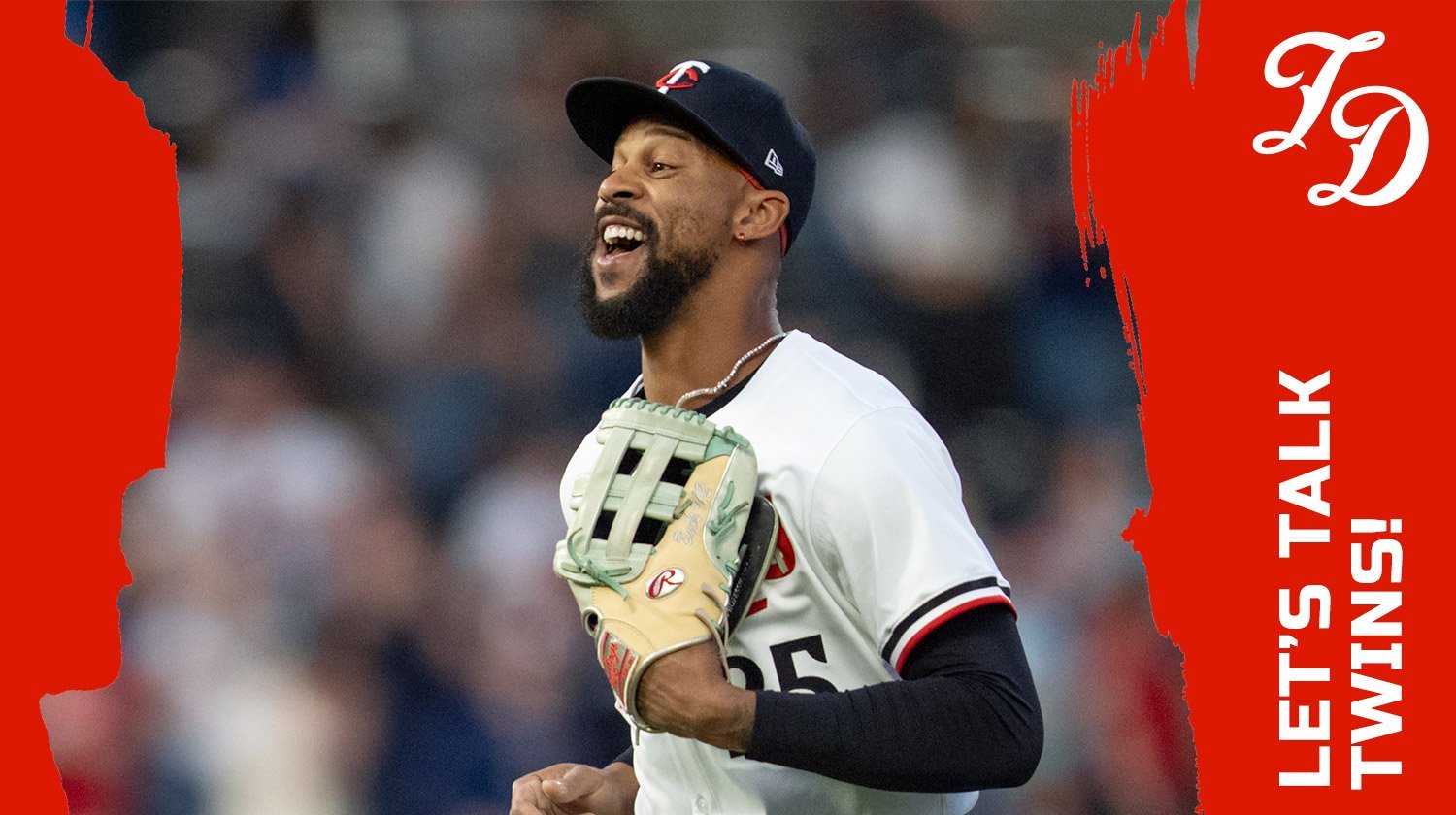
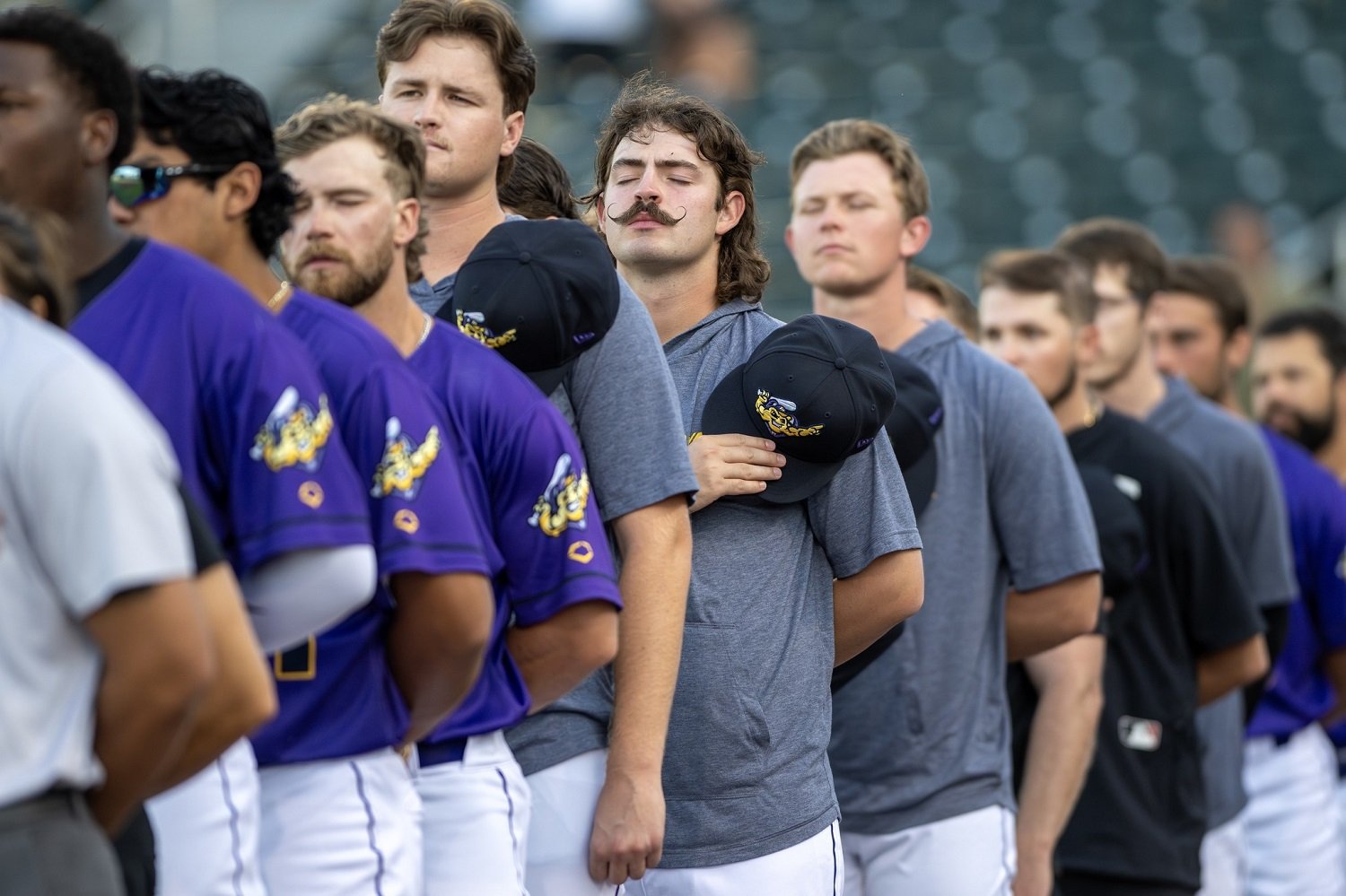
Image courtesy of William Parmeter (Photo of Jakob Hall)
The Minnesota Twins have quietly been making adjustments behind the scenes that could reshape the way pitchers are developed—not just in their system, but possibly across baseball. While major-league teams tinker with openers and bulk guys to squeeze every ounce of value from their arms, the Twins have taken a bolder step at the minor-league level, experimenting with a revolutionary four-day pitching plan.
On this week’s episode of Inside Twins, Director of Player Development Drew MacPhail shed light on the plan that’s been gaining traction throughout the organization this season.
“We have to give a ton of credit to our director of pitching Tommy Bergjans, our performance science group, one of our general managers Josh Kalk, and ultimately Jeremy Zoll for giving the green light here,” MacPhail shared.
“The basic idea,” he continued, “is that normal rotation cadence in [the] major leagues, there’s some good research behind maybe a quicker kind of four-day rotation and then throwing a little less pitches is actually a better work from a volume cadence and helps players recover a little bit more.”
Traditionally, professional pitchers work on a five-day rotation, throwing between 80 and 100 pitches per start and building toward handling the grind of the big-league season. The Twins are tossing aside this orthodoxy for select minor-league arms, particularly those who may not yet fit into a strict starter role but possess the raw tools to impact games regularly.
“The minor leagues are ultimately a testing ground for these things,” MacPhail said. “With a select number of pitchers that were maybe on the outside looking in of a starting rotation spot but we felt like had a lot of talent and potential, we sort of brought them this idea of almost being like a quasi-starter/long reliever and pitching every day on a four-day cadence—not going through the order multiple times, but pitching three to four innings.”
In other words, these pitchers don’t face lineups three times, the way a typical starter would. Instead, they face them once, maybe twice, stay fresh, and then hand things over to the next bullpen arm. So far, the results are turning heads in Fort Myers, Cedar Rapids, and beyond.
“A lot of those guys on our four-day [plan] have pitched the most innings in any of our affiliates,” MacPhail noted. “We have all seen their numbers really tick up. Their strikeout rate numbers have gone up, they are performing really well, and this is something we are incredibly excited about.”
The Twins have seen a handful of pitchers at each level rank near the top of their team in innings pitched despite rarely (or never) being used as a starter. Travis Adams gets a lot of focus because he is on the 40-man roster and has been pitching well at Triple-A. Besides Adams, here are some of the players to keep an eye on at each level.
The concept isn’t totally foreign to the major leagues, either. Tampa Bay popularized the “opener” strategy years ago, and teams like the Giants, Rays, and Yankees have toyed with creative bulk-inning usage. The Rockies made a switch to a four-man rotation featuring shorter starts in the second half of 2012, and way back in 1993, then-Oakland manager Tony La Russa briefly test-drove a system whereby trios of pitchers worked together in three-inning stints every third day. But the Twins appear to be laying the groundwork for a more systemic change, one that develops pitchers to handle high-leverage situations without the outdated expectation of laboring through six or seven innings every fifth day.
One of the fascinating layers of this approach is its potential impact on individual player development. For pitchers who might have otherwise been stuck in bullpen purgatory (too raw for full-time starting roles, too valuable to waste on low-leverage relief), this system offers meaningful reps in real game action, all while preserving arm health.
If the results in 2025 are any indication, the strategy is working. Strikeout numbers are up. Pitch counts are manageable. Players are recovering faster. Most importantly, arms that once seemed ticketed for organizational filler roles are suddenly building real innings and value.
Could this be the future of pitching, not just in the minors but in the majors as well?
“Maybe it’s something you’re seeing in the major leagues at some point,” MacPhail hinted.
It’s too early to predict how this experiment will play out over the next few seasons or whether it will translate smoothly to Target Field, but the Twins deserve credit for thinking creatively. Rather than sticking to the traditional mold that often leads to overuse injuries and stalled development, Minnesota is carving a new path: one grounded in research, science, and open-mindedness.
For now, the focus remains on the farm system. But if this blueprint continues to produce healthier, more effective arms, it wouldn’t be a surprise to see this philosophy make its way to the big-league dugout. After all, innovation rarely stays hidden for long.
Will this new system work for the Twins? Will pitchers be successful in this role at the big-league level? Leave a comment and start the discussion.