

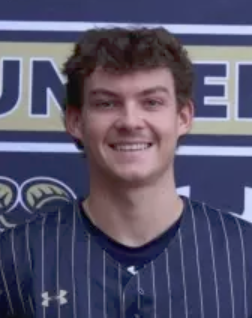
Pullen
SHENANDOAH VALLEY, Va. — Begun with five teams in 1897, the Valley Baseball League has now evolved into a summer home for any and all collegiate players who still have remaining eligibility.
Currently the league has 12 teams, all sprinkled in the Shenandoah Valley and accessible to Interstate 81, which aids in the travel the teams must take while enjoying a season that carries from the last days of May until the first days of August.
The Charlottesville TomSox have recently found the league’s winningest formula, taking home the last few championships.
The TomSox have on their roster some 15 players from NCAA Division I schools. Where the league used to be home to rosters that were almost exclusively filled with Division I players, that is certainly no longer the case.
Some teams are populated with Division III players, Division II players, those from the NAIA, junior colleges and Christian schools.
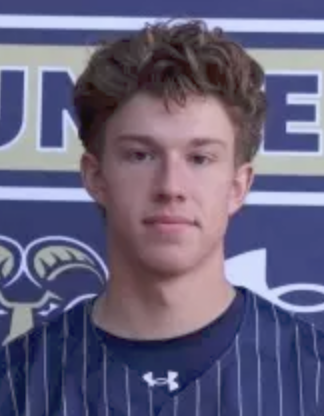
Morgan
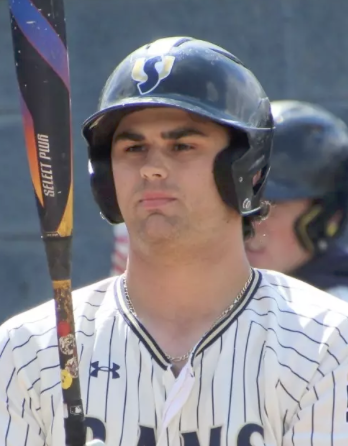
The Winchester Royals, the summer base for Shepherd University players Nik Rubendall, Riley Morgan, Michael Burnley and Bodie Pullen, only have a handful of NCAA Division I schools represented on their roster. The Purcellville Cannons have 10 leading-light schools from Division I — including two from Marshall University — listed on their roster. Shepherd’s Daniel Quintana pitches for the Cannons.
This league has all not-for-profit franchises and is a part of the 13-league National Alliance of College Summer Baseball system. Major League Baseball helps the league with some of its expenses.
The most valued of these leagues by Major League scouts is the formidable Cape Cod League, with teams in small towns along the coast of Massachusetts.
The dozen teams now comprising the “Valley League” are Charlottesville, New Market, Harrisonburg, Woodstock, Culpeper, Waynesboro, Front Royal, Covington, Strasburg, Winchester, Staunton and Purcellville.
Several teams play their games on high school fields, some at city parks, and others on lighted fields that have been their homes for decades and decades.
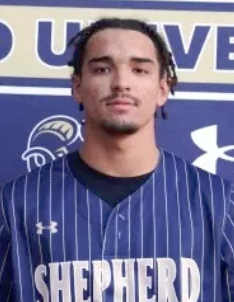
Burnley
Volunteer families house some of the players and the teams have “angels” that operate the concession stands, take up tickets at entrance gates and freely and generously give of their time. A family atmosphere is promoted at games and among the player hosts, and a general theme of good will permeates the playing facilities during games.
The league is divided into two divisions called the North and the South. Generally, its schedule calls for 44 games to be played. The regular season thins the playoff-eligible teams and the playoff system begins in the last days of July and finishes in early August.
Charlottesville with its roster full of NCAA Division I players has usually taken charge of the standings and been able to carry home championships.
The other teams have not consistently been able to dethrone the high-riding TomSox.
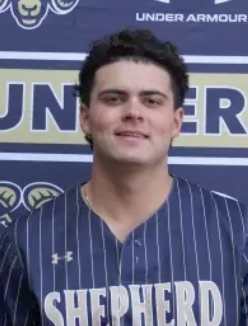
Quintana
Rubendall