
St. Petersburg officials want to make the city’s divorce from the Tampa Bay Rays official and move on.
A key document governing a deal to build a $1.3 billion stadium expired March 31 when the Tampa Bay Rays decided not to move forward with those plans. While that meant that other project terms automatically ended on that date too, city attorneys have drafted a termination agreement between St. Petersburg, the Rays and the project’s development partner, Hines.
The City Council is scheduled to vote on the formal split July 24. If approved, it would, by law, dissolve plans relating to the redevelopment portion of the stadium project, which would be recorded in the Pinellas County clerk’s office.
It also would free up some land for redevelopment, perhaps for a convention center.
According to drafts obtained by the Tampa Bay Times through a public records request, the notice would officially terminate the Historic Gas Plant Redevelopment Agreement. That would put an end to the team’s proposal to surround a stadium with thousands of condos, affordable housing and office and entertainment space.
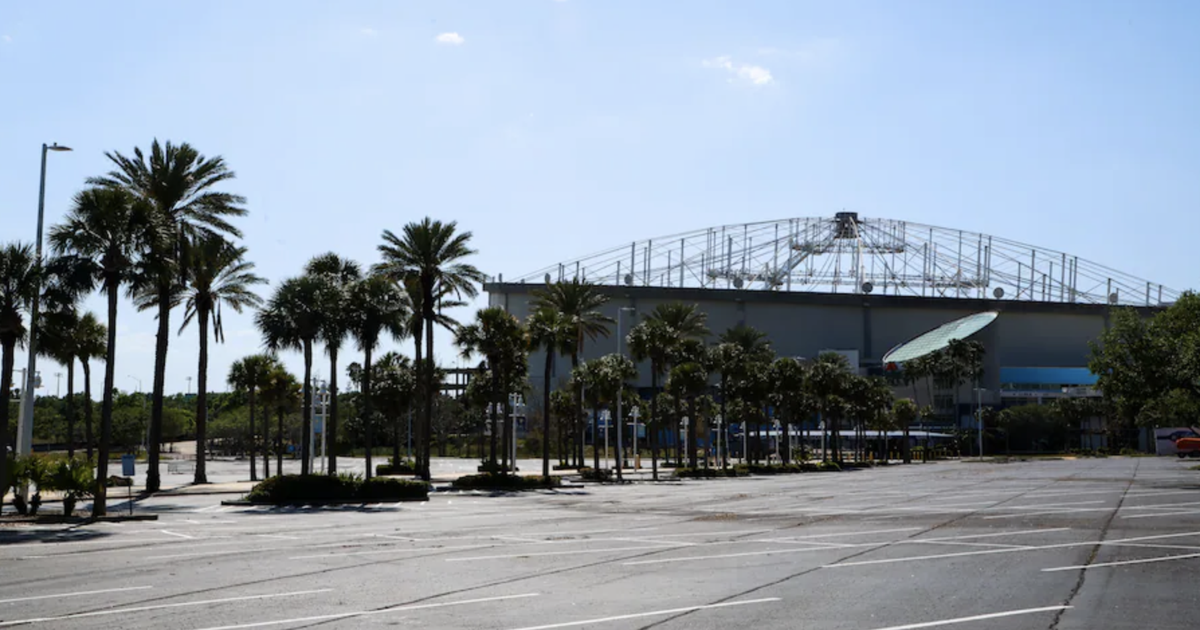
City attorneys have drafted license agreements for the Rays to continue to use Tropicana Field, adjacent parking, its marquee near Interstate 275 and Lot 4 between 16th and 17th streets north of the Pinellas Trail. St. Petersburg city spokesperson Samantha Bequer said in a statement that the agreements would allow the Rays to continue using that land for parking, storage and special events.
The city and the Rays are still operating under a 1995 agreement that requires the city to provide a stadium and parking to the team. Extended by one year after Hurricane Milton tore off the Trop’s roof, it is set to expire after the 2028 season.
Under terms in the drafts, St. Petersburg and the Rays “agree to continue to work in good faith throughout the remainder of the term.”
Mayor Ken Welch wants to move forward with a new vision of the Gas Plant district. He has said the redevelopment project would still honor the Black neighborhood that preceded the Trop and do good on promises of affordable housing, jobs and opportunities for minority-owned businesses.
“The City will continue moving forward on delivering on the goal of equitable economic development of the Historic Gas Plant District,” Bequer said.
Welch’s city development administrator, James Corbett, told council members last month that the city is working with Pinellas County to commission a feasibility study on a convention center.
Corbett’s announcement came as news broke that the Rays were in exclusive discussions to sell the club to Jacksonville-area home developer Patrick Zalupski. Welch, who has sworn off negotiating with current team ownership, said he was “excited” about the possibility of a sale. He said in March that new plans for the Gas Plant could include baseball under new ownership.
Welch told a reporter that his administration was looking to set up a meeting with Zalupski, but hasn’t yet. Tampa Mayor Jane Castor said she met with Zalupski in May.
Bequer said the city is focused on memorializing the termination of the stadium deal before entertaining any conversations about the future.
“I’m looking forward to closing this out and moving on,” said council member Gina Driscoll.