
Image courtesy of © Matt Blewett-Imagn Images
It’s no secret that the Twins have long eyed the blueprints of front-office success from the Cleveland Guardians and Tampa Bay Rays. These clubs have delivered consistent regular-season excellence, carving out niches through shrewd trades, player development, and long-term sustainability. But when it comes to the MLB trade deadline, a pressure cooker of instant decisions and bold risk-taking, the Twins have largely hesitated, despite organizational ties to two of the sport’s savviest operators.
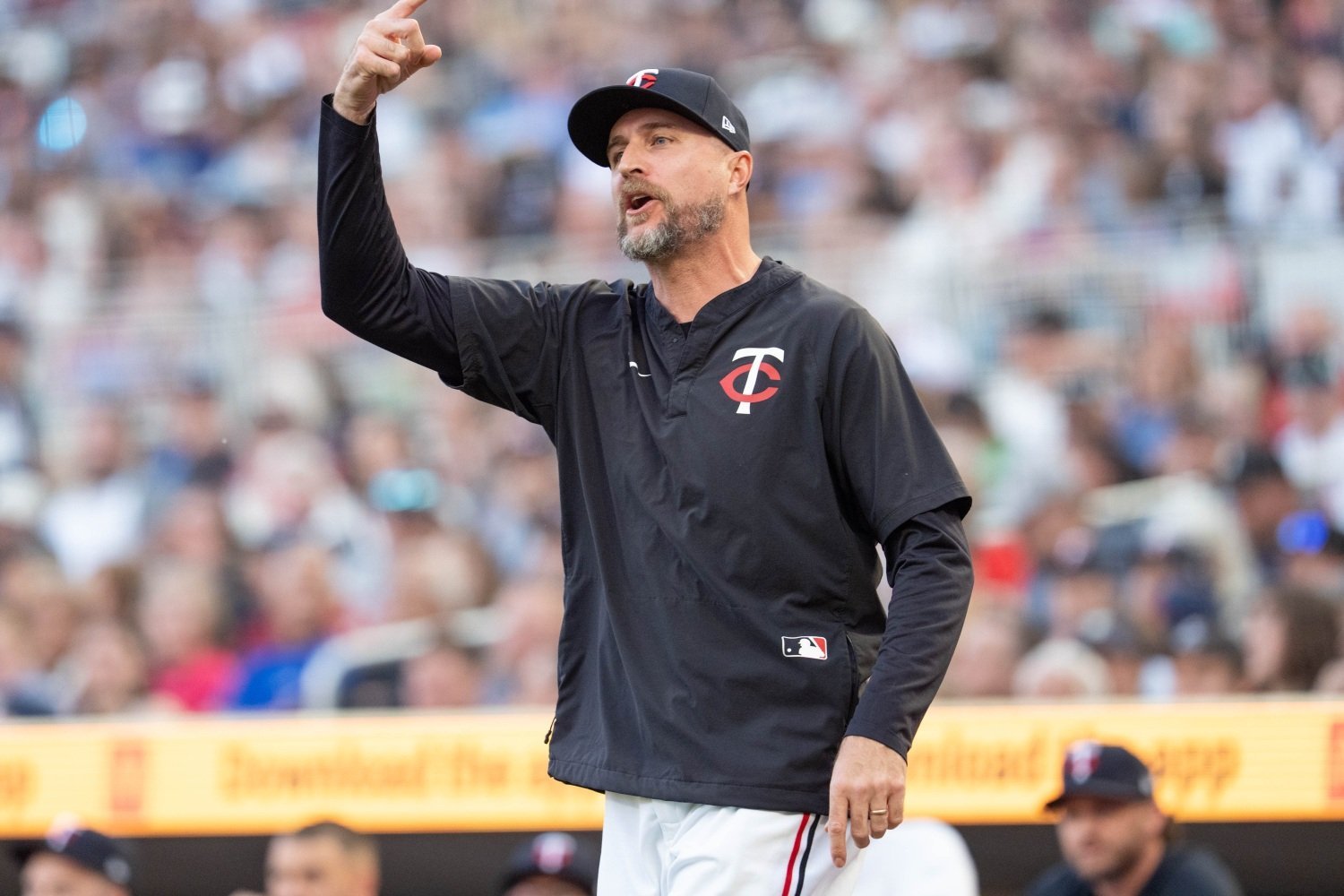
Derek Falvey arrived in Minnesota from the Guardians’ front office, a system known for maximizing pitching and churning the roster efficiently. Manager Rocco Baldelli came from the Rays, where roster manipulation and deadline boldness are basically a front-office tradition. On paper, this pairing should have created a modern, nimble, and opportunistic Twins regime. But recent deadline inactivity has left fans wondering: where’s the boldness?
To find inspiration, the Twins don’t need to look far. The Guardians and Rays have shown it’s possible to improve the future while still chasing a division crown in the present.
Cleveland’s Deadline Calculus
In 2023, Cleveland executed one of the most talked-about moves of the deadline by sending starting pitcher Aaron Civale to the Rays for first base prospect Kyle Manzardo. Civale was a solid mid-rotation arm under team control through 2025, but the Guardians, recognizing they had young arms ready to step in, sold high and grabbed a top-50 prospect.
The same week, they moved Josh Bell and Amed Rosario while bringing in prospects like Jean Segura and Kahil Watson. These weren’t win-now deals, but they didn’t tank the season either. They were Cleveland’s version of asset optimization, realigning for 2024 and beyond without punting the present.
Fast forward to 2024, the Guardians were 23 games above .500 at the trade deadline. Still, Cleveland only added outfielder Lane Thomas and starting pitcher Alex Cobb. If there was a season to bet the farm, it would have been the 2024 campaign for Cleveland but they made minimal moves to keep their winning window open.
The Rays’ Neverending Shuffle
Meanwhile, Tampa Bay has made a science out of buying and selling simultaneously. In 2023, they acquired Civale, filling a rotation need without sacrificing MLB-ready talent. That same year, they made minor deals to acquire C Alex Jackson from the Brewers for RHP Evan McKendry and added righties Manuel Rodriguez and Adrian Sampson from the Cubs. Tampa isn’t swinging blockbuster bats but they’re constantly adjusting.
At the 2024 trade deadline, the Rays were above .500 but in fourth place in the AL East. Seeing the writing on the wall, the front office rebuilt their farm system by trading away multiple players. Not quite a year after their need to reinforce their injury-depleted rotation led them to acquire Civale from Cleveland, the Rays sent Civale to the Brewers for shortstop prospect Gregory Barrios. They also traded away Randy Arozarena, Isaac Paredes, Amed Rosario , Phil Maton, Zach Eflin, and Jason Adam.
It’s this constant churn that keeps the Rays competitive without ever fully cashing in or cashing out. It’s a strategy built on confidence in their development system and an understanding that the deadline is not just about stars, but about control and upside.
Will Minnesota Follow Suit?
Now, the Twins find themselves in a similar situation. They’re not out of the race, but they’re not juggernauts either. The 2025 team has flaws: the lineup can go cold, the bullpen has been taxed, and starting depth is always fragile. And yet, the front office did little in 2024 and even less in 2023 when needs were equally pressing.
This year, there’s chatter about dealing Jhoan Duran, Griffin Jax, or even expiring contracts like Willi Castro or Harrison Bader. But rather than signal a full teardown, these moves could be the Twins’ chance to emulate Cleveland and Tampa Bay: sell from positions of strength while retooling for 2026 and beyond.
Would they move Duran for a near-MLB-ready bat or a controllable starting pitcher? Could they flip Danny Coulombe for a high-upside prospect? The Guardians and Rays have shown it’s not just possible because it’s essential to their roster model.
The other key? Trusting player development. Tampa and Cleveland make moves knowing their farm can backfill. If the Twins want to join that tier, they’ll need to show the same confidence in their depth.
The 2025 Trade Deadline Litmus Test
The next few weeks offer a referendum on the Twins’ front office philosophy. Falvey and Baldelli were brought in, in part, to replicate the disciplined, creative front-office strategies they saw succeed in Cleveland and Tampa Bay. But while the Guardians and Rays stay active and flexible, Minnesota’s recent deadlines have looked more like a waiting game.
It’s easy to say you follow the Cleveland model. It’s harder to trade a solid big-leaguer for a prospect when your team is in playoff contention. But if the Twins want to act like the Rays and Guardians, now is the time to prove it, not with words, but with action.
Will Minnesota toe the line, reshaping their roster for today and tomorrow? Or will they once again stand still while others pass them by?
What would you do at the deadline: buy, sell, or both? Share your trade ideas or frustrations with the front office below.