
The Minnesota Twins remain stuck in a strange limbo. Their competitive window slammed shut in late July with a jarring, franchise-altering trade deadline fire sale. In one week, the front office moved 11 players, including eight on deadline day alone. That number represents 40% of the active roster and a whopping $26 million off the payroll.
Yet the question dominating fan conversations isn’t about the prospects received in return or even how bad the big-league product might look in August and September. The question now is simple: When is this team getting sold?
Pohlads’ Time Nearly Up?
It’s been 10 months since the Pohlad family, the franchise’s owners since 1984, announced their intention to sell. Since then, the on-field results have been a roller coaster. A 13-game winning streak in May pushed the team above .500 and into playoff contention. But that high didn’t last long, and the recent selloff made one thing clear: This ownership group is no longer operating with long-term success in mind.
The Front Office Sports report that dropped just hours after the deadline set off alarm bells across Twins Territory. A source indicated that there was “momentum” toward a sale. While no potential buyers have publicly stepped forward and MLB hasn’t confirmed any deals, the timing is raising plenty of eyebrows. After all, why would an ownership group planning to hang around tear its roster down to the studs with two months left in the season?
MLB Commissioner Rob Manfred hinted at an impending sale during All-Star break interviews. “I can tell you with a lot of confidence that there will be a transaction there,” Manfred said, noting that a clear front-runner had emerged earlier in the process, reportedly Phoenix Suns owner Justin Ishbia before shifting his attention to the Chicago White Sox instead.
“When it becomes clear that you have a leader in the clubhouse, everybody else kind of backs away, right?” Manfred explained. “Because they kind of get a feel for the price, and unless they’re prepared to top it, they’re going to move on and do something else.
That stall may have delayed the process, but momentum seems to be building again.
What’s the Franchise Worth?
The Pohlads have been reported sticking to their $1.7 billion asking price and they might have been their best business move in quite some time. The Twins might be entering the most valuable seller’s market in team history. Consider the comps:
Orioles sold in 2023 for $1.725 billion
Mets in 2020 for $2.475 billion
Rays, despite a stadium crisis, agreed to a sale in June for $1.7 billion
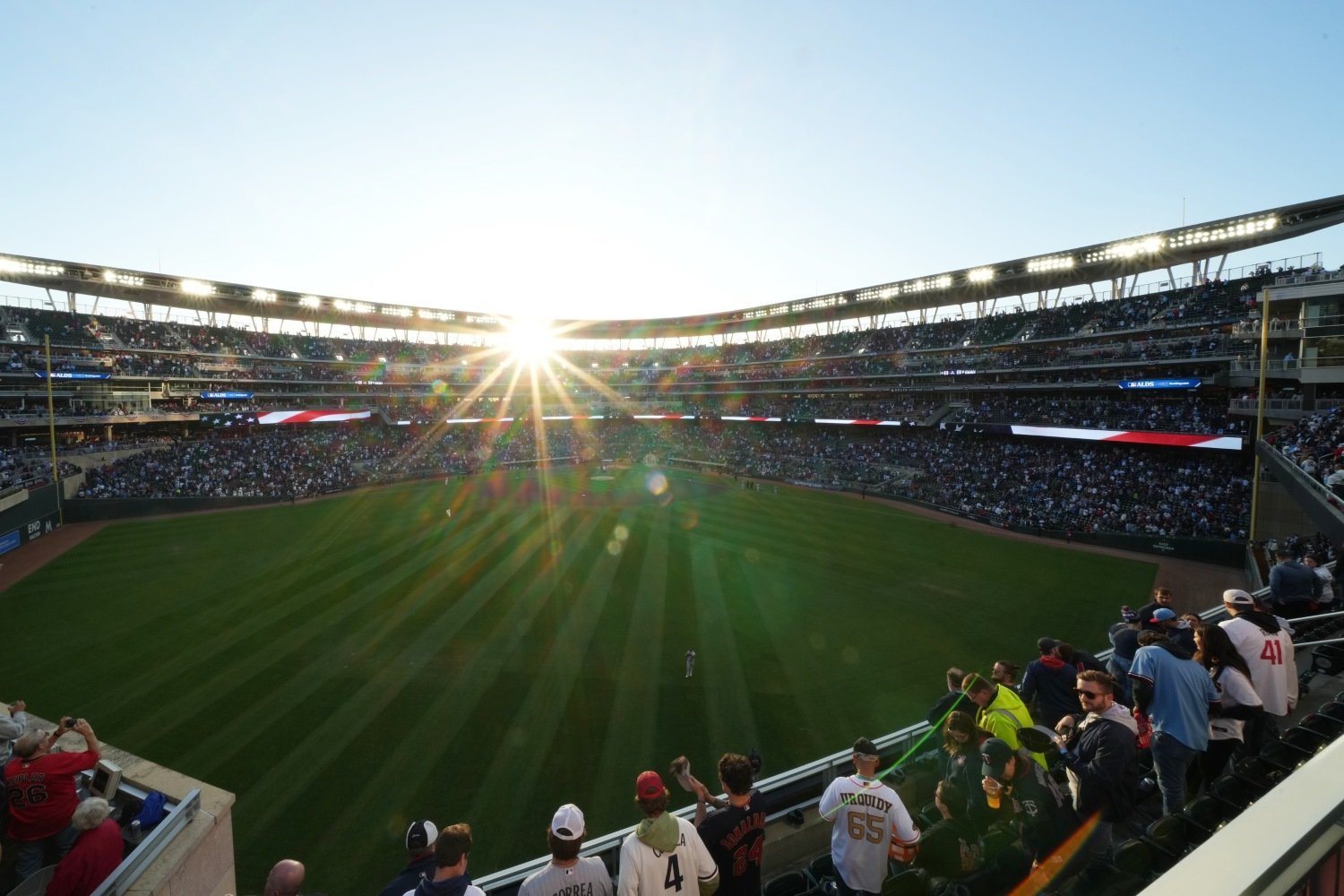
Minnesota doesn’t have a major stadium issue with the publicly funded Target Field being one of baseball’s best ballparks. It does have one thing those other clubs didn’t, over $400 million in debt. The Pohlads erased some of that debt with the salary dump of Carlos Correa and traded away other team controlled pieces that would become more expensive through the arbitration process.
That looming financial burden could muddy the waters and potentially push the sale price south of the $1.7 billion mark. But even with the debt, the Twins remain an attractive asset. They’re a mid-market team in a modern ballpark with a loyal (albeit frustrated) fan base, (finally) stable TV deal, and a strong regional presence. The hope, among fans and league insiders alike, is that a deal can be finalized before the offseason, so the new ownership can guide the team’s forward path.
What’s Next?
That’s the most complicated part. Nobody knows.
The only certainty is that the Twins need direction and fast. This deadline fire sale wasn’t the result of a front office with a bold new plan. It was a franchise in transition, shedding payroll, hitting reset, and waiting for a new voice to steer the ship.
Will a new owner come in and spend aggressively to rebuild around Byron Buxton and Joe Ryan? Or will they commit to a multi-year rebuild built around the growing stable of prospects now flooding the farm system?
The Pohlads oversaw three distinct eras of Twins baseball: the ’90s struggle years, the early-2000s Metrodome miracle runs, and the Target Field optimism that faded into inconsistency. In the end, they leave behind a complicated legacy with financial caution, flashes of success, and a fanbase that always wanted more.
For now, all Minnesota can do is wait. Wait for news. Wait for a fresh vision. Wait for someone, anyone, to take the reins and start putting the pieces back together. Because one thing is clear: the teardown is complete. The future now depends on who’s willing to build it back up.
Will the Twins have new ownership in place before the 2026 season? Leave a comment and start the discussion.