
Derek Falvey made a clear statement at this year’s trade deadline. While the Twins did acquire a few lower-minors prospects, the bulk of the return was weighted toward players who were in the high minors, with many of them having already debuted in the big leagues. In his letter to season ticket holders after the fire sale, Falvey spelled it out directly.
“We added players who can help now,” he wrote, “deepening our talent pipeline for 2026 and beyond.” He emphasized that in his post-deadline Zoom press conference with reporters, too, specifically stating that the team eschewed certain offers that would have brought them players with higher prospect ratings but less proximity to the majors.
Whether this was a move designed to protect his own job by bringing in players who could contribute right away or simply a conservative strategy aimed at banking on safer floors rather than chasing risky upside, the Twins wanted players close to the major leagues.
That decision carries tradeoffs. Players in the low minors are more volatile, but with that volatility comes the chance to hit on a future star. By contrast, players in the high minors (or already in the majors) are more predictable, but they often come with a lower ceiling. The best high-minors performers rarely get traded at all, which means teams often have to settle for players who either stalled out or were squeezed off a roster. There are exceptions, like Joe Ryan, who arrived in Minnesota as a high-minors arm and turned into a front-line starter, but that path is rare. Falvey still chose to load up on these types of players, hoping to have roster spots filled and a competitive base in place for 2026 and 2027.
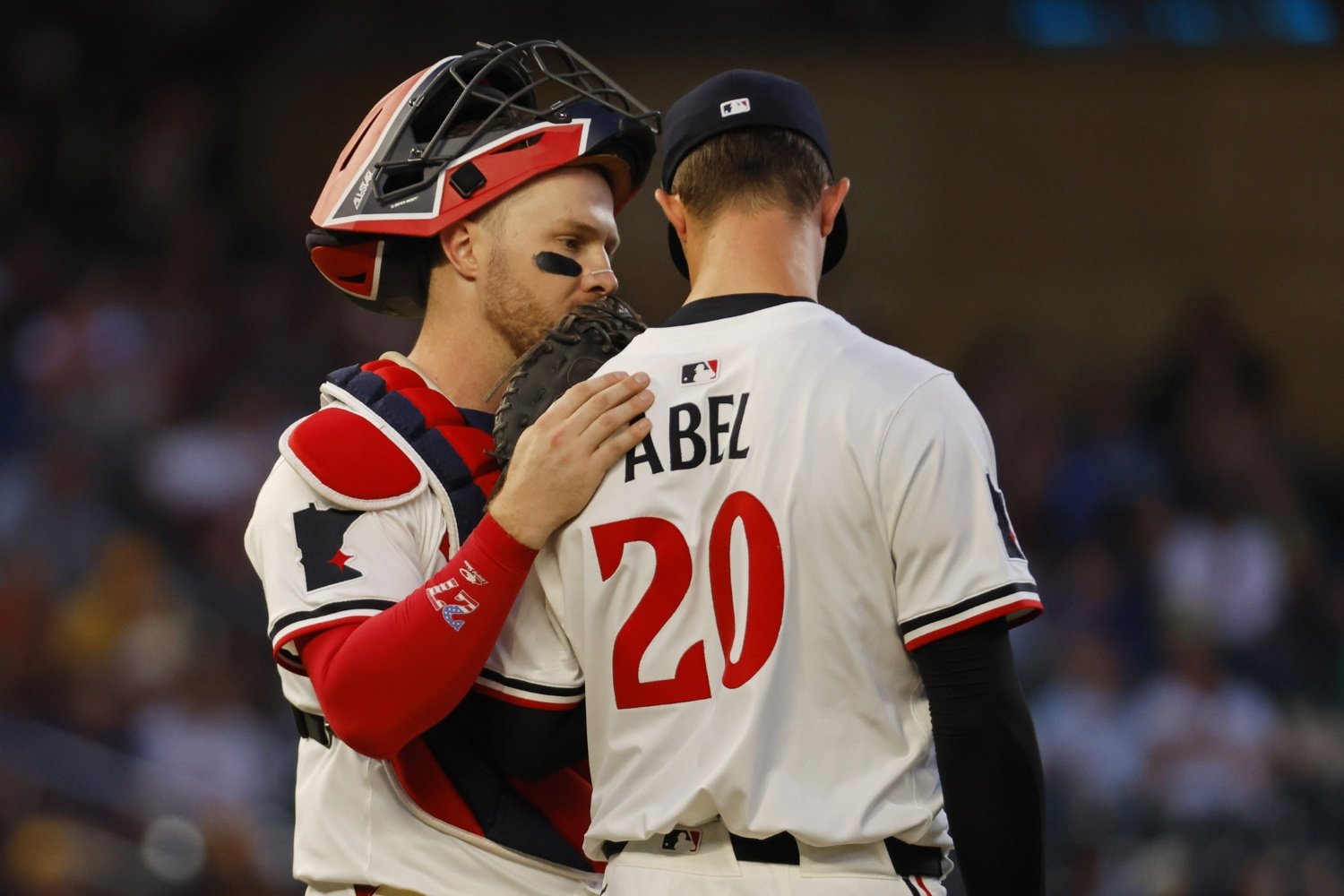
Of the 13 players acquired at the deadline, four had already debuted in the majors. That number may not sound overwhelming, but those were four of the top seven names in terms of prospect caliber. The Twins were not hiding their preferences. Taj Bradley entered the organization with 354 big-league innings already logged. James Outman had piled up more than 600 plate appearances with the Dodgers. Alan Roden had 40 games under his belt with Toronto this season. Mick Abel had already made the leap to the big leagues earlier this year, for the mighty Phillies. These were not prospects being stashed for a distant future. They were meant to help immediately.
The early results have been discouraging. Roden was sent straight to the major-league roster and lasted 12 games, before a hand injury ended his season. He posted a .463 OPS in that brief stretch, leaving little to suggest he will be ready to anchor an outfield spot next spring. Outman, who came over in the Brock Stewart deal, also got his chance after a curious minor-league stint. In 20 games with the Twins, he has posted a .539 OPS. For someone with his level of big-league experience, that performance raises questions about whether he should be counted on at all.
On the pitching side, the story is similar. Bradley, the most seasoned of the bunch, was sent down for tweaks before being promoted again. In three starts for the Twins, he has a 7.20 ERA, and his time in St. Paul was not much better. Mick Abel, who arrived with the best prospect pedigree as a former top high-school pick, has had an even rougher start. In two brief outings with the Twins, he was hit hard, allowing 11 runs in four innings. His ERA sits at 24.75, and he has already been returned to the minors. Abel still has youth and talent on his side, but his first impression hardly inspires confidence. He certainly cannot be an assumed member of the 2026 starting rotation as the Twins make their plans this offseason.
None of these players should be written off. Development is rarely linear, and all are still young enough to turn things around. But the frustrating reality is that Falvey sacrificed potential long-term upside of players further away from the Majors for the supposed certainty of having names to plug into the 2026 roster. And even that certainty hasn’t materialized. Because of injuries (in the case of Roden) or questionable performance, albeit in a small sample size, the Twins still face as many unanswered questions about their 2026 lineup as they would have if they had swung for more upside.
On the flip side, one well-reported exception to the policy Falvey talked about pursuing was the trade in which the Twins sent Jhoan Duran to the Phillies. They did go with the further-off prospect as the headliner, in that deal, letting Abel be the secondary piece to Eduardo Tait instead of taking the proferred Aidan Miller. The Phillies infield prospect batted .361/.485/.630 at Double-A Reading in August, and earned a promotion to Triple-A Lehigh Valley to close out the season. It’s perfectly possible he wouldn’t have done that if he’d been dealt to the Twins, but right now, his bat looks almost ready for the majors—and the Twins passed on it, in favor of Tait and Abel.
The hope is that these players turn things around, either late this year or over the offseason. At the moment, though, the strategy appears flawed. For a team unlikely to contend next year, the Twins passed on some higher-upside prospects to acquire players who were supposed to contribute quickly, only to watch those players stumble out of the gate. It leaves an uncomfortable question for fans to consider. Was Falvey right to focus on readiness, or did the Twins sacrifice too much potential for too little immediate help—and choose the wrong place to zig against that zag?
What do you think? Leave a comment below and start the conversation!