
The first pitch hit the zone, and the stakes were invisible but heavy. Baseball is a game of microseconds, but some seconds feel like they can tilt a franchise. In July 2025, at Coors Field, the Minnesota Twins discovered exactly how fragile momentum can be.
2024’s Warning
Twins fans saw this story play out before. In August 2024, Jorge Alcala’s meltdown in Texas became shorthand for a second-half collapse. The team had over 90% odds of making the playoffs, but injuries, slumps, and poor pitching turned a season of promise into disappointment. Some fans blame Joe Ryan’s shoulder injury or the lack of offensive punch in September. There are always places to point fingers, and multi-layered narratives to write. Still, one game, one inning, and one pitch can feel like the turning point. Sometimes, it truly is.
The Stage Was Set
Coming out of the All-Star break, the Twins hovered at .500. The Rockies were historically bad. Win the series, and Minnesota could flirt with contention. Lose, and the front office might pivot toward the future. It was a crossroads. On July 18, Chris Paddack (aka The Sheriff) strode to the mound, a veteran ready to stabilize a rotation looking to make a quick second-half impact. Alas, nothing that night went according to plan.
Before fans had time to settle into their seats, Tyler Freeman worked the count full. Crack. A leadoff double. Not yet catastrophic, but it was a first hint of trouble. Three pitches later, Mickey Moniak sent a line drive to deep right-center. The ball screamed off his bat, bouncing into the gap. Colorado led 1-0.
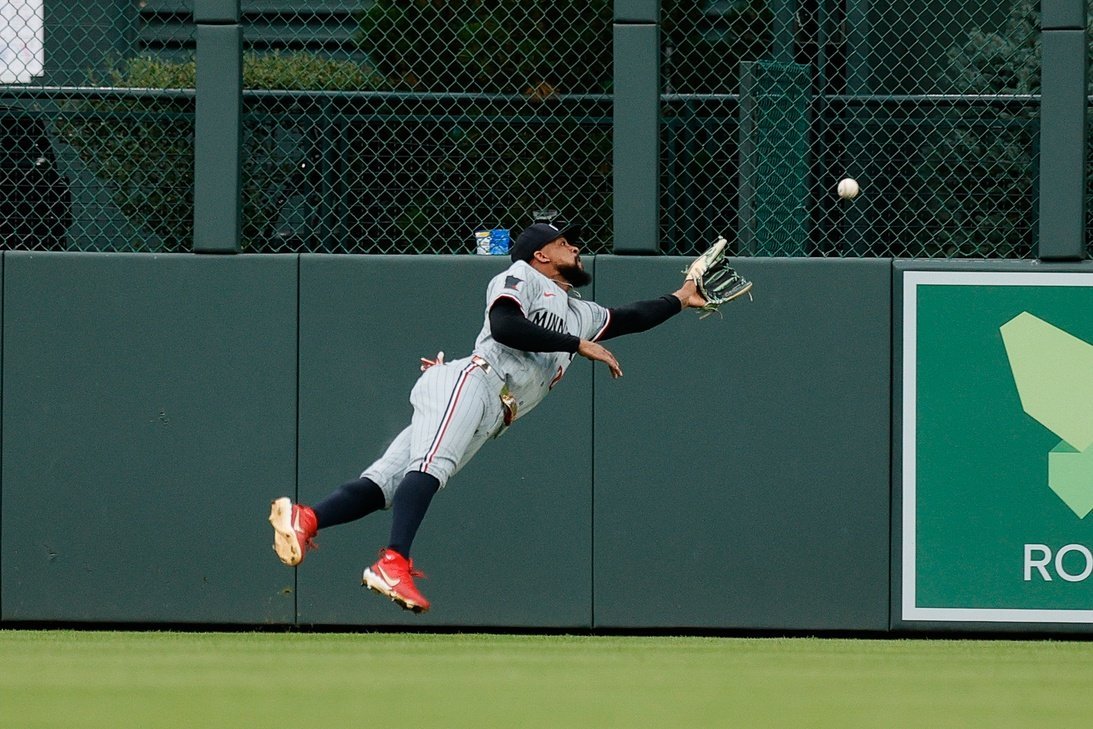
Paddack tried to smooth things out. The next batter, Jordan Beck, worked a 2-0 count before ripping a triple into the alley. Byron Buxton seemed to have the ball in his sights, and made a diving attempt. Maybe a younger, faster Buxton makes the catch and keeps the Twins in the game. Instead, the ball eluded him, and scoreboard ticked: 2-0. There have been plenty of games where the Twins were down a couple of runs early and mounted a comeback, but the Rockies weren’t done yet.
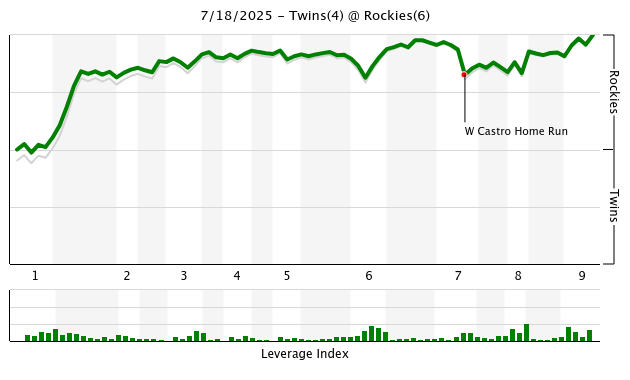
Ryan McMahon stepped to the plate and took a massive swing at the first pitch he saw. The hanging curveball was crushed for a two-run homer, sending the pitch sailing into the Rockies’ corner seats. Colorado’s win probability jumped by nearly 7%, to 87.1%, and the Twins were back on their heels. Four runs in a single inning, and Minnesota’s season suddenly felt fragile.
Paddack pitched five innings, gave up five earned runs, and left the mound without answers; the damage was done. He had a -.236 WPA, one of his lowest totals of the season. However, there were much larger ramifications to that one inning. That first frame wasn’t just a stumble. It was a gut punch that redefined the team’s trajectory.
The Deadline Domino Effect
After two losses in three games in Colorado, the front office shifted into high gear. By the trade deadline, nearly 40% of the active roster was gone. Carlos Correa, Jhoan Duran, Paddack, Griffin Jax, Louis Varland, Brock Stewart, Danny Coulombe, Harrison Bader, Willi Castro, and Ty France were all traded, in a whirlwind selloff that few teams have seen at a trade deadline.
Had Minnesota swept that series, it’s likely many of the pieces with team control beyond this year would have remained. Instead, one inning snowballed, and accelerated a rebuild (or retool, if you ask the Twins’ front office). That inning didn’t just lose a series; it arguably reshaped the next half-decade of Twins baseball.
What Comes Next
Now, the spotlight shines on the organization’s next long-term core, including Walker Jenkins, Emmanuel Rodriguez, Kaelen Culpepper, Luke Keaschall, and others. Payroll flexibility opens doors to potential bold acquisitions, but there are no guarantees that the Pohlad ownership group will invest in the team for the 2026 season. This puts the farm system under pressure to produce results quickly, including some of the players acquired in the now-famous trade deadline deals. Fans will adjust to a roster in flux, while the front office bets that short-term pain will seed long-term gain.
In baseball, one pitch rarely defines history. But some innings? They do. For the 2025 Twins, one nightmare inning in Colorado may have rewritten the future entirely.
Do you believe that inning was the turning point in the season? Leave a comment and start the discussion.