
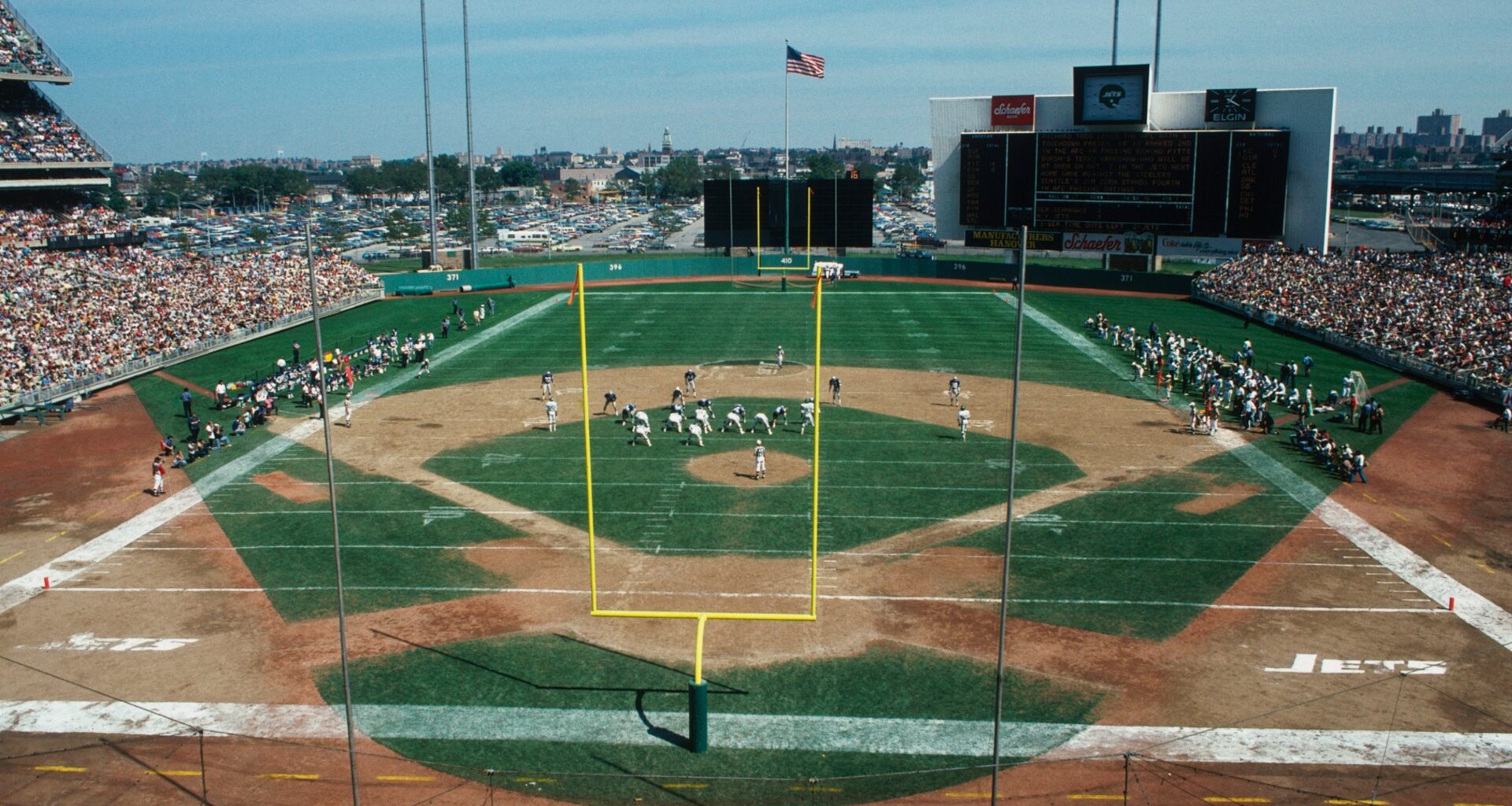
Few stadiums in the United States can boast the same kind of history as Shea Stadium.
Located in the heart of Queens, New York City, the venue opened in 1964 and was home to the New York Mets for more than four decades.
12
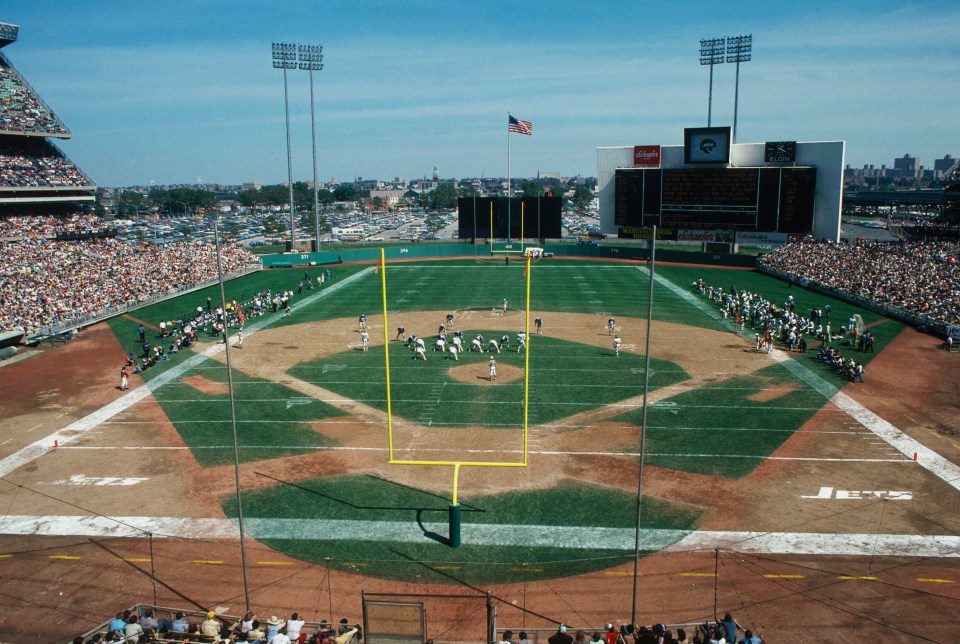
Shea Stadium became a New York landmark that housed both the Mets and the JetsCredit: Getty
At Shea Stadium, the storied MLB franchise won two World Series titles (1969 and 1986) and the NL pennant five times.
Named after William A. Shea, the man who played a key role in bringing the Mets to New York, the building was a marvel of its time and seated over 60,000 fans.
It wasn’t just the Mets that played there, either.
The New York Jets also called Shea Stadium home from 1964 to 1983, and as Shea was designed to accommodate both baseball and football, it featured movable stands that allowed for the field to be converted for the two sports.
Look inside the iconic Shea Stadium that once hosted The Beatles, New York Jets & New York Yankees!Unique stands at Shea Stadium caused issues for visiting fans
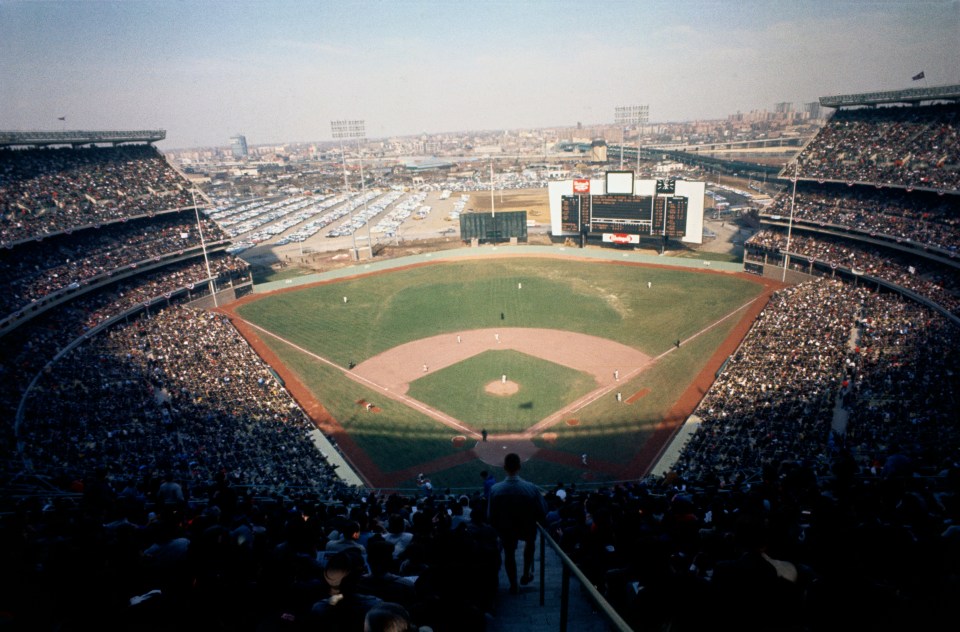
Field level seats were arranged in two crescent shaped sections that could be rotated on underground tracks.
In the football configuration, the sections faced each other from opposite sides of the playing field.
For baseball, they were rotated so that they would come close to meeting in the territory behind home plate, creating a horseshoe shape similar to that of the Philadelphia Municipal Stadium.
While important for its use as a multi-purpose stadium, movable stands caused plenty of issues for visiting spectators.
For baseball, some seats directly faced the foul line, and fans seated beyond first or third base would have to turn to face the infield.
When it came to NFL, the movable stands often created awkward sight-lines and left many fans far from the action.
12
Shea Stadium had movable stands to ensure it could operate for both MLB and NFLCredit: Getty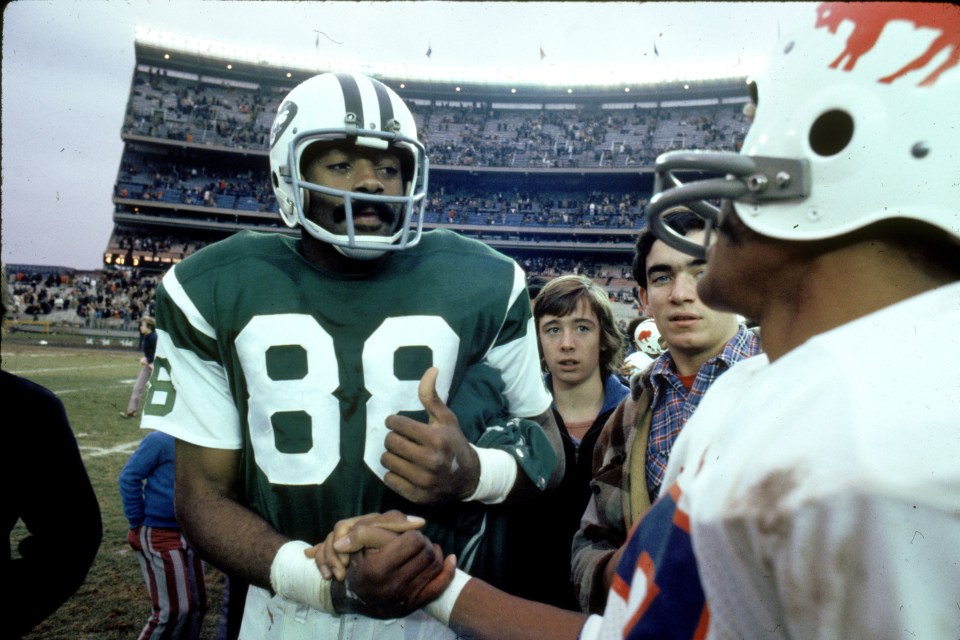
12
NFL history was made on the Shea Stadium field by O.J. Simpson in 1973Credit: Getty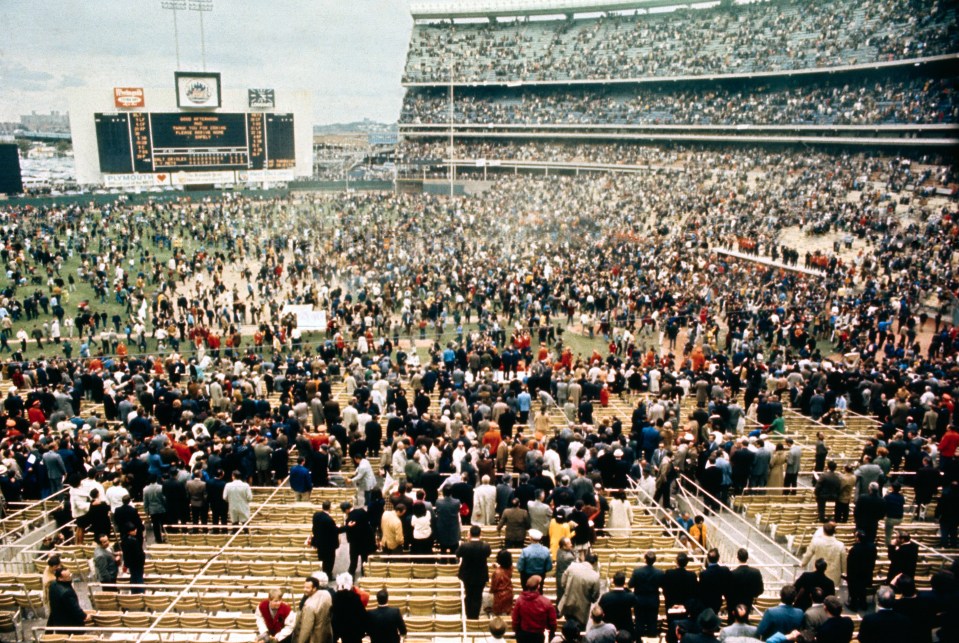
12
Fans stormed the field at Shea when the Mets won the 1969 World SeriesCredit: Getty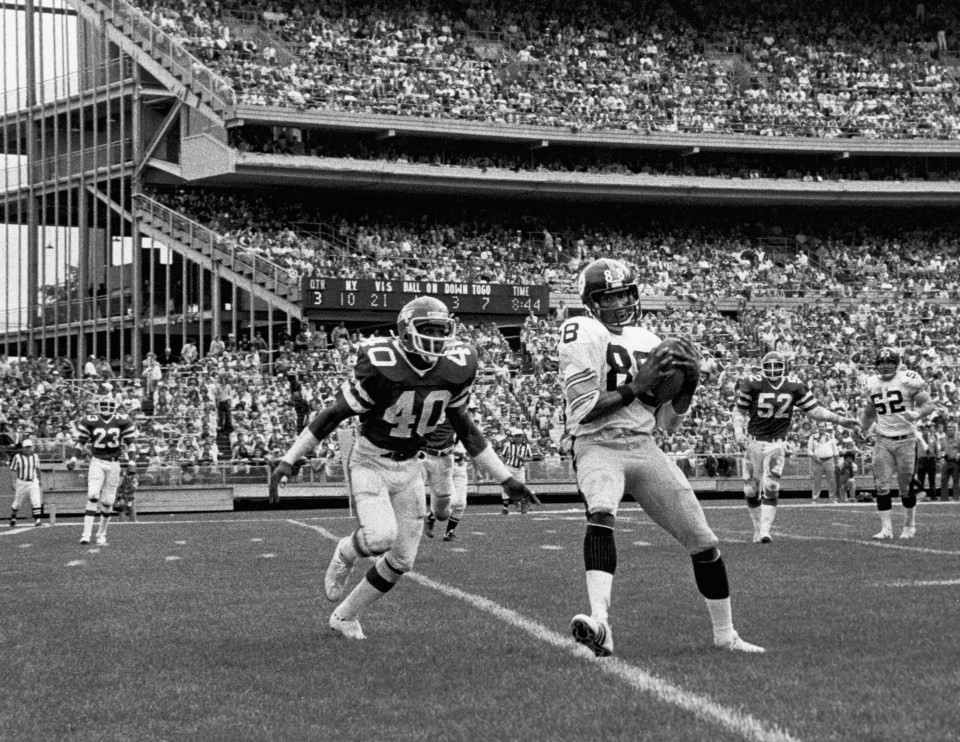
12
Movable stands at Shea were said to offer poor sight-lines and damage the surfaceCredit: Getty
Moving the seats also damaged the playing surface, and late season Mets games often had sections of dead grass in the corners of the outfield from when the seats were moved for Jets games.
Despite the obvious issues, Shea Stadium quickly became a cultural landmark in New York City.
It was also the site of NFL history.
What football history was made at Shea Stadium?
The record set at Shea Stadium belongs to O. J. Simpson.
On December 16, 1973, ‘the Juice’ became the first running back in NFL history to gain 2,000 yards in a single season.
To this date, Simpson remains the only player to reach that milestone in 14 games or fewer.
12
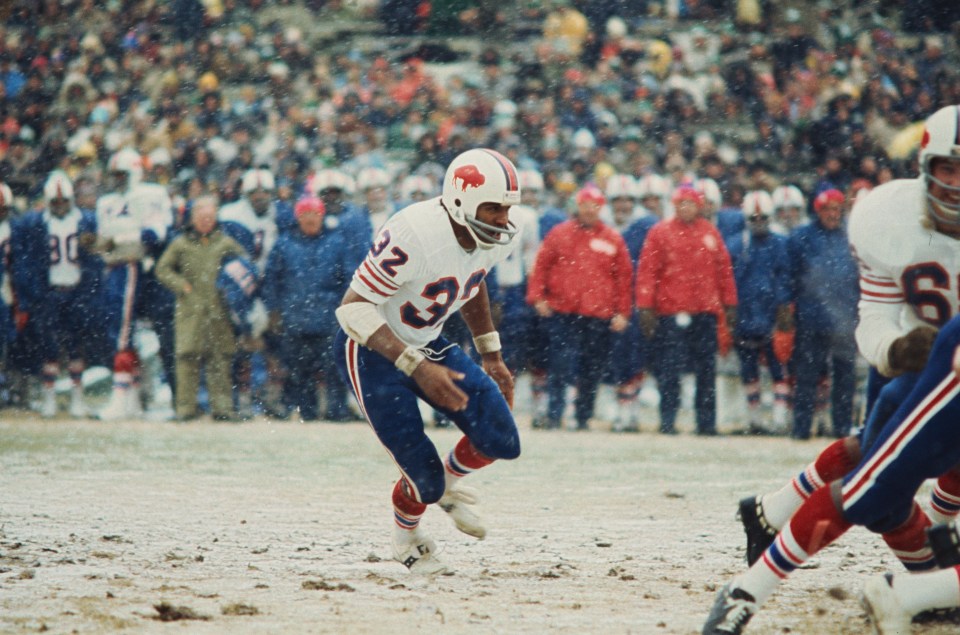
Simpson set the NFL rushing record in the snow at Shea StadiumCredit: Getty
He was playing at Shea Stadium for the visiting Buffalo Bills in the final game of the 1973 season, and totaled 200 yards on 34 carries.
A seven-yard run in the snow took him over 2,000 yards for year.
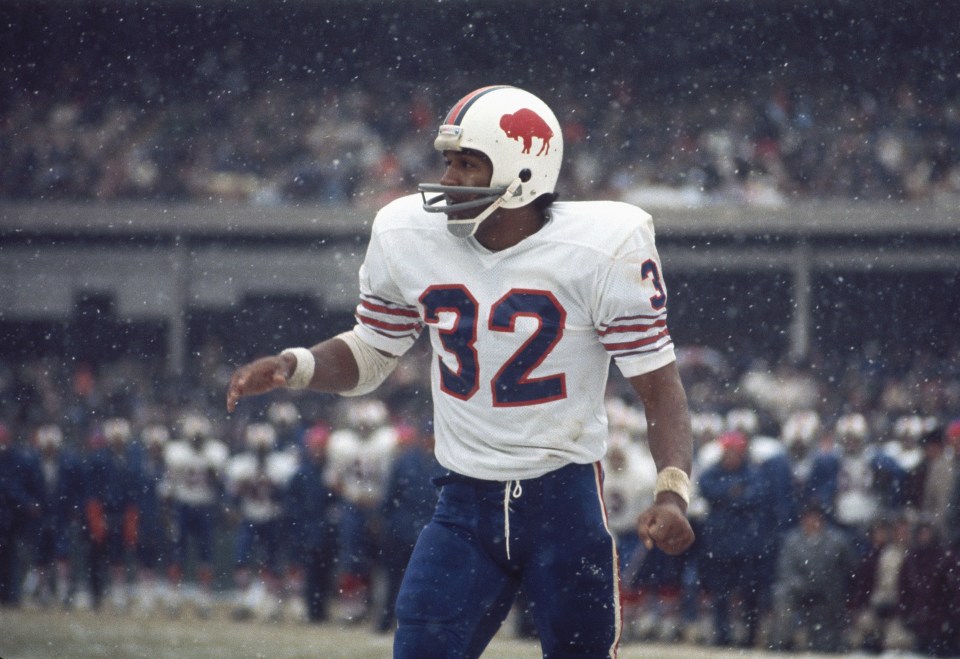
The Bills won 34-14, and Simpson finished the season with 2,003 total rushing yards and 12 touchdowns.
He won the MVP award in 1973, after he blew away Jim Brown’s previous single-season rushing record of 1,863 yards.
12
Simpson remains the only NFL player to hit 2,000 yards in a 14-game seasonCredit: Getty
Simpson has since been joined by Eric Dickerson, Barry Sanders, Terrell Davis, Jamal Lewis, Chris Johnson, Adrian Peterson, Derrick Henry and Saquon Barkley in the 2,000-yard club.
All of those players hit the milestone having played in at least 16 game seasons.
As well as being the site of sporting history, Shea will also be remembered as the ‘birthplace of stadium rock’ after it hosted The Beatles’ iconic 1965 New York concert.
Beatles concert at Shea Stadium makes history
A record crowd of 55,600 people filled Shea Stadium as the band kicked off their North American tour on August 15 of that year, in an event that set the standard for large-scale music performances.
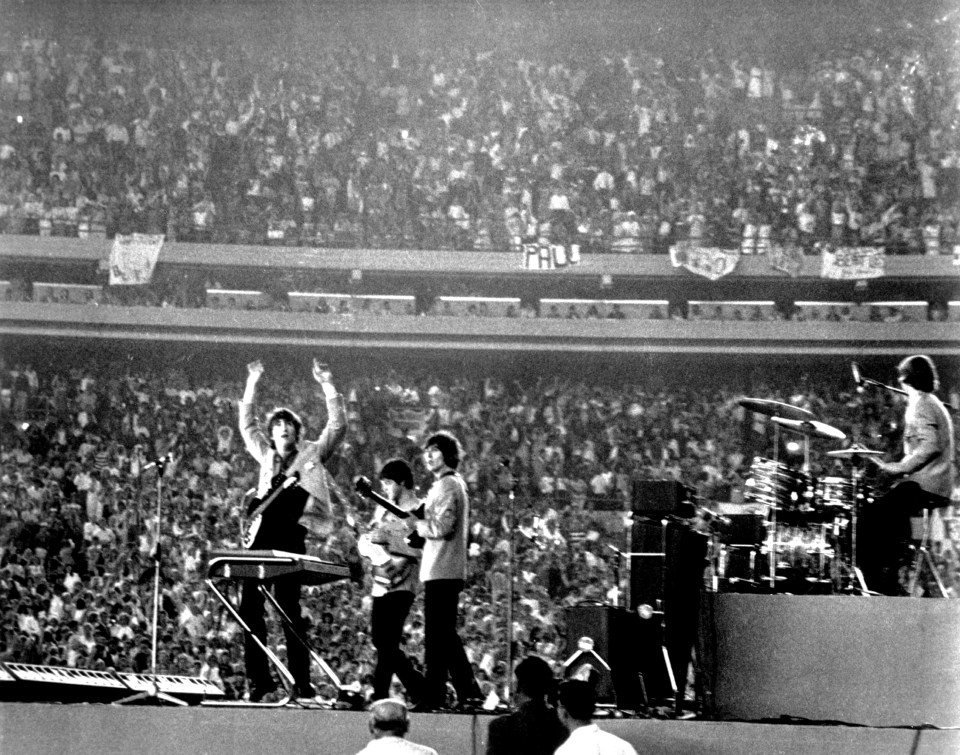
12
Shea is considered the birthplace of stadium rock thanks to a 1965 Beatles concertCredit: Getty
‘Beatlemania’ was at one of its peaks at Shea, with footage from the concert showing many teenagers and women crying, screaming and fainting.
The sound of the crowd was so deafening that none of the Beatles, or anyone else, and reported to have been able to hear what they were playing on the night.
Still, it was the first concert to be held at a major outdoor stadium and set records for attendance and revenue.
Other major acts like The Who, The Rolling Stones, Elton John, and Bruce Springsteen, all graced its stage in the years that followed.
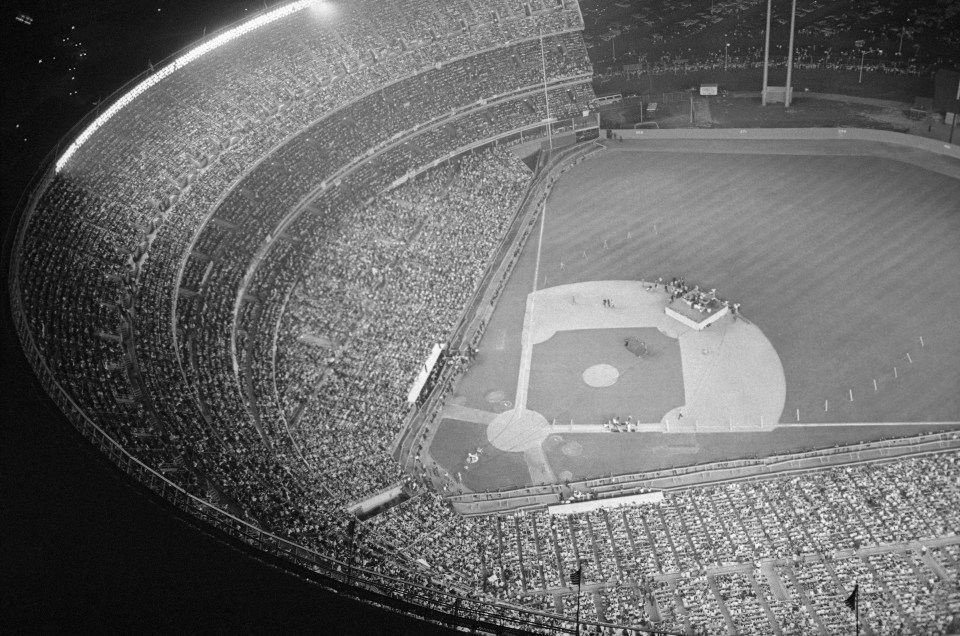
12
More than 55,000 fans watched The Beatles in New York 60 years agoCredit: GettyShea Stadium demolished for new Mets home
Despite hosting legendary musicians and two New York-based sports teams, Shea Stadium was long outdated by the turn of the millennium.
In fact, even by the 1980s, the stadium’s lack of modern amenities frustrated both players and fans, and the Jets moved out in ’83.
Their current home, MetLife Stadium, which they share with the New York Giants has turf issues of its own.
The Mets stayed at Shea for two more decades, but it was demolished in 2009 following the opening of Citi Field next door.
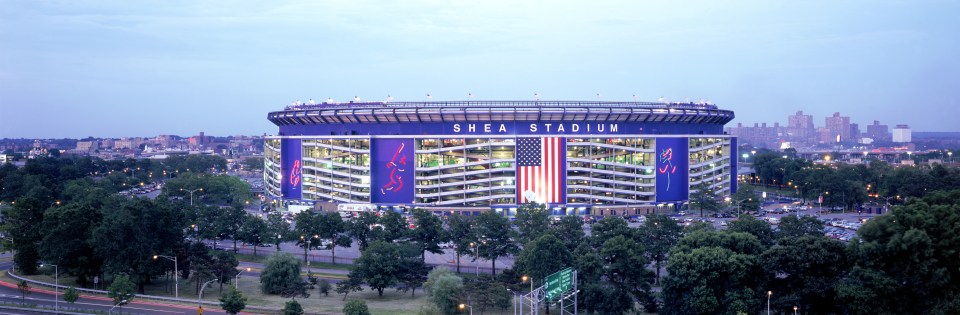
12
Shea Stadium was demolished in 2009 and replaced by Citi FieldCredit: Getty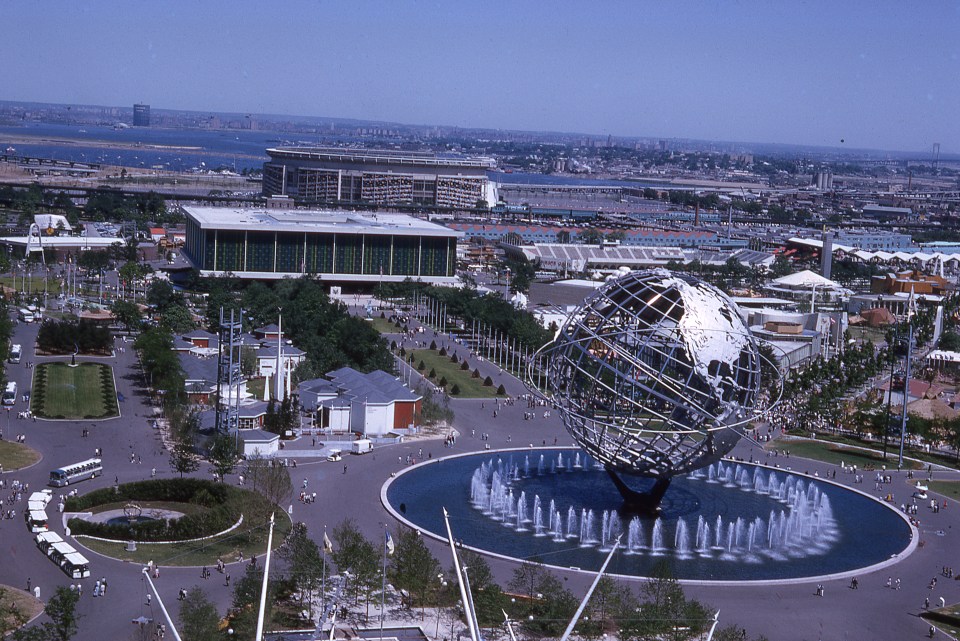
12
The 1964 World’s Fair was hosted close to the iconic buildingCredit: Getty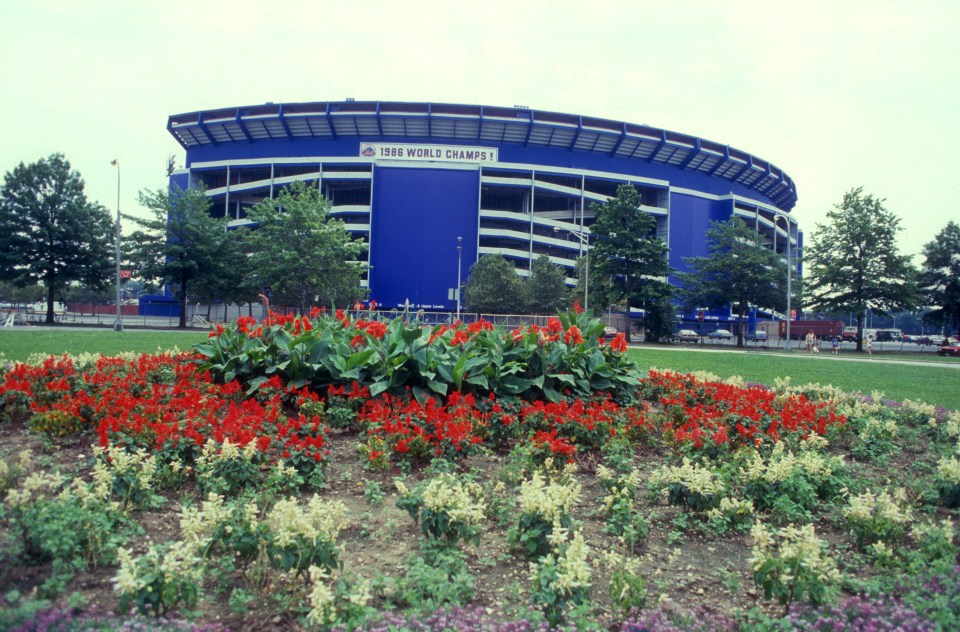
12
Shea Stadium’s home plate is now marked in the Citi Field parking lotCredit: Getty
In accordance with New York City law, the building was dismantled, not imploded, and the company with the rights to sell memorabilia from the ballpark was given two weeks after the final game to salvage anything necessary.
The location of Shea Stadium’s home plate is now marked in the parking lot of Citi Field, and its legacy lives on in the shadow of a far more modern stadium.
Stay up to date with the latest from the NFL across all platforms – follow our dedicated talkSPORT USA Facebook page and subscribe to our talkSPORT USA YouTube channel for all the news, exclusives, interviews and more.