
In some sports (e.g. NHL hockey and more recently, the NFL), it’s not unusual to see head coach firings during the season. But in MLB baseball, that action has really picked up in recent years. In the past generation of baseball, ownership and general managers tended to wait till after the season to fire the manager, even if he was just a scapegoat for other failures on the part of the team.
And yet, no more. This past season, by May 18th, three MLB managers had already been shown the door: Bud Black of the Colorado Rockies, Derek Shelton of the Pittsburgh Pirates, and Brandon Hyde of the Baltimore Orioles. This was the first time three managers had been fired before June since 2002.
According to Daniel Epstein of Forbes Magazine (“The Three Fired MLB Managers Have Something in Common,” May 18, 2025), all three managers fired before June were set up to fail by inadequate off-season roster building.
The Orioles seriously needed to bolster their starting pitching after the 2024 season, and instead chose to strengthen their outfield with acquisitions like Tyler O’Neill and Ramón Laureano. The Rockies made no off-season moves of significance at all; and with a starting pitching rotation ERA of over 7.00 by the time they fired Bud Black, let’s just say he was definitely a scapegoat. And the Pirates had the exact opposite issue: their starting pitching was solid, led by Paul Skenes; but with the very small budget they usually invest in the team, they instead built a weak lineup that simply couldn’t contend.
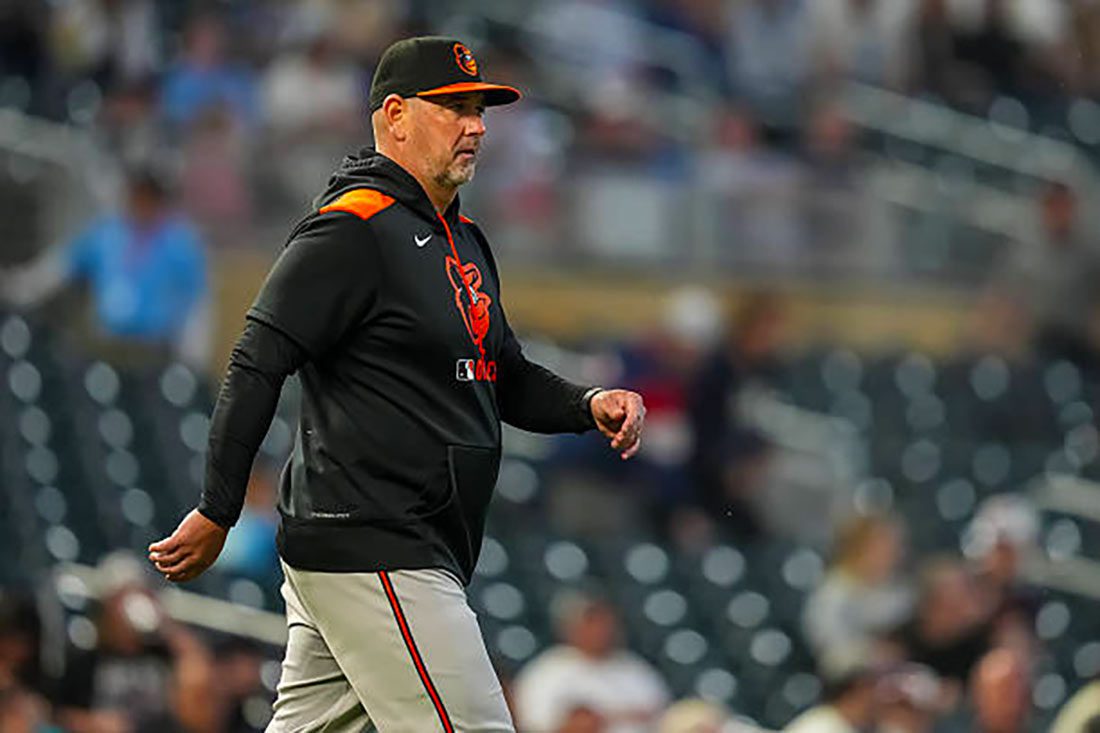
Ex-Orioles manager Brandon Hyde (Getty)
Furthermore, it comes as no surprise that, naturally, the day after the 2025 season ended, there were additional managers let go. Bob Melvin of the San Francisco Giants was first. Almost immediately following, Rocco Baldelli of the Minnesota Twins was out the door.
Over the ensuing week, Ron Washington of the Los Angeles Angels was fired, along with Bruce Bochy of the Texas Rangers. Brian Snitker of the Atlanta Braves is being transitioned to an advisory role.
The New York Mets of the epic 2025 end-of-season collapse have not fired their manager, Carlos Mendoza; but multiple Mets coaches, some of them pretty longstanding (such as pitching coach Jeremy Hefner), have been let go.
There may be cases in which the manager is really not a good fit for the team or has worn out his use to the team due to multiple roster and coaching changes under his oversight – but it’s difficult believe that a manager with Bochy’s or Snitker’s track records was really at fault for team performance in a given season.
Much has been written over the past several years about Aaron Boone, manager of the New York Yankees. Yankee fans expect the team not only to contend every season, but to make the postseason and to go deep into the playoffs – in fact, to “win it all.”
Well, that hasn’t happened since 2009, under the management of Joe Girardi. Although Boone’s win-loss record with the team is among the highest all time of Yankee managers, there has been a lot of outcry over his tenure about his decisions regarding bullpen usage, his alleged “softness” in treatment of underperforming players, and his lineup management. Add to that complaints about his various teams’ defensive flaws, and Boone has evolved into a constant target.
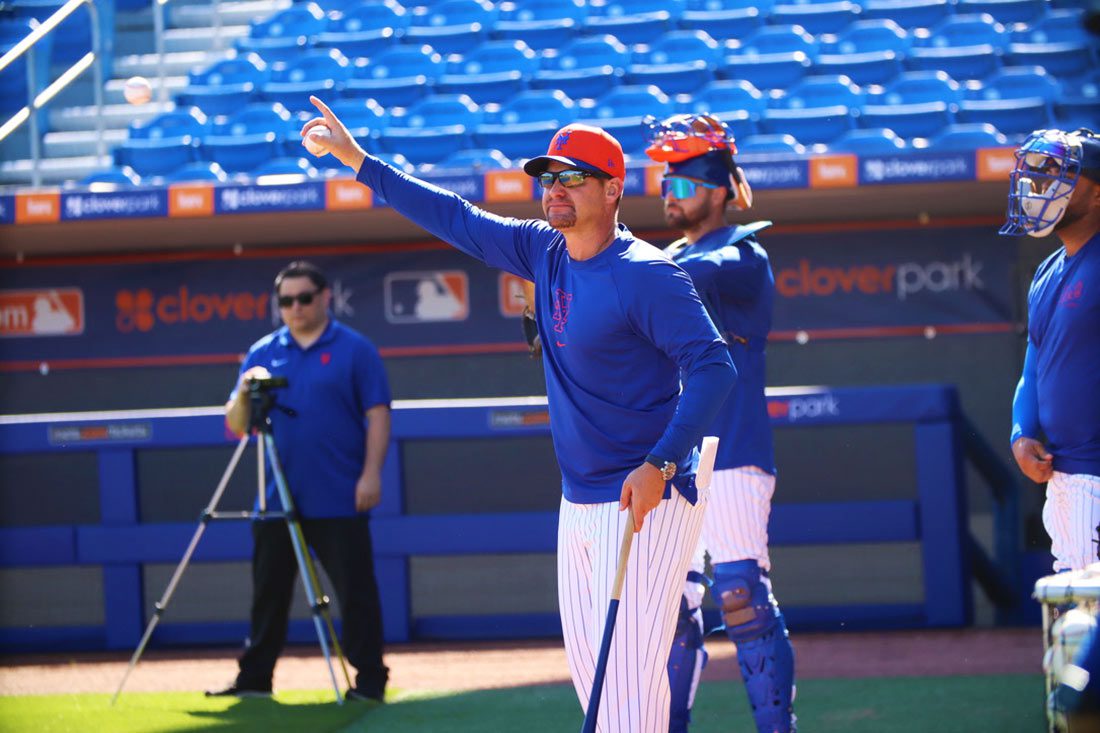
Mets manager Carlos Mendoza.
And yet, ownership and the front office contend that he is among the best in the business, and his contracts have been renewed every few years since 2018, when he began his Yankee management career. Boone’s current contract runs through the 2027 season; and despite the Yankees’ early exit from the playoffs this postseason, he remains the team’s manager.
Is this a case of fans playing the “blame the manager” game, or is Boone actually in the super tough position of juggling a demanding, high payroll team; a large market fan base with very sizeable expectations; and an ownership that has clamped down on its current spending due to luxury tax thresholds?
Or is it roster building that’s really to blame, as has possibly been the case with the Pirates, Orioles, and Rockies? Ask the fans. Trust me, many will say yes to this latter, as well. “Fire (Brian) Cashman!” is another Yankee fan favorite slogan – Brian Cashman being both general manager and senior vice president of the Yankees.
In a bit of a surprising move, however, San Diego Padres manager Mike Schildt suddenly announced his retirement after back-to-back 90-win campaigns.
Schildt was under contract with the Padres through the 2027 season. He is the fifth manager to leave the team under president of baseball operations A.J. Preller. The Padres are a very high-talent team; but they’re also pretty costly. The expectation by Preller that his manager can solve any shortcomings is pretty transparent, due to the number of Padres managers who have left the team during Preller’s tenure.
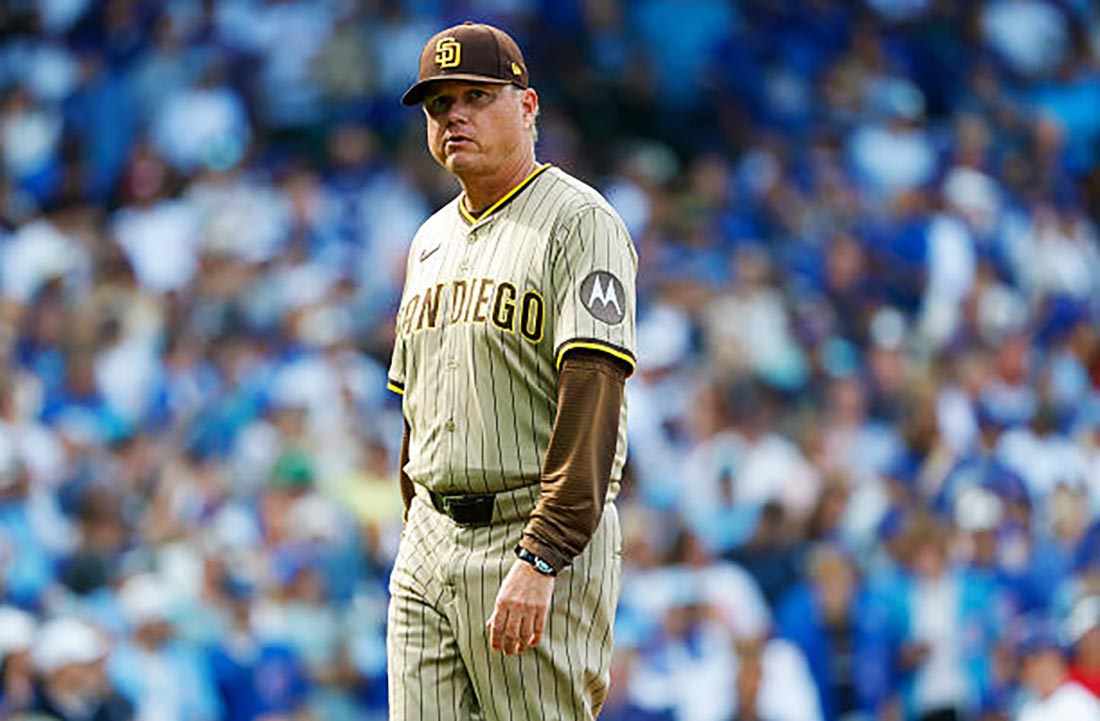
Former Padres manager Mike Shildt (Getty)
All this notwithstanding, if postseasons were in the Manager of the Year mix, Dave Roberts of the Los Angeles Dodgers would win every year. Though the Dodgers have – so far – only actually won two World Series during Roberts’ nine-year tenure, he’s taken the team to the postseason (and generally pretty deep into the playoffs) every year of his managerial career with them.
But postseasons don’t count toward Manager of the Year, to the woe of many Yankee fans, who are sure Aaron Boone would have been shown the door already if they did.
And thus, just as the leaves drop from the trees every year, so do several MLB managers find their names dropping from team organizational charts.
What percentage of the time is it really the manager’s fault their team didn’t succeed? I don’t think even baseball analytics has a calculation for that. But as in most professions, firing an entire MLB team would be a lot more difficult to do than simply firing the manager.
So why not just blame the manager?