
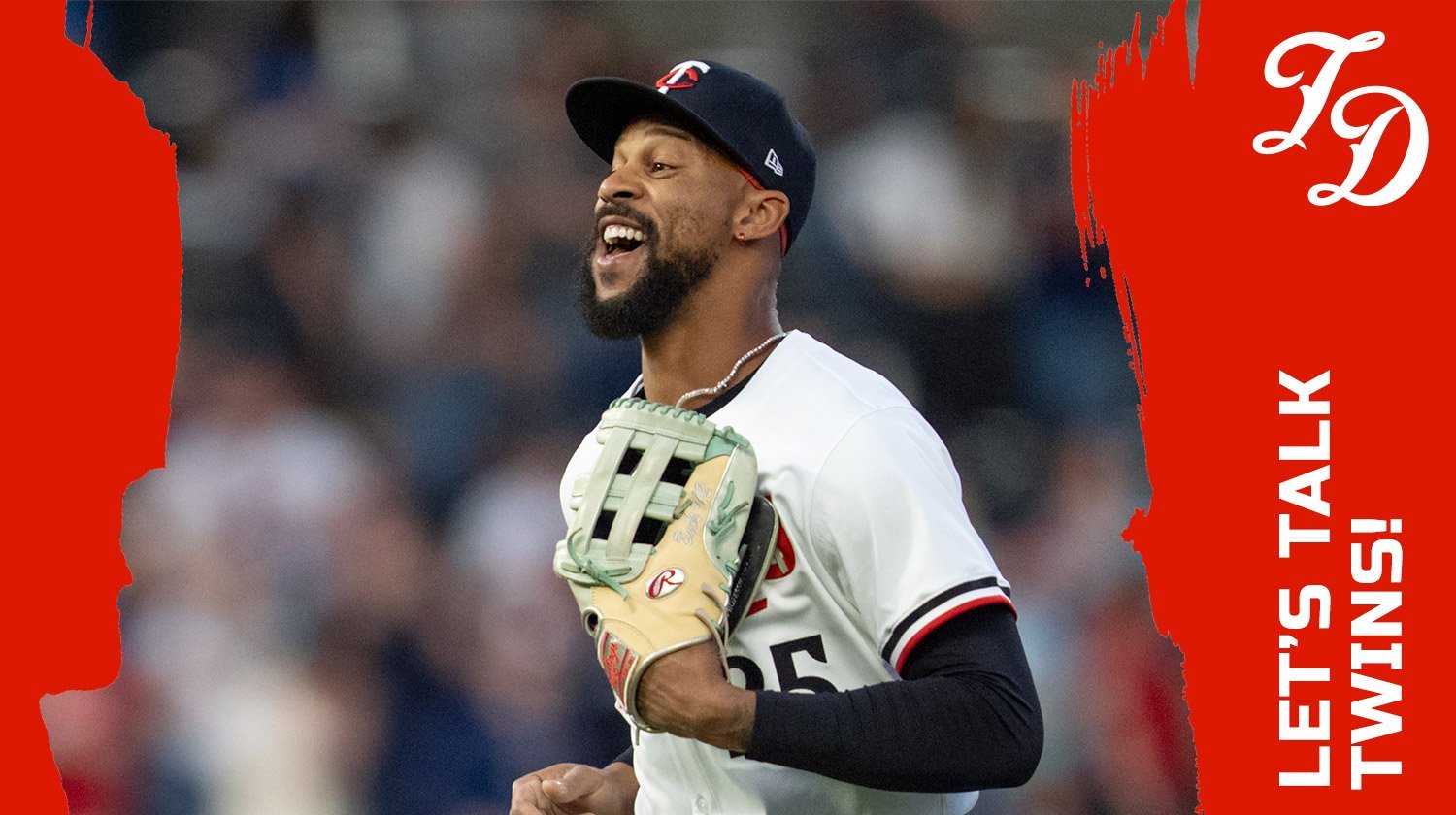
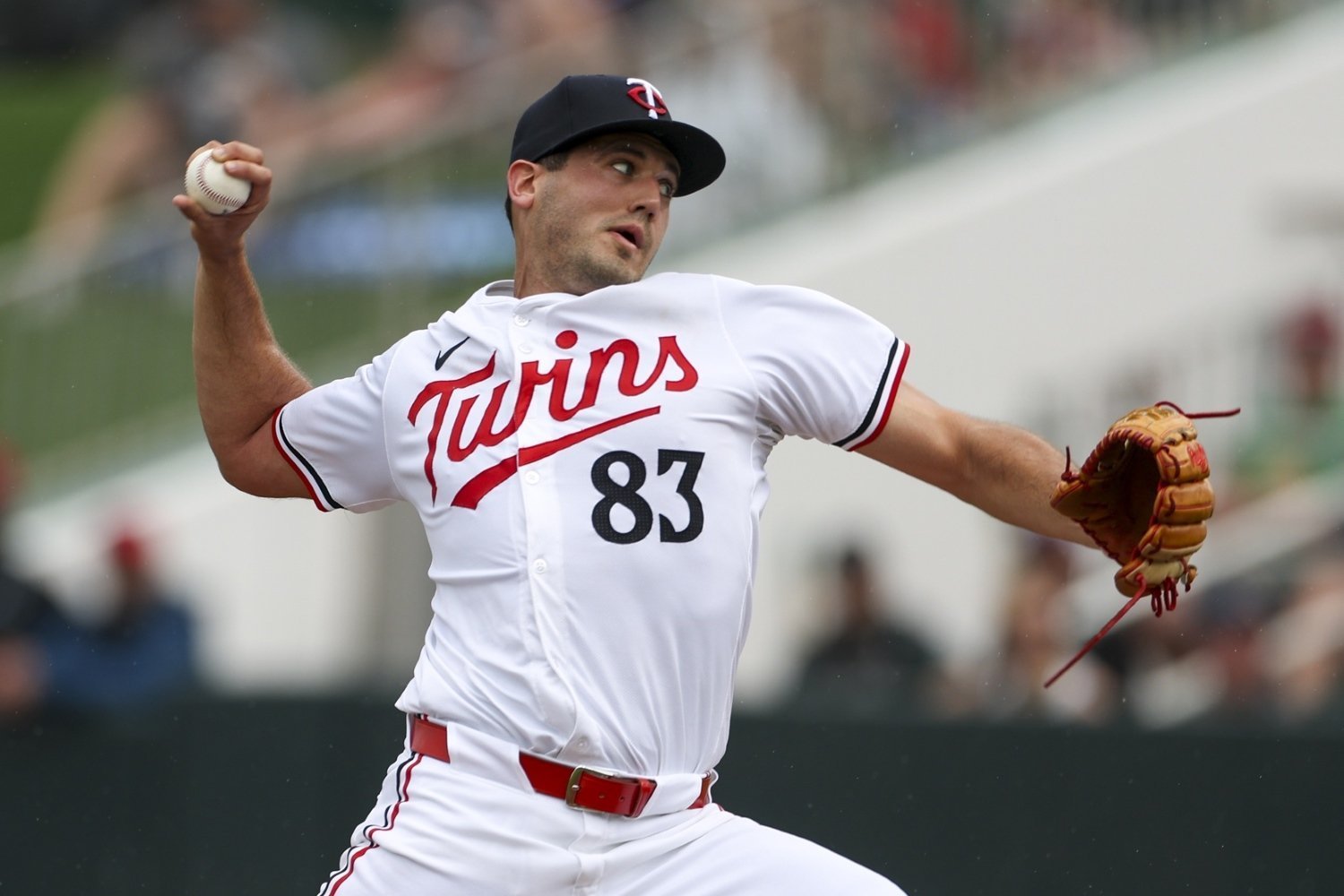
Image courtesy of © Nathan Ray Seebeck-Imagn Images
The MLB Draft is one of baseball’s biggest guessing games. Every front office hopes to find the next cornerstone star, but for every success story, countless players never make it to Target Field. As the 2019 class reaches the end of its initial professional contracts, several members can now become minor league free agents if they are not added to a 40-man roster this offseason. It’s a good time to look back at that group and see where the picks have landed.
First Round: SS Keoni Cavaco, 13th Overall
The Twins took a big swing when they selected Cavaco in the first round. At the time, he was seen as a raw talent with high upside, but that gamble never paid off. Cavaco never advanced beyond High-A in the Twins system and hit just .176/.244/.301 over 93 games at that level in 2024. After being released, he made a surprising transition to the mound with the Houston Astros organization. he began 2025 with the Chicago Dogs of the independent American Association. As a pitcher, he posted a 4.10 ERA with a 1.30 WHIP and a 53-to-27 strikeout-to-walk ratio in 79 innings. Meanwhile, players like Bryson Stott and Corbin Carroll, who were picked just a few spots later, have blossomed into MLB regulars.
Supplemental First Round: OF Matt Wallner, 39th Overall
Wallner’s 2025 season was a bit of a roller coaster, but his 110 OPS+ shows that his bat remains a valuable part of Minnesota’s lineup. His power remains his calling card, though his defense is a work in progress. With Emmanuel Rodriguez and Walker Jenkins moving closer to the majors, the Twins might look to use Wallner more at designated hitter or first base in the future.
Second Round: RHP Matt Canterino, 54th Overall
Few Twins prospects have been as intriguing as Canterino when healthy. His electric stuff and strikeout ability were undeniable, but injuries repeatedly interrupted his rise. After dealing with elbow and shoulder surgeries, he was released and re-signed on a two-year, minor league deal last spring. In limited action over his career, he owns a sparkling 1.48 ERA with a 39.1% strikeout rate across 85 innings. If he can finally stay healthy, he still has the tools to impact a big-league bullpen.
Third Round: Spencer Steer, 90th Overall
Steer is one of the most successful outcomes of this class, even if it came from another organization. The Twins traded him to Cincinnati as part of the Tyler Mahle deal, and Steer has since become a fixture in the Reds lineup. Through nearly 490 games, he has posted a .243/.329/.421 (.750) slash line with a 101 OPS+, showing slightly above average production.
Fourth Round: IF Seth Gray, 119th Overall
Gray reached Triple-A but never quite broke through. He had a .763 OPS across Double- and Triple-A in 2023 before being released the following spring. He spent time in independent ball after that but did not play professionally in 2025.
He is now working in the construction industry with his dad at J. Gray Exterior Designs in Springfield, Ohio.
Fifth Round: UTL Will Holland, 149th Overall
Holland has continued to grind through the upper minors, spending most of last year with St. Paul. His .197/.296/.341 (.637) line wasn’t enough to push for a big-league look, though his defensive versatility at shortstop and center field gives him some value. At 27 years old, his window with the Twins could be closing. He becomes a minor-league free agent when the World Series ends.
Sixth Round: RHP Sawyer Gipson-Long, 179th Overall
Gipson-Long found his way to Detroit after the Twins dealt him for reliever Michael Fulmer in 2022. Since then, he has made 12 appearances in the majors with a 5.44 ERA and a 1.21 WHIP. He debuted in 2023. He missed the 2024 season with Tommy John surgery and his 2025 season started a little bit late too. His minor league numbers have shown enough to keep earning opportunities with the Tigers.
Seventh Round: INF Anthony Prato, 209th Overall
Prato was a steady performer in the Twins system but never earned a call to the majors. After three strong years in Triple-A, he was released in August. The Pirates quickly picked him up, but his bat went quiet, and he finished the year with a .528 OPS at their Triple-A affiliate. Like Holland, he will become a free agent after the World Series.
Eighth Round: RHP Casey Legumina, 239th Overall
Traded to the Reds for Kyle Farmer, Legumina bounced to Seattle this past spring. With the Mariners, he appeared in 48 games and pitched 49 2/3 innings, posting a 5.62 ERA and a 1.45 WHIP. His mid-90s fastball has kept him on the radar, but consistency remains an issue.
Ninth Round: LHP Brent Headrick, 269th Overall
Headrick’s perseverance paid off after being claimed off waivers by the Yankees in February. He debuted with the Twins in 2023 and missed almost all of the 2024 season with an elbow injury. In 17 major league appearances this season, he put together an impressive 3.13 ERA and a 1.04 WHIP, making him one of the quiet success stories of this draft class.
Tenth Round: RHP Ben Gross, 299th Overall
Gross was a senior sign out of college and advanced quickly through the lower minors. He topped out at Double-A but spent most of the 2022 season on the injured list. Not recovering real quickly, Gross retired in the spring of 2023. Like many college arms drafted in later rounds, he provided organizational depth but didn’t stick long term.
Other Notable Picks
A few late-round selections from this class have made a real impact. Cody Laweryson debuted for the Twins this season and could factor into the bullpen picture in 2026. Louis Varland turned into a hard-throwing reliever before Minnesota traded him to Toronto at this year’s deadline. Now, he’s one of the team’s highest-leverage arms for their World Series team. And Edouard Julien, the 18th-round pick, played a key role in the 2023 playoff run before struggling the last two years. He’s a candidate for non-tendering this winter.
When the Twins look back on the 2019 class, the results are mixed at best. They hit on some later-round finds and landed players who brought back major league talent through trades, but their first-round pick never materialized. It’s a reminder that the MLB Draft is as unpredictable as the game itself. Some names fade, some resurface in new roles, and a few still find ways to make an impact years later.
What stands out about this group? Leave a comment and start the discussion.