
Image courtesy of Twins Daily
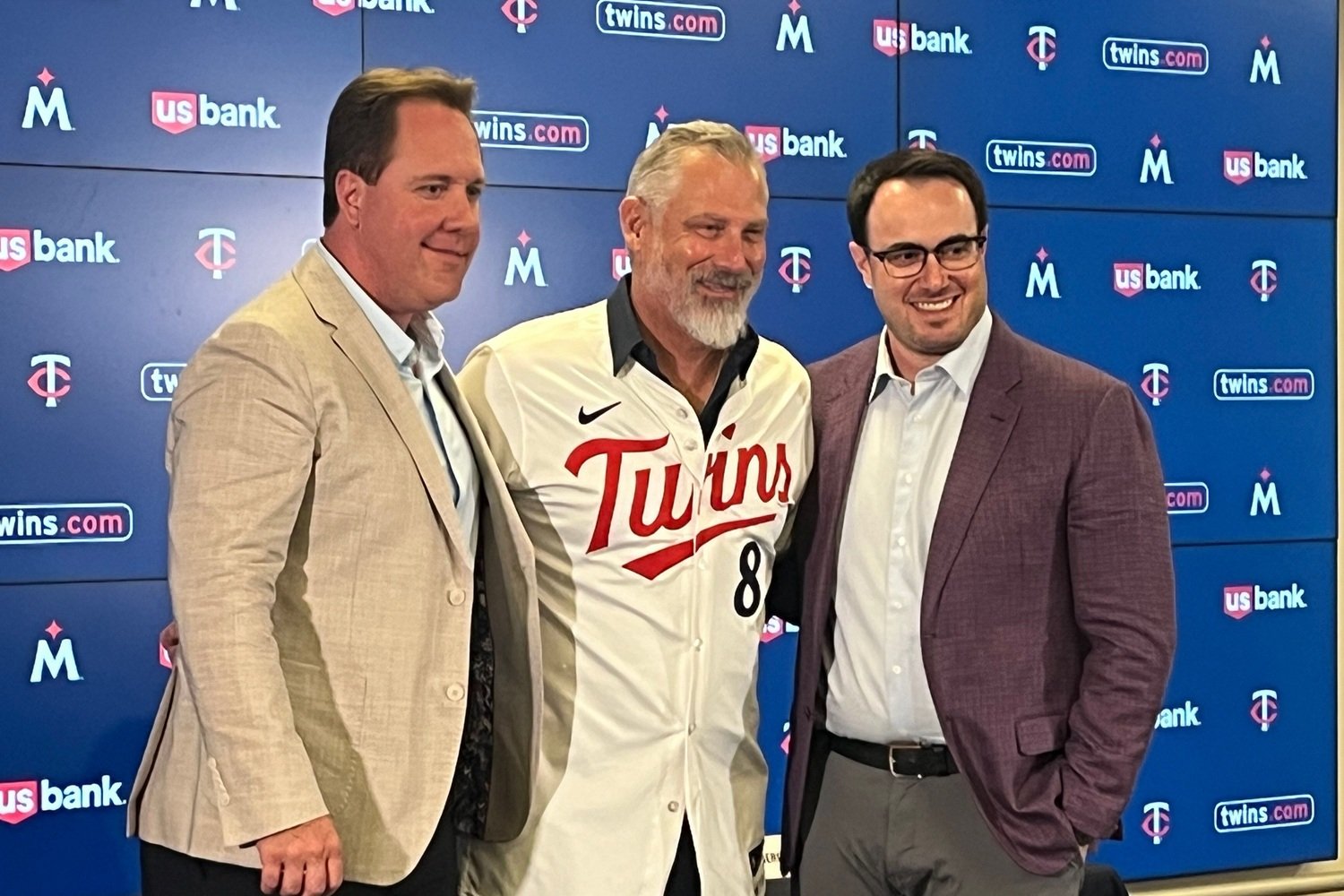
The Minnesota Twins believe Derek Shelton is ready for his second act as a big-league manager. After six challenging seasons leading the Pittsburgh Pirates, he now takes the reins in Minnesota with lessons learned, perspective gained, and a model to follow. One of the best modern examples of that kind of professional rebirth is Terry Francona.
Before he became a two-time World Series champion with the Boston Red Sox, Francona failed in Philadelphia. Over four seasons with the Phillies, he posted a 285-363 record with a .440 winning percentage and never won more than 77 games. The franchise was rebuilding, the roster was limited, and Francona was a young manager still learning how to navigate the daily grind of the major leagues. That failure, though, became foundational.
Without the hard lessons in Philadelphia, Francona might never have become the calm, steady leader who helped break Boston’s 86-year curse. He won World Series titles in two of his first four seasons on the Red Sox bench. He went on to Cleveland and helped them win their first AL pennant since the late 1990s. Throughout his career, he has become one of the most respected managers of the modern era.
Shelton hopes to travel a similar path. After his dismissal in Pittsburgh, he spent his first summer at home since his playing days reflecting on what went wrong and how he could approach things differently if given another chance. That process caught the attention of Twins president of baseball operations Derek Falvey, who has long admired Francona’s willingness to own his early missteps.
“People that spend time reflecting on what they would do differently, I think give themselves a much better chance to learn from that experience,” Falvey said. “He gave very specific examples of things he would have done and would have handled differently, and I think that was a real strength of his in the process.”
Falvey’s connection to Francona goes back to their years together in Cleveland. He saw firsthand how Francona’s lessons from Philadelphia shaped his leadership style with the Guardians. Francona often credited that difficult first job for giving him the humility and adaptability that defined his later success. It is no surprise that Falvey saw something similar in Shelton’s reflections.
Shelton has already acknowledged that managing a big-league club is an entirely different challenge from any previous baseball role. “When I left here, I thought I was really prepared to manage because I’d been given a lot of responsibility,” Shelton said. “But you’re never ready until you sit in the chair. You’re never ready until different things come your way. I think those experiences are what help build you moving forward.”
That mindset aligns perfectly with how Francona rebuilt his own career. He embraced his mistakes, surrounded himself with trusted voices, and developed a better understanding of how to manage both players and expectations. Shelton, too, will need to show growth in how he connects with his roster, handles bullpen decisions, and navigates the ups and downs of a long season.
The Twins are betting that the man who once helped shape their hitters and culture as a bench coach can now lead a clubhouse that has failed to live up to expectations in recent seasons. It will not be easy, but history shows that baseball often rewards those who learn from failure.
Francona’s career proves that the first opportunity does not define a manager. Derek Shelton’s second chance in Minnesota will be his opportunity to prove that the lessons from Pittsburgh can pave the way for long-term success.
What do you think? Can Shelton follow Francona’s path and turn lessons from his first job into lasting success with the Twins? Leave a comment and start the discussion.