
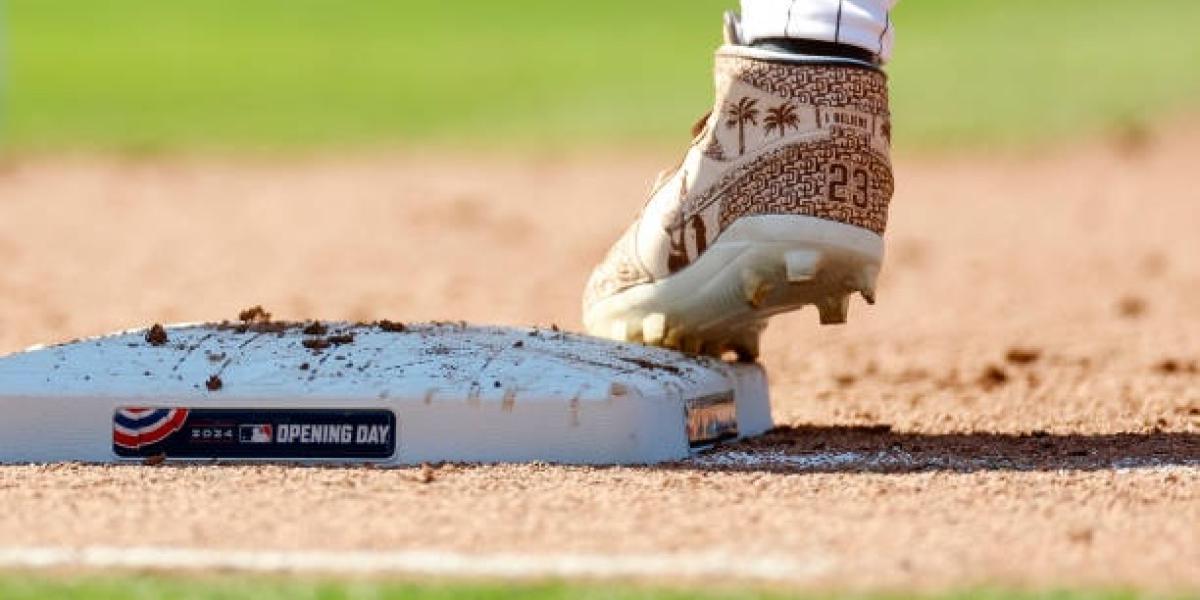
The San Diego Padres are preparing to hit the market. The owners of the Major League Baseball (MLB) franchise, the Seidler family, have announced that they are considering a potential sale of the team.
The transaction could become the most expensive in MLB history, with an estimated valuation of $2.75 billion, according to Bloomberg. For now, it remains unclear whether any buyers have emerged.
If completed, the deal would surpass the $2.4 billion purchase of the New York Mets made by businessman Steve Cohen in 2020.
Recent years have seen several major acquisitions in MLB, including executive Patrick Zalupski’s $1.8 billion acquisition of the Tampa Bay Rays.
The Minnesota Twins also briefly explored a potential sale before the Pohlad family withdrew the franchise from the market, opting instead to bring in new investors.
The Padres’ strong financial performance—surpassing $500 million in revenue in 2025—and their significant pull in the local market, as the second-most attended MLB team behind the New York Yankees, are among the factors leading the Seidler family to consider a sale.
“The family has decided to begin a process to evaluate our future with the Padres, including a potential sale of the franchise.
Throughout this process, and as we prepare for the 2026 season, the Padres will remain focused on our players, employees, fans, and community, dedicating all available resources to winning a World Series championship.
We maintain our firm commitment to this team, its supporters, and the San Diego community,” said John Seidler, Padres chairman, in an official statement.
Speculation surrounding a potential sale has been ongoing since Sheel Seidler filed a lawsuit in January challenging her family’s control of the team following the death of her husband, Peter Seidler, in 2023.
Meanwhile, MLB is preparing to bring its next package of media rights to market, valued at more than $550 million, as it nears multiple agreements with various broadcasters and over-the-top (OTT) pay-TV platforms for domestic distribution in the United States.