
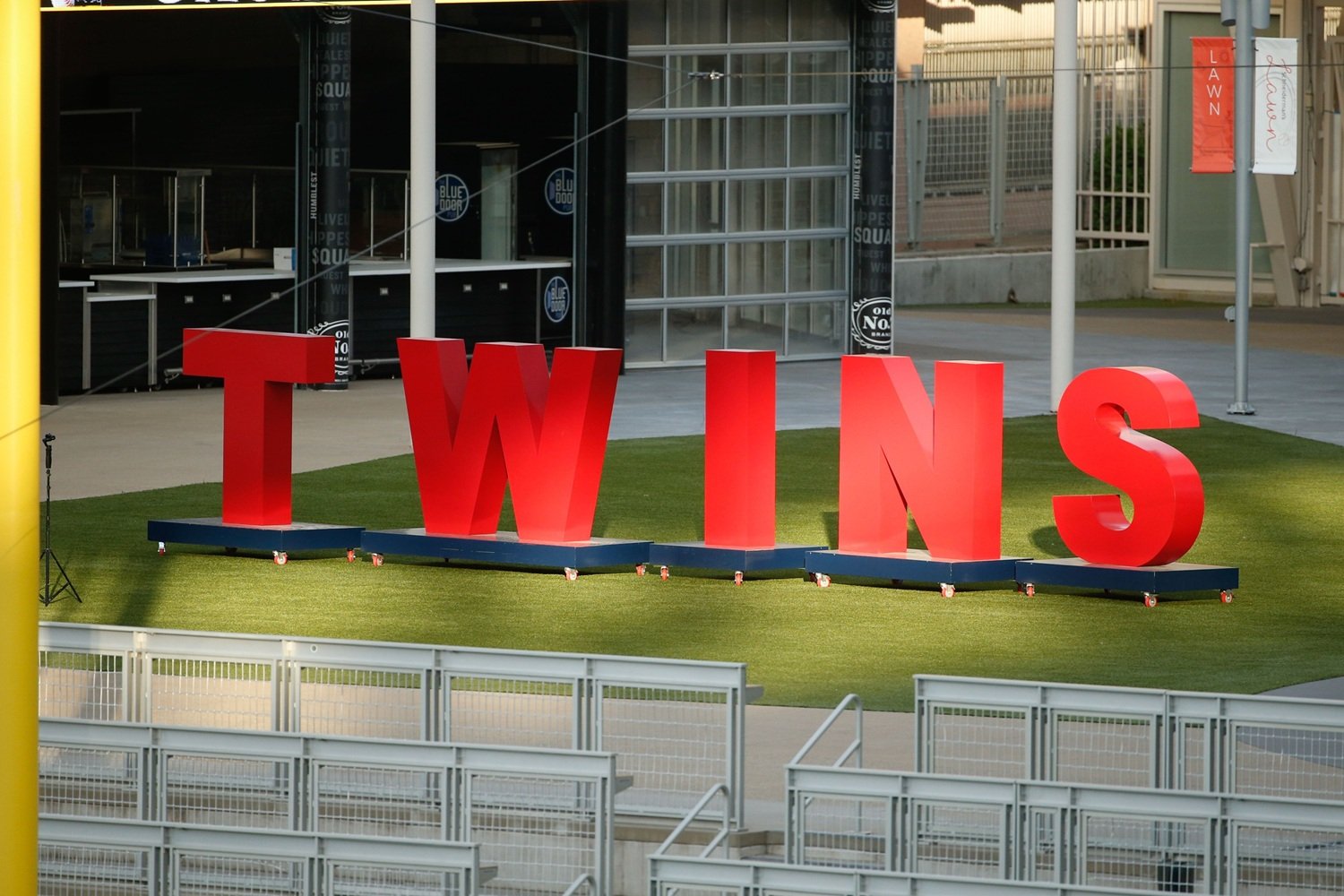
This afternoon, Major League Baseball announced the anticipated new media-rights agreement granting ESPN rights to distribute local games for six teams beginning in the 2026 season—including the Minnesota Twins. While this represents a significant change in the league’s broader TV and streaming strategy, Twins fans can relax; nothing changes about how you watch games.
In-market streaming: Twins.TV will continue to carry all in-market games for fans in Minnesota, North Dakota, South Dakota, and parts of Wisconsin and Iowa.
Out-of-market streaming: MLB.TV remains the option for out-of-market viewers (with the usual blackout rules).
The MLB.TV and Twins.TV bundle will remain available.
Traditional TV: The deal does not affect 2026 local television distribution. You should continue watching on the same carrier, same channel, and same subscription tier you used last year.
In addition, MLB will gain an additional distribution lane and may choose to stream select games on the ESPN app or related platforms. Those specifics haven’t been announced, but whatever ESPN adds will be in addition to, not instead of, Twins.TV or your current TV provider.
In addition, this deal should not affect the broadcasts themselves, as it is a distribution rights deal, and doesn’t affect the production of the broadcasts.
After last season’s rocky rollout of Twins.TV (including late carrier announcements and MLB server issues on Opening Day), this stability is a welcome development. Fans will be able to watch exactly as Twins Daily’s TV/Streaming Guide directed you to in 2025: Twins.TV for streaming, and the same TV provider and channel for cable/satellite.
From that standpoint, the announcement is straightforward, but it represents a much bigger deal to MLB. This is an early step toward consolidating national television and streaming rights, which is an especially important development for smaller markets. Unlike the NFL or NBA, where the bulk of television money is shared, local television revenues represent a major difference between large- and small-market teams in MLB. The hope is that grouping most MLB teams into a single deal will help address that inherent disparity.