
18.11.2025 16:53
source: StadiumDB.com; author: Paulina Skóra
The new ownership group of the Tampa Bay Rays – Patrick Zalupski, Bill Cosgrove and Ken Babby – has announced that the team will remain in St. Petersburg for now, while simultaneously launching an intensive search for a site to build a new long-term stadium in the Tampa Bay region.
Plans in the shadow of the return to Tropicana Field
During a press conference at Steinbrenner Field in Tampa, the new owners presented a clear vision. The centerpiece is a domed ballpark with a fixed roof, surrounded by a sprawling mixed-use entertainment district modeled after The Battery in Atlanta. We need a new, permanent home to ensure the Rays’ long-term future in Tampa Bay. We are looking for at least 100 acres for the stadium and the surrounding development, Zalupski emphasized.
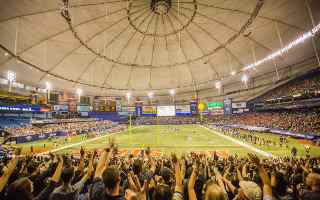
Despite these long-term ambitions, the Rays are obligated to play at Tropicana Field for three more seasons. The ballpark is still undergoing costly rebuilding after hurricane damage — a $60 million project that includes a roof replacement and interior repairs. Babby assured fans that the stadium will be ready for the 2026 season and that supporters will clearly feel an improved experience upon returning.
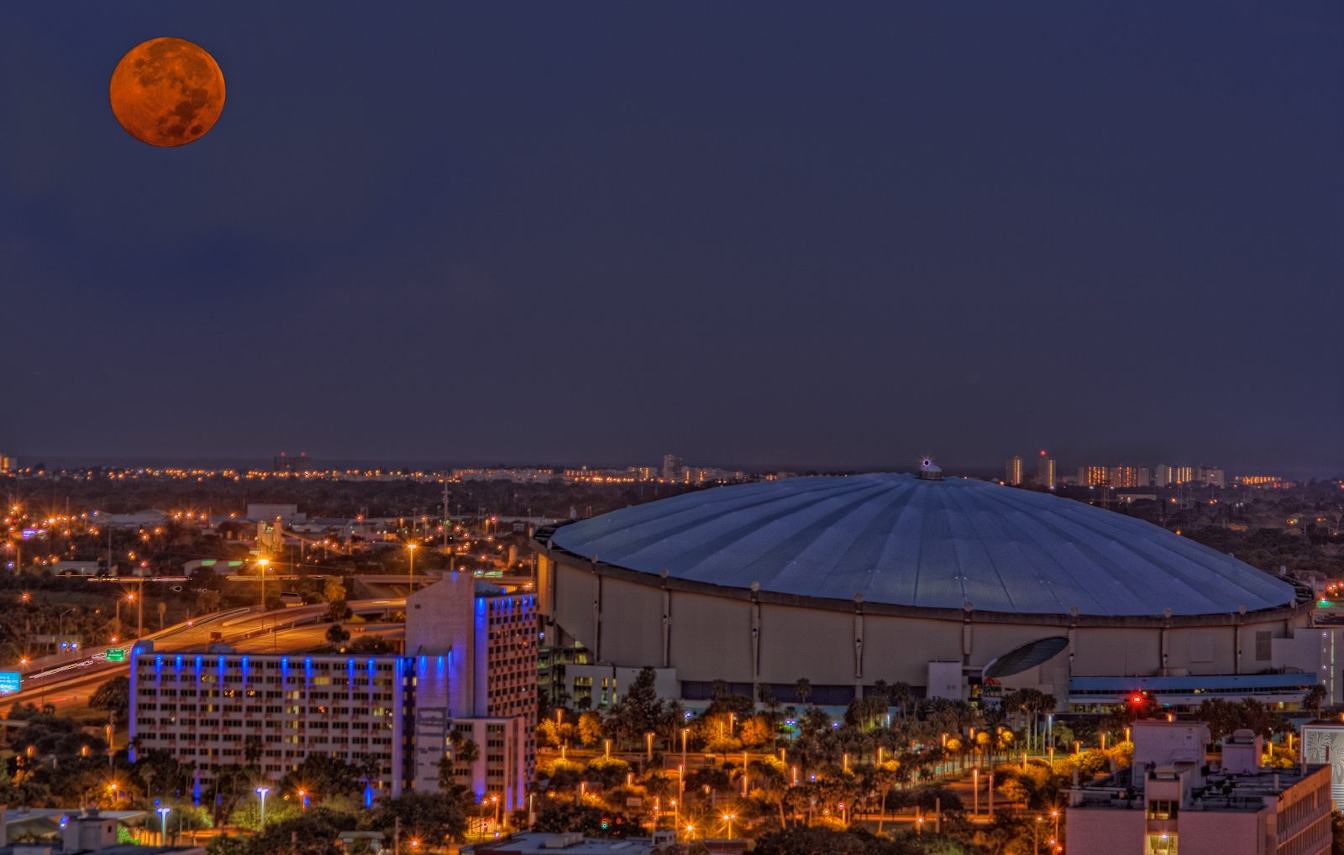 © Matthew Paulson (cc: by-nc-nd) | Tropicana Field
The new stadium: criteria, locations and early talks
Zalupski stated that the club is not limiting itself to a single location, with talks ongoing in both Hillsborough and Pinellas counties. Only a few sites meet the 100-acre requirement, though the list of potential options remains broad.
Potential sites include the Dale Mabry Campus of Hillsborough College, offering 108–125 acres adjacent to Raymond James Stadium and Steinbrenner Field; the land is state-owned, complicating procedures but also making the project politically feasible. Another option is the Florida State Fairgrounds — over 330 acres in a central location under full state ownership, though any sale would require approval from the governor and the Cabinet Board.
Also under consideration is the Gas Plant/Tropicana Field area in St. Petersburg, ranging from 86–95 acres depending on configuration, although previous redevelopment plans collapsed after Hurricane Milton. Ybor Harbor remains a potential location as well, though currently too small (33 acres) for the project’s assumptions, despite having once been considered a leading candidate. Additional possibilities include WestShore Plaza, Rocky Point, Derby Lane, and various private properties that could be combined into a larger complex.
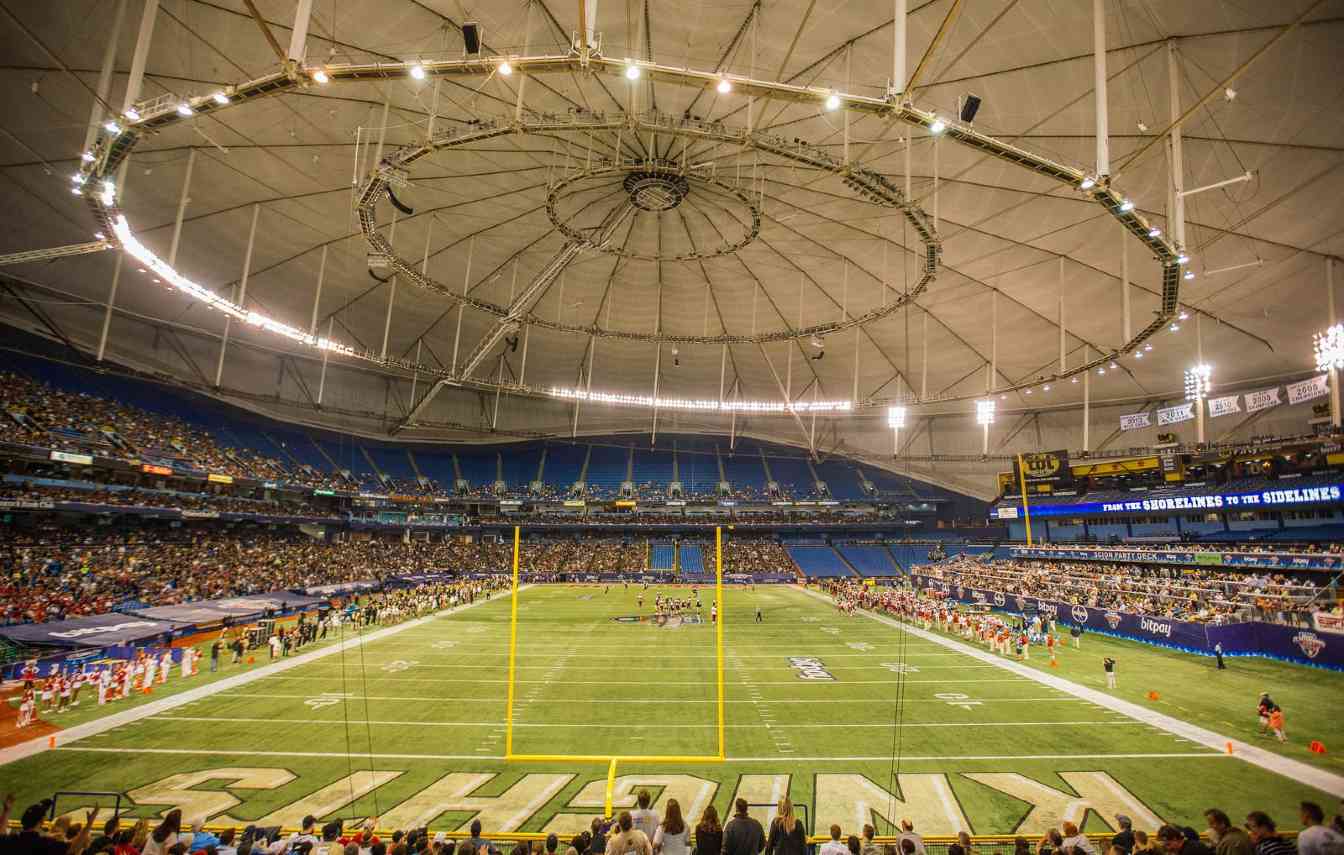 © CityofStPete (cc: by-nc) | Tropicana Field
Financing – the debate Is only beginning
A key component of the investment will be a public-private partnership, already fueling debate among local politicians. Zalupski openly acknowledges that without public funding, a project of this scale may be difficult to achieve. Yet Tampa and Hillsborough are already facing budgetary pressures: sports investments compete with infrastructure and social needs, and many council members openly criticize subsidizing a private club.
A recent poll found that 64% of residents believe the new stadium should be funded entirely with private money. Others support a public-private partnership only if it delivers real benefits to locals and ensures reasonable ticket prices. The new owners admit that 2029 is an ambitious target, but stress that delays could hurt the club’s competitiveness. Without additional revenue sources, it’s difficult to compete with the largest MLB markets, Zalupski said.
At the same time, continuity and stability are highlighted. Stu Sternberg, who led the franchise for 18 years and oversaw multiple periods of success, remains a minority owner. The new leadership insists that baseball decisions will still be made by Erik Neander and Kevin Cash.