
CLEVELAND, Ohio — Every winter, as baseball’s hot stove boils, if you listen closely you can hear the same old whispers whipping on the wind through the frozen wrought iron gates at Progressive Field: Blow it up. Spend big. Make a splash. Do something dramatic.
And every winter, the same truth remains: the Guardians do not need to cast asunder their long-term plans to chase a World Series title. They do not need to trade away valuable and affordable prospects, or empty their farm system, or throw multi-million dollar contracts at mid-level free agents who do not pan out.
What they need is a level head, a steady hand and the confidence to stick with the blueprint that has already delivered three decades of sustained success.
Fans may cringe at the idea of “patience,” but after 31 years of winning baseball, it is not just a suggestion — it is the only way forward.
In the Jacobs Field/Progressive Field era, the Guardians have been one of baseball’s most consistently successful franchises. Only a handful of teams — the Dodgers, Yankees and Cardinals — can match Cleveland’s output of postseason appearances, division titles and competitive seasons.
Consider their résumé: 15 playoff appearances since 1995, three trips to the World Series and 11 American League Central Division titles. Cleveland’s 1,101 wins since 2013 rank third behind only big-market goliaths like the Yankees (1,128) and Dodgers (1,222).
That is not mediocrity. It is not a sign of a franchise wandering aimlessly in search of an identity. The Guardians know exactly who they are and what works for them, and a smart franchise does not throw that away just because teams are out there spending millions and signing shiny new free agents.
Cleveland’s competitive advantage has never been in outspending the league. That is not their lane, and that’s fine. What they do better than almost anyone is develop elite homegrown pitching, identify veteran relievers who can provide depth in their bullpen and rehabilitate injured veteran arms with high ceilings who could help them down the road.
Their most successful position player, José Ramírez, is a homegrown talent who worked his way up from humble beginnings to become one of baseball’s elite superstars. While Ramírez and All-Star Steven Kwan were developed in-house, their success appears to be an outlier for a club that has struggled to develop hitters at the same rate it finds talent on the mound.
But over the years, president of baseball operations Chris Antonetti and general manager Mike Chernoff have also become adept at maintaining roster flexibility and working within the financial realities of their market size. They know that those strengths would evaporate the moment they started recklessly trading prospects or handing out contracts that are more wishful thinking than wise investment. For Cleveland, “blowing it up” is not a bold idea. It’s self-destructive.
The fan instinct is understandable: Do something big so we can win big. But wild offseasons rarely result in the kind of big parades Guardians fans are looking for, unless you’re the $350 million Dodgers.
Recent history is littered with teams that tried to buy success in October. The Padres spent recklessly since 2023 and have one playoff series win to show for it. The Mets built a historic payroll — and fell short of the playoffs in 2025. Even the Yankees, with their perceived ability to buy as much available talent as possible, have the same number of World Series appearances as Cleveland (one) since they last won the Fall Classic in 2009.
Splashy rarely equals successful, with the exception of LA’s historic run since forking over $700 million for a generational talent in Shohei Ohtani.
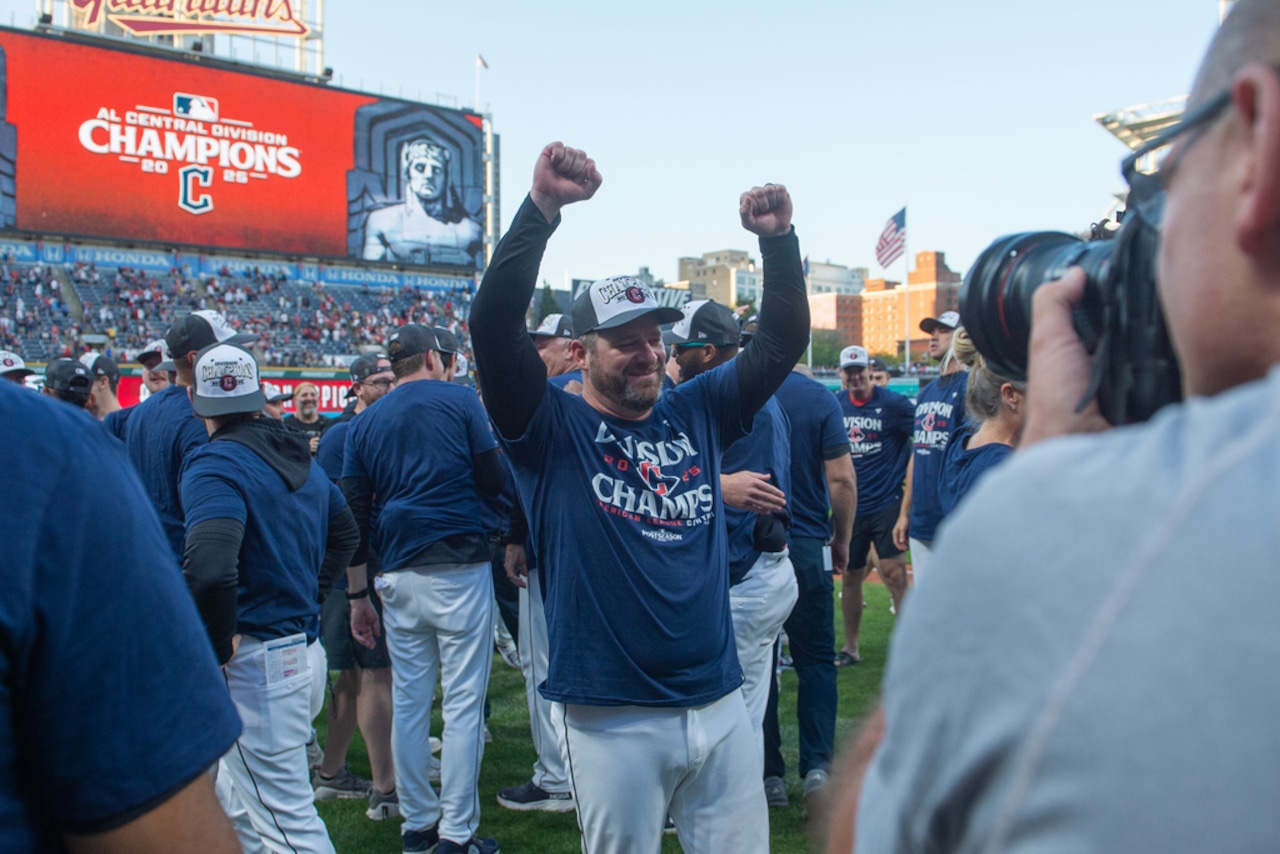
But Cleveland’s quieter, smarter model has kept the franchise competitive without jeopardizing its future. The current roster is not a fragile, one-year opportunity that demands a desperate lunge. The club has identified a smart and savvy leader in Stephen Vogt, who has shown the ability to get the most out of his players, even in the face of tremendous adversity.
Vogt and his staff have helped open a multi-year competitive window supported by a deep, young starting pitching rotation pipeline, a controllable core of position players and a bullpen that remains one of baseball’s best, despite apparently having to move forward without one of the game’s elite closers as Emmanuel Clase remains under investigation for federal gambling crimes.
The Guardians don’t need a teardown. They need refinement — a bat here, a platoon advantage there, maybe an experienced starter or versatile bench piece. And Antonetti and Chernoff have proven adept time and again at identifying those interchangeable parts.
Championships are not typically won by teams that swing wildly for the fences in the offseason. They’re won by teams that give themselves repeated chances until one October finally breaks their way. Cleveland’s approach is designed to do exactly that.
Frustration is part of being a fan. Seventy-eight years without a World Series title is long enough to make anyone crave urgency over stability. But impatience is not a strategy.
The Guardians front office has a responsibility to be smarter than the emotions of the moment. Their job is to make decisions that keep the window open — not chase the illusion of a quick fix that closes it prematurely. Antonetti and Chernoff do not need to reinvent the wheel. They must continue what they already do well: develop players, identify value and invest in sustainable success.
Like it or not, Cleveland has been knocking on the door for 31 years, and there are several franchises that would trade success rates with the Guardians in a heartbeat. Their model has kept them in the hunt far more often than it’s kept them out of it.
The Guardians don’t need a splash. They don’t need to blow it up. They just need to stay who they are.