
This piece originally appeared in our twice-weekly sports newsletter Section 415. Sign up for the newsletter here and subscribe to the Section 415 podcast wherever you listen.
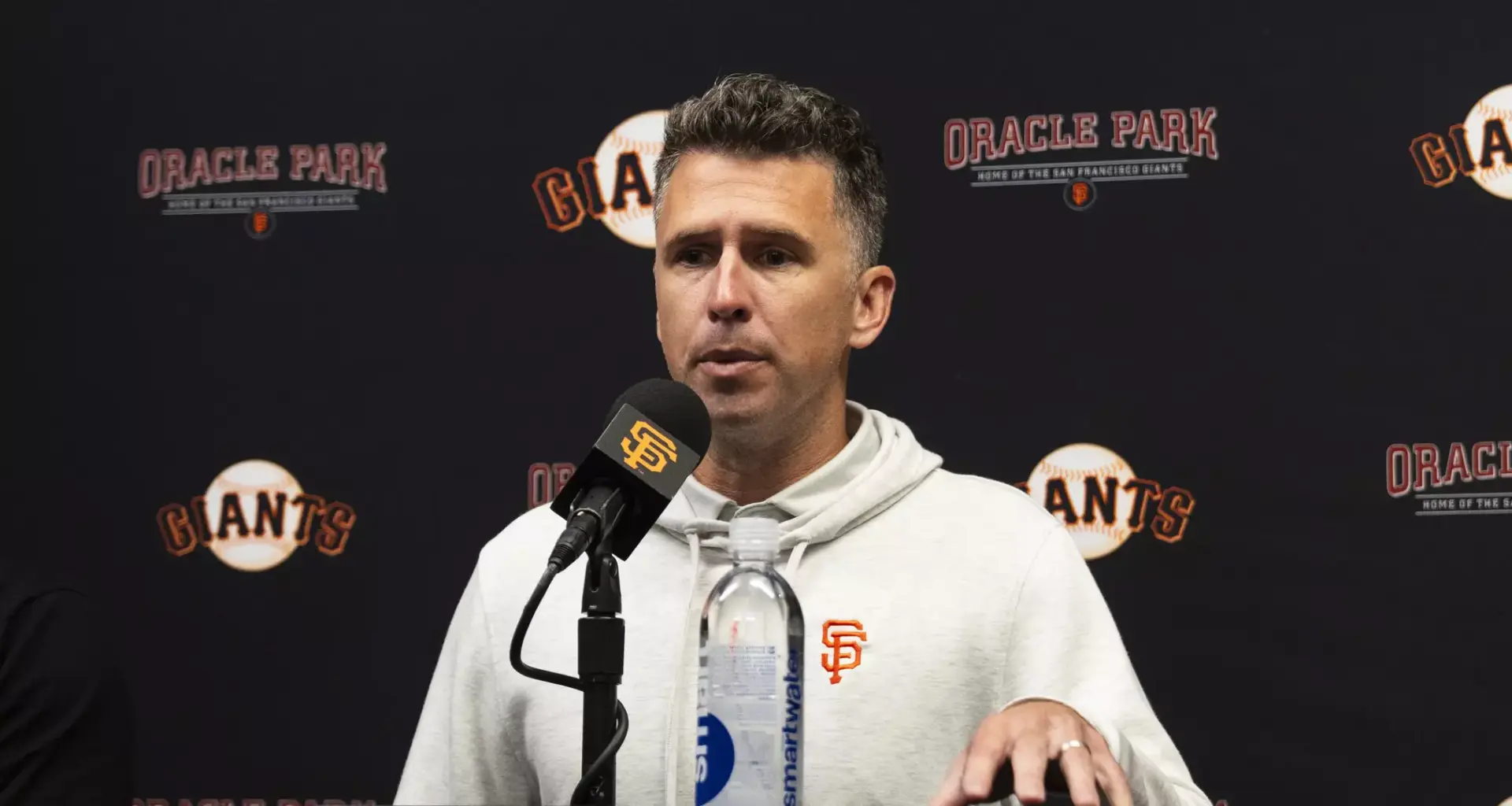
In the minutes following Tony Vitello’s introductory press conference last month at Oracle Park, Giants Chairman Greg Johnson provided an important clue about how the franchise planned to approach the offseason.
Asked if the Giants could sign a pitcher for $100 million or more this winter, Johnson told The Standard, “I’d say we’re going to be very cautious about those kinds of signings.”
Johnson didn’t rule out adding top free-agent pitchers, but the Giants haven’t handed out a nine-figure deal to a pitcher since Johnny Cueto signed a six-year, $130 million contract a decade ago.
Over the last two-plus years, the Giants have acknowledged that they need to pay up to lure top hitters to Oracle Park. Farhan Zaidi, the former president of baseball operations, signed Jung-Hoo Lee to a six-year, $113 million contract ahead of the 2024 season. Then, in Zaidi’s final days with the franchise, Matt Chapman agreed to a six-year, $151 million extension.
Shortly after Buster Posey replaced Zaidi, shortstop Willy Adames inked a seven-year, $182 million deal that marked the biggest financial commitment in Giants history. Just seven months later, Posey traded for Rafael Devers, agreeing to assume the remaining eight-plus years and more than $250 million the Red Sox owed the left-handed hitting slugger.
Today

3 days ago

Tuesday, Nov. 25
Those contracts, and the Giants’ failures in MLB’s amateur draft, make pitching the organization’s top priority.
Bidding wars, at least in recent history, haven’t been kind to the Giants. And given his recent comments, it doesn’t sound like Johnson wants to get involved in many more for players seeking long-term deals.
“I think the risk is having too many people on similar six-year-type deals that create less flexibility to the payroll,” Johnson said. “I think you can always do things on a shorter basis, but you’ve got to be careful about having too many of your players being late 30s at a high-payroll level.”
With that mindset, the Giants probably won’t land Tatsuya Imai, Ranger Suarez, or Framber Valdez. They didn’t make a play for Dylan Cease, who this week signed with the Blue Jays for seven years and $210 million.
Sitting out the top end of the starting pitching market might make sense if Posey had a long list of pitching prospects poised to hit the majors next season.
But the Giants face a harsh reality.
Their farm system isn’t very good, and the prospects with the best shot at securing spots in the rotation — Keyner Martinez and Argenis Cayama — are probably years away from making their MLB debuts.
So how will Posey provide Vitello with a roster that’s capable of competing for a playoff berth? It’s possible the only pathway is through multiple trades.
The Giants almost certainly want to avoid trading top prospects Bryce Eldridge and Josuar Gonzalez, but moving coveted young talent might be the only way to land a frontline starter. Posey could probably add cost-controlled mid-rotation starters by trading away other prospects, but it’s fair to wonder if those types of arms will raise the ceiling for an 81-win team.
The front office may also look at trading active big leaguers such as Heliot Ramos, Casey Schmitt, or even two-time Gold Glove winner Patrick Bailey.
The Giants have a long list of needs, especially in the rotation. They have an ownership group that appears unwilling to continue handing out nine-figure contracts. Do the math, and a trade or two seems inevitable.
The only question is which prospects Posey and co. are willing to part with to procure the type of players capable of turning around a franchise that has accepted mediocrity for far too long.