
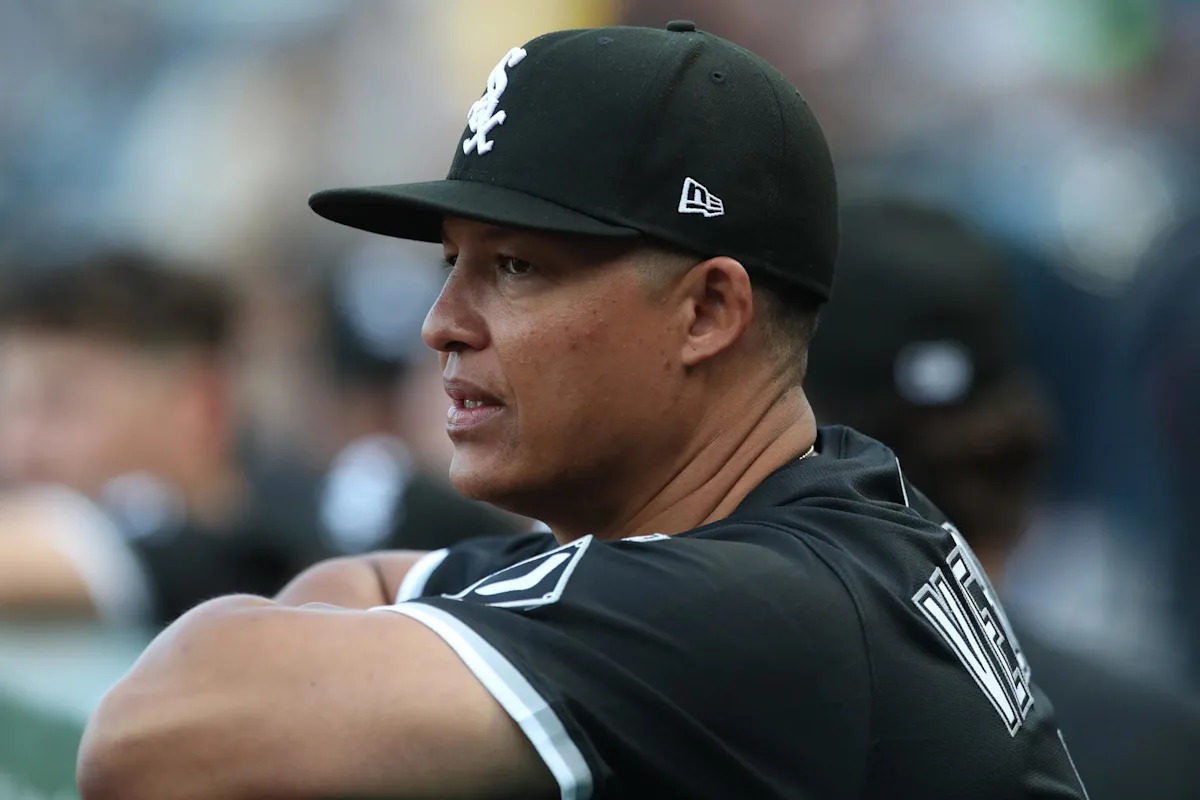
2025 represented the first real step forward for the Chicago White Sox.
It was the first season in which a budding young core began to show legitimate promise at the major league level—particularly during the second half. It was also the first year under new manager Will Venable, who helped the team improve by 19 wins compared to their previous mark under Pedro Grifol.
Advertisement
Venable’s hiring ushered in a wave of fresh voices on the coaching staff, including bench coach Walker McKinven. After a coaching purge this winter, the White Sox just reset their staff with several new hires who more closely align with the organization’s current vision.
Growth during a rebuild doesn’t rest solely on the players. It requires the front office to continue acquiring talent and building toward the future. And it requires coaches to look in the mirror each offseason and make year-to-year adjustments that put their players in the best position to succeed.
Venable is doing exactly that—but the area he wants to improve in 2026 may not be what you expect.
During an interview with Chuck Garfien on the White Sox Podcast from the MLB Winter Meetings in Orlando, Venable reflected on his first season as manager and assessed what he can do better moving forward.
Advertisement
His conclusion? He needs to coach more.
He wants to be more hands-on with his players and lean more heavily on his own experience as a former big leaguer.
“I think now that I know what this job entails, there’s just more coaching that I want to do,” Venable told Garfien. “That’s something I’m extremely passionate about—helping players at the field level get better. That’s something I want to spend more time on, and honestly, there’s probably room for that. I probably need to do it.”
“As I was trying to figure out what my day looked like in Year 1, now I think I’m in a good spot to be more aggressive in my coaching.”
Advertisement
For Venable, that starts with what he knows best: defense.
“I’m a defensive guy. That’s where, as a player, I really enjoyed my time—probably because I wasn’t a very good hitter,” Venable said. “But defense and the things we can do defensively—the pre-pitch technique, first-step quickness, all these things we’ve identified as really important to being a good defender—I think I can spend more time on the ground floor coaching those things with our guys.”
Venable may sell himself a little short as a hitter. He was never a middle-of-the-order bat, but his career .719 OPS and 102 OPS+ were above league average. In 2013, he posted a 22-home run, 22-steal season with a .796 OPS for the San Diego Padres. That will play in any era.
Still, Venable stuck around the big leagues even after his offensive value declined because of his defensive impact in the outfield. The highlight reels probably tell that story better than the metrics ever could.
Advertisement
And that’s exactly where the White Sox need to improve.
Part of the reason the organization non-tendered Mike Tauchman, in my view, is a push to get more athletic and more defensively sound across the diamond.
Derek Hill is one of the fastest players in Major League Baseball and a tremendous defensive outfielder. Everson Pereira brings real raw power and offensive upside, but also enough athleticism to hold his own in a corner outfield spot.
Expect any free-agent additions the White Sox make to follow that same mold.
The young core has shown a lot of promise. But want to know how you win more close games? You limit runs with your defense and execute in high-pressure situations.
Advertisement
I’m fully on board with Venable taking the next step as an MLB manager and adopting a more hands-on coaching approach. He’s proving to be the right man for the job in Chicago, and the White Sox are allowing him to build a staff in his image—one that aligns with his communication style and vision for the club.
The players responded well to Venable in 2025. And if he continues to grow into the job, the team’s performance should grow right along with him.
That’s all White Sox fans can ask for.