
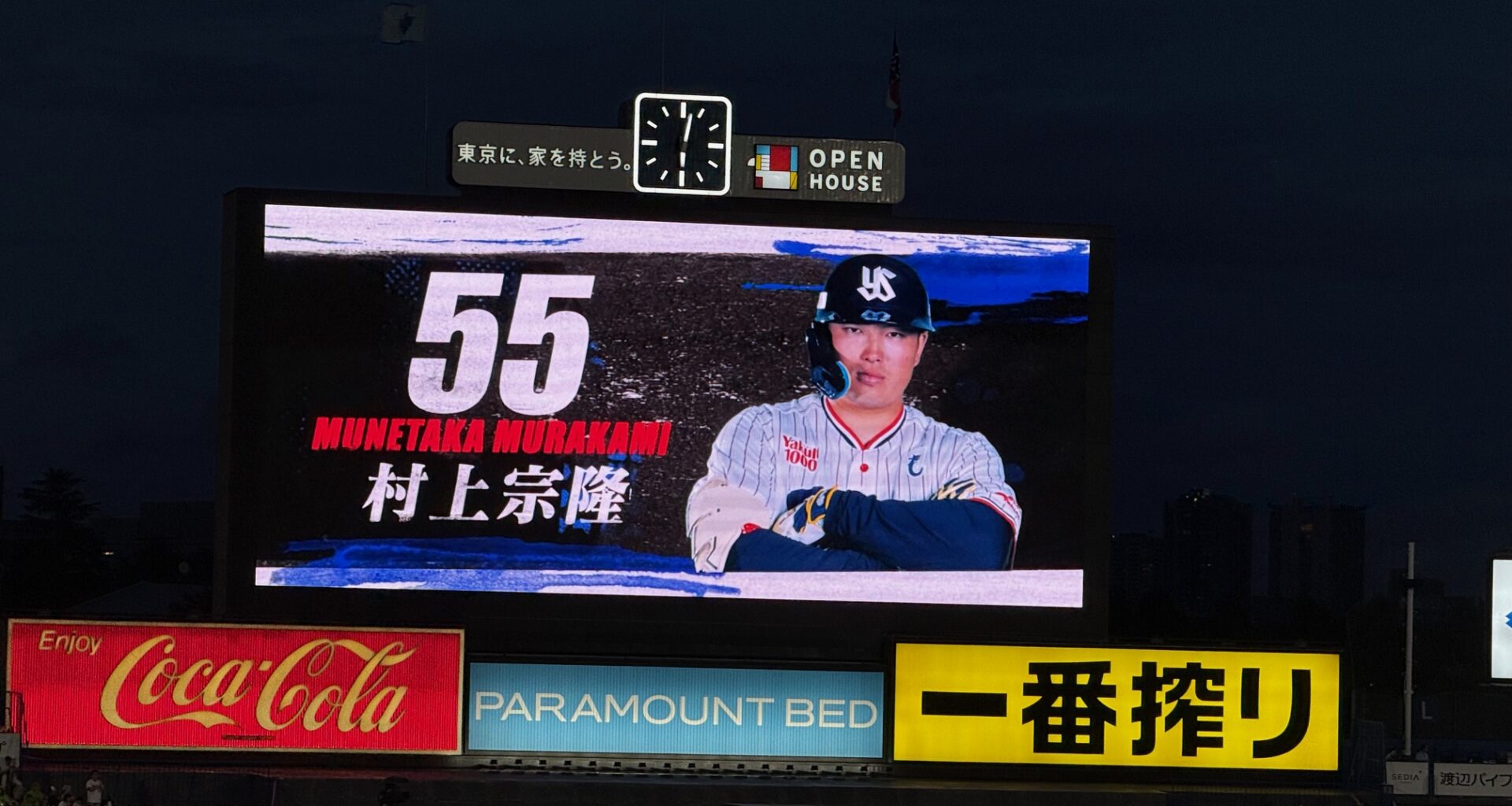
Two-time NPB MVP Munetaka Murakami is the largest free-agent signing in three offseasons of Chris Getz’s leadership of the White Sox, yet the announcement of his two-year, $34 million contract was largely met with surprise across the industry at how far his market had fallen from expectations that had initially drifted into the nine-figure range.
He’s been brought in to offer bat-first contributions to a bat-first position in first base, yet his history of elevated strikeouts and rock-bottom contact rates poses such risk that one rival evaluator, who seemed enthusiastic about being quoted, offered that Murakami’s value would be “likely a complete zero.”
With a .945 OPS and 265 home runs in 1,001 career games in NPB, Murakami is arguably the most professionally accomplished hitter the Sox have acquired via free agency, even including José Abreu’s legendary Serie Nacional history. Murakami’s addition is electrifying and intriguing in a fashion that a safer and perhaps more likely to succeed addition like Ryan O’Hearn couldn’t match. After years of having to extoll the value of infrastructure changes to the fan base while the on-field product remained an acquired taste, the Sox are now offering a genuine attraction; a player worth watching just to see if his game works in MLB, and one who will still provide the occasional jaw-dropping moonshot even if it he only halfway succeeds. Murakami is a story, a fascination, a compelling project whether he succeeds or fails, which is a boon to a franchise whose last three years have only earned national headlines when it failed at unprecedented levels.
Perhaps it’s because Murakami’s game offers such extremes, such potential for wild success or quickly obvious failure, that breaking down his pairing with the Sox seems to be ill-suited for sober analysis and feels more easily accomplished with unending quips. After all, this story of a marquee free agent with disappointing offers and a last-place team too ensconced in a rebuild to be scared off by bust potential, pairing up the day before Murakami’s posting window expired, is usually the sort of matchmaking reserved for last call.
In 2019, Joey Gallo — who until his pitching efforts take the next step, was last employed by the White Sox — made an All-Star team with a 59.7 percent contact rate. In 2021, he made the Midsummer Classic again with a 62.6 percent mark, just a shade below the 63.9 percent figure that Murakami managed last year. It can happen, as swings that reliably access top of the scale power can be productive at this bottom rung of contact ability. It’s just that no one has been working successfully in the low-60s since Gallo’s decline began shortly after ’21, and the paucity of bat-missing upper-90s heaters in NPB provide a level of uncertainty to the conversion rate for Murakami’s numbers — both good and bad.
In previous years where the White Sox were trying to fill holes on a potential contender, such a speculative bet for a crucial offensive role might be eyeroll-inducing. It would be akin to assuring that Nomar Mazara’s raw potential could be unlocked in his fifth big-league season, that Edwin Encarnacíon could maintain his production at age 37, or that Adam Eaton could shrug off the compounding effect of various injuries at 32. When those bets fail, multi-season efforts to build a winner are spoiled, and due to specific organizational quirks, it always resulted in a lot more Leury García plate appearances.
But blunt self-awareness, at least in how they view themselves in the market, is the new niche of this White Sox front office. With three straight 100-loss seasons on their ledger, they have looked around and concluded that Murakami busting and failing would not change their landscape much at all. Whereas if he succeeds, they’ll have acquired the reliable power bat they’ve sorely need, a potential mainstay/useful trade asset. They also will have provided a short-term attraction in either case, all for roughly the market price of signing Jorge Polanco.
It would be fair to ask what the ceiling really is for a likely below-average first base defender, who seems near-guaranteed to walk back to the dugout after 30 percent of his plate appearances without putting the ball in play. But anybody can conduct a basic analysis of the current White Sox roster and conclude that, in terms of being defensively limited, mostly unproven and with an uncertain path for utilizing his raw power in MLB games, Murakami fits in with all the other first base candidates the Sox had in-house, except that he’s left-handed and might sell some tickets.
The question that might really require Monday’s in-person press conference to answer — the first the Sox have held for a free-agent signing since Andrew Benintendi in January of 2023 — is where Murakami sees himself in all this. The White Sox offer a regular role to play against the highest level of competition in a ballpark that should make good use of his talents, but cannot offer the visibility or immediate assurances of contention that a player of Murakami’s accomplishments and popularity often desires. But with the way his free agent market played out, perhaps he’s in the same no-lose situation. The majority of the league has deemed Murakami to be the sort of power hitter who can dominate a lesser league, and if his two-year window with the White Sox falls flat, that’s exactly what he’ll return to being. But in the meantime, he’s got a chance to let it rip.
Ironically, it’s with skepticism toward how much their team would be built through high-end free agents that the White Sox have sought to re-establish themselves as a development-focused organization. They want to build a new reputation as a place players can come to find opportunity, and also get better, even knowing such a mutually beneficial arrangement could likely end with a bigger payday elsewhere. Now, their best chance to prove their new abilities to the industry at large, comes in the form of their biggest free-agency swing in years.