
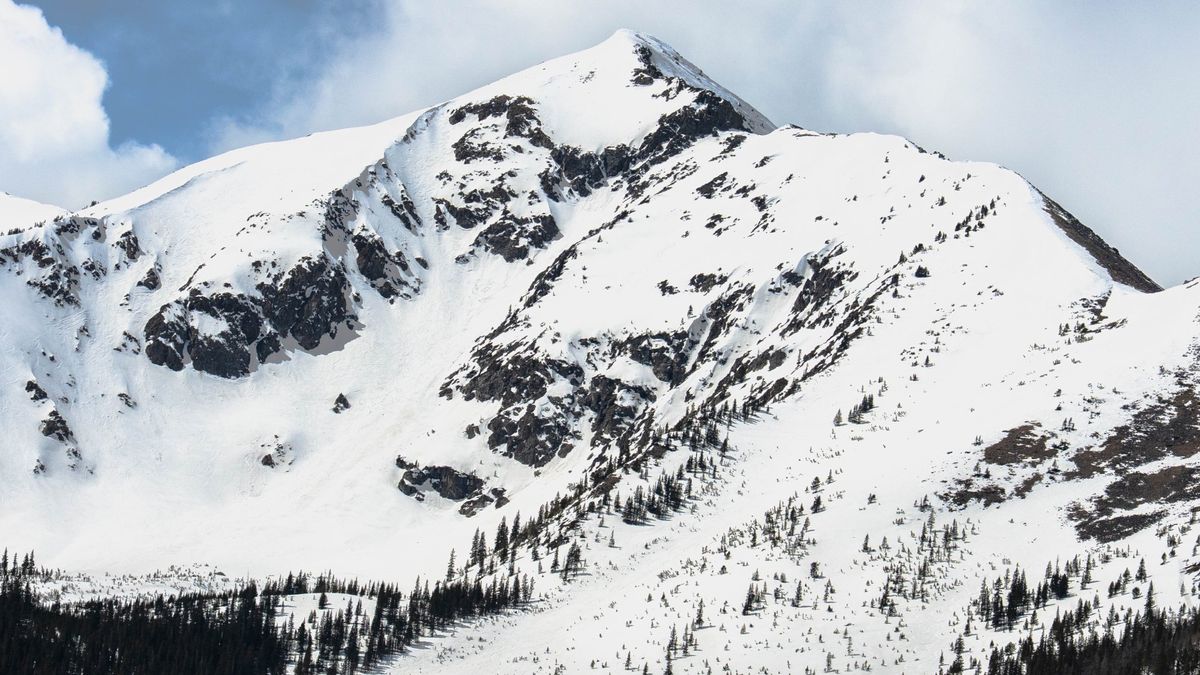
Historically low snowpack has set the stage for a challenging holiday season for skiers and resorts in the Mountain West.
In the Colorado Rockies, Utah’s Wasatch Range and in Lake Tahoe, snowfall this season is tracking well below 50% of normal, according to National Weather and Climate Center data.
Making matters worse, the warmest November on record in much of the Mountain West has been followed by spring-like warmth in December, causing difficulties for snowmaking and increasing melt-off of what little snow has fallen.
In Park City, for example, high temperatures have exceeded 50 degrees every day but one over the past week, with thermometer readings climbing into the 60s on three of those days.
The result: Destination ski resorts have opened very little terrain as the holidays arrive.
Less than 20% of runs are open across the large majority of the major mountains in Colorado, according to On the Snow.
Vail Mountain Resort had just 51 of 277 runs open on Dec. 23, for example. At Telluride, things were even more dire, with just 19 open runs out of 149.
The situation is similar in Utah. Park City’s Deer Valley Resort had just 30 of 202 runs open on Dec. 23.
And in the Tahoe area, things are even more dismal. Some of the largest mountains are barely open at all. Palisades Tahoe had just three of 288 runs open on Dec. 23, and Heavenly had only 11 open out of 111.
The good news for Tahoe is that lots of snow is on the way. A massive storm is expected to move through the region this week, and it could dump several feet of snow. Utah might also get a some relief. Alta is expecting five inches of snow on Christmas Day.
In the meantime, ski resorts are focusing more than usual on what they can do to keep guests happy as they arrive for the holidays.
“In Colorado and Utah, teams are focused on setting clear expectations for guests while also leaning into the broader holiday experience,” said Vail Resorts spokesman John Plack. “The early season has already been packed with energy, including on- and off-mountain events, live music, après activations, and the Rockstar Energy Open at Breckenridge. As we move into the holidays, resorts are expanding their offerings even further, from avalanche dog meet-and-greets and pop-up music to additional village-based activities designed to create a festive atmosphere beyond the slopes.”
In addition to pointing out nonski activities on offer, Plack expressed optimism because of the Tahoe snow forecast.
Alterra Mountain Company spokeswoman Kristin Rust also referenced improving snow forecasts. Alterra owns or operates 17 North American ski areas and owns the Ikon Pass.
She also said resorts “are activated with events and activities to entertain guests off the mountain and create the festive atmosphere they are looking for when holidaying in the mountains.”
Neither Vail nor Alterra commented on the impact of weak early season snow on bookings, but data from Inntopia Business Intelligence suggests it has taken a toll. The booking pace in November fell 19.8% year over year for guests arriving over the next six months.
Year-over-year occupancy in December was slightly up some days and slightly down in others, said Tom Foley, Inntopia’s senior vice president of business intelligence. But Foley said Inntopia hasn’t seen a notable uptick in cancellations of holiday ski trips.
“For the most part, lack of volume is coming from lack of bookings,” he said.
Foley said ski destinations can recover from a weak holiday season. The true meat of the season is January through March. But snowfall is needed.
Better conditions elsewhere in North America
There are some U.S. regions where Mother Nature has been kind to ski resorts. Those include Jackson Hole, northwest Montana, the interior of British Columbia and the Northeast.
Some of the largest Northeast ski areas, including Killington, Stowe, Jay Peak and Sugarbush, have most of their terrain open.
Though Inntopia’s data for Northeast ski destinations isn’t as granular as it is for the Mountain West, Foley said evidence suggests that some would-be travelers have shifted their mountain travel plans in that direction.
Alterra’s Kristin Rust also called attention to the various regions that have had better snow fortunes so far this winter than Colorado, California and Utah.
“While it has been a slow start to winter in the west, the East Coast and Canadian Rockies have seen some of the strongest early season snowfall in many seasons, demonstrating the importance of our geographic diversity,” she said.