
The Boston Red Sox are no strangers to breakout prospects. In 2023, the team saw Roman Anthony burst onto the stage and emerge as one of the best prospects in the sport, while 2024 saw the same happen with Kristian Campbell, as the young player made his way from High-A Greenville all the way up to Triple-A Worcester. Even just this past season, the team saw Payton Tolle become their latest breakout prospect alongside fellow left-handed pitcher Connelly Early as the duo both made their way to the majors to help the Red Sox with their push for the postseason.
Now, with the Red Sox’s farm system having graduated most of its top prospects, the question becomes: Who is set to emerge as the next big-name breakout in the organization? There are a few potential candidates, so let’s analyze four under-the-radar prospects who could emerge as top-shelf stars.
3 Red Sox prospects with breakout potential in 2026
Henry Godbout – Second Base
Godbout, who was drafted in the second round of the 2025 MLB Draft, made his professional debut for High-A Greenville this past season, appearing in 13 games. While a small sample, the infielder did not disappoint as he put up a stat line of .341/.473/.477 to go along with six doubles and five RBIs. What makes Godbout a potential breakout prospect for the 2026 season is his contact ability. While he chases at a high rate, Godbout has a short swing that is direct to the ball that goes well with his strong hand-eye coordination and his feel for the nose of the bat. Along with that, Godbout has showcased an increase in his bat speed since being drafted, a skill the Red Sox have honed in on under Craig Breslow.
Should Godbout’s power increase without sacrificing his elite hit tool, he could become a top prospect in the organization. The projection is due to the fact that Godbout fits the same mold of college bats the Red Sox have targeted in past drafts and is a strong candidate for their bat speed program. And despite his tendency to chase, Godbout is difficult to strike out thanks to his contact skills.
Blake Wehunt – Pitcher
Wehunt was drafted in the ninth round of the 2023 draft while Chaim Bloom was in charge. but has ended up checking off a lot of boxes that Craig Breslow looks for in pitching prospects. Standing at 6-foot-7 and have plus extension, Wehunt generates a lot of downhill force toward the plate. Currently sitting 93-96 mph, his fastball has shown life at the top of the zone and can also sink at the bottom, allowing Wehunt to change a batter’s eye level with just one pitch. While his cutter, sweeper and splitter aren’t as good as his fastball, he is comfortable throwing the cutter and splitter for strikes.
The 2025 campaign was a rough season for Wehunt if you look at just his numbers: 2-8 record, 5.68 ERA and a 1.47 WHIP. But when you look deeper, you can see the improvements he’s made. Wehunt had a 10.80 strikeout per nine innings, good for a strikeout rate of 27%. On the season, he had bad luck at times, as a .341 batting average on balls in play led to opponents hitting .258 against him and his FIP being 4.10 instead of his expected FIP of 3.61. His ERA of 5.68 was also inflated due to one bad start where he allowed seven earned runs in just 2/3 of an inning. Wehunt also missed over a month of the season due to a lat strain, possibly playing a role in his performance upon his return where he allowed 18 earned runs across 10 2/3 innings.
A healthy 2026, along with continued development of secondary pitches, could see Wehunt become the next big pitching prospect to shoot up the rankings. Or, at worst, he could become a dominant reliever who either helps the big-league club eventually or is traded for major-league talent.
Luke Heyman – Catcher
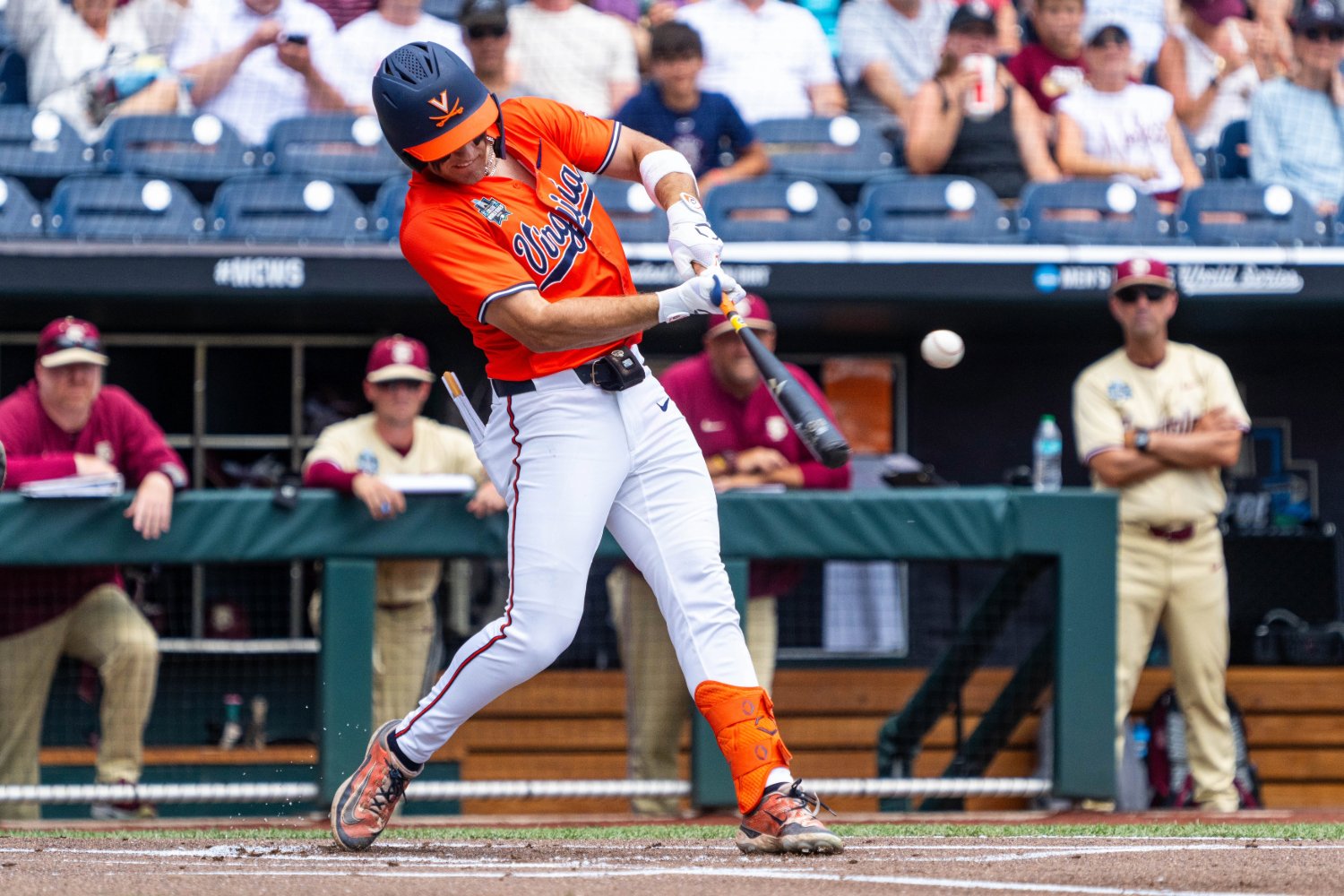
Heyman was acquired at the 2025 Rule 5 roster protection deadline and honestly feels a bit early to be picked as a breakout candidate. He hasn’t played a single game in professional baseball yet. Still, he’s got all the tools to thrive immediately in the Red Sox’s sytem.
Heyman was comfortable hitting fastballs in college but will need to show he can handle secondary pitches, especially against professional pitching. However, with plus power that goes with high exit velocities and good batted ball angles, he’s going to hit the ball hard. His collegiate career proved that he could hit for power, and his final season, he also showed an improved ability to put the ball in play cutting back from 69 strikeouts his sophomore season to just 38 in his junior year (though he played in 15 less games). His ability to hit velocity was thanks in part to solid bat speed and his ability to stay balanced during his swing.
Defensively, there’s no clear position that stands out as a perfect home. However, his arm is the real deal. It currently is rated as being above average and helped him throw out quite a few runners in college. If he is at least close to being average when it comes to blocking pitches behind the plate, his arm could be the difference in whether he remains a catcher or moves elsewhere.
Heyman’s potential for a breakout season will all depend on his health and how much playing time he gets due to the influx of catching talent in the lower levels of the Red Sox’s minor league system this offseason.
What do you think? Do you agree with these prospects as being potential breakout players, or do you feel there’s someone else that should have been included? Leave your thoughts down below in the comments!
Interested in learning more about the Boston Red Sox’s top prospects? Check out our comprehensive top prospects list that includes up-to-date stats, articles and videos about every prospect, scouting reports, and more!