
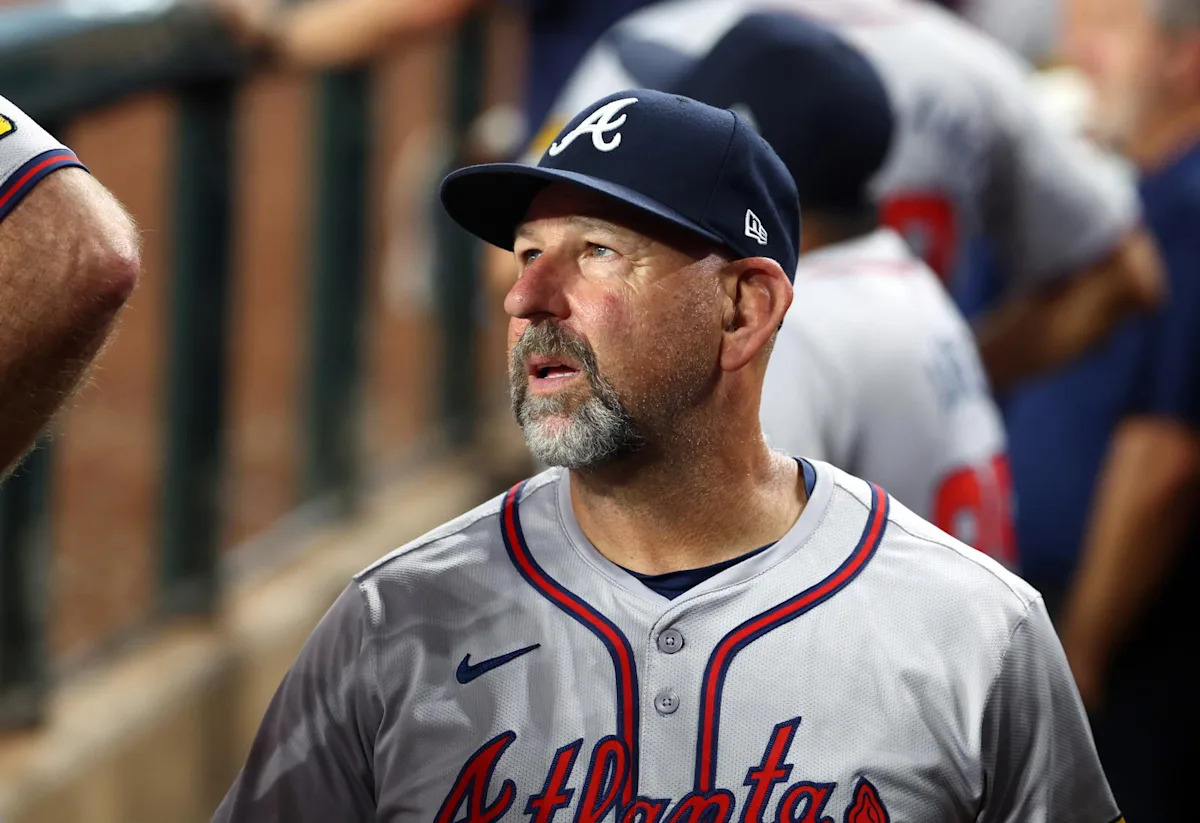
The Atlanta Braves have had a busy offseason as they construct the roster for the 2026 MLB season. Though winter is only halfway through, it is already clear that next year could look much different for Atlanta.
The front office has made several notable moves, re-signing shortstop Ha-Seong Kim to a one-year deal, trading for versatile utility man Mauricio Dubon and adding outfielder Mike Yastrzemski. They have also elected to keep catcher Sean Murphy on the active roster.
Advertisement
Collectively, these additions bolster the Braves’ depth and give new manager Walt Weiss more flexibility heading into the season.
That flexibility is a key reason the Braves appear positioned to reenter the playoff mix after a disappointing year in 2025. According to ESPN’s Buster Olney, the organizational shift goes beyond roster construction and extends to how Weiss plans to deploy his players across a long season.
“Out of respect for outgoing manager Brian Snitker, I don’t think it’s been talked about very much, but it is the clear intention of Walt Weiss to rest his players more than Brian Snitker did, and I do think you’re going to see more situations where guys who under Snitker might have played 158 games, maybe they’re playing 148,” Olney reported.
That philosophical change is backed by the personnel Atlanta added this winter. Dubon’s versatility allows the Braves to protect key contributors from difficult matchups without sacrificing defense or lineup balance.
Advertisement
Yastrzemski and other complementary bats give Weiss more platoon options, while Murphy’s ability to split time between catcher and designated hitter opens additional avenues to keep the lineup fresh. Rather than prioritizing the symbolism of playing every day, the Braves appear focused on maximizing efficiency and performance.
The difference from last season is significant. Atlanta routinely handed extended playing time to fringe players, which dragged down the offense and limited in-game flexibility. Olney’s co-host highlighted that issue while explaining why this year’s approach should lead to a rebound.
“This is a team last year that just gave away way too many at-bats, and you just don’t have the ability to give away that many outs. But now you can freshen up players and shield them from really tough platoon issues. That’s the kind of thing that the Braves have gotten wrong in the past,” Paul Hembekides of ESPN said.
With deeper options, smarter workload management and a clearer plan for matchup-based lineups, Atlanta has addressed many of its recent shortcomings. Those changes support the idea that the Braves’ offseason moves should put the club firmly back in the playoff mix in 2026.