
The start of a new year is supposed to bring optimism, fresh goals, and the belief that this time things will be different. For the Minnesota Twins, that optimism usually lasts until about mid-April, when the weather is bad, the bats are cold, and everyone is already checking the wild-card standings.
Still, resolutions are important, and if nothing else, they give us something to laugh about while waiting for baseball to matter again. With that in mind, here are some New Year’s resolutions for key members of the Twins organization as they brace for another season of vibes, missed opportunities, and selective optimism.
Tom Pohlad: Learning Where the Checkbook Is
Taking over the reins from Joe Pohlad means Tom now gets the privilege of being blamed for everything. His resolution is simple in theory and impossible in practice: figure out how to look like a modern baseball owner without actually spending like one. This includes mastering the art of saying the words ‘competitive’ and ‘sustainable’ in the same sentence while carefully avoiding any firm commitments. Bonus points if he can attend a game in April and convince fans that better days are coming without specifying when.
Derek Falvey: Turning Water Into Wins on a Budget
Falvey resolves to once again prove that a roughly $100 million payroll can survive in a league where that figure barely buys a top-tier starter elsewhere. The goal is to outsmart teams that simply buy stars by finding value in versatility, depth, and guys who once had a good month in 2019. If the Twins sneak into contention, Falvey will be praised as a genius. If not, the team can always trade away its stars at next year’s trade deadline.
Derek Shelton: Watching From Afar and Doing the Math
After being fired by Pittsburgh, Shelton now has the unique experience of watching his former team potentially outspend the Twins. His resolution is to process that information without laughing too loudly. Somewhere along the way, he might also remind people that managing with limited resources builds character, even if it does not build playoff rosters. At the very least, he can take comfort in knowing he escaped before Paul Skenes is traded to the Yankees.
Byron Buxton: Solving the MVP Equation With a Calculator and a Calendar
Buxton’s New Year’s resolution is less about baseball skill and more about advanced math and load management. The goal is to finish top-10 in MVP voting while appearing in just enough games to qualify without angering the baseball gods. This will require perfectly timed hot streaks, national TV highlights, and at least one stretch in which he carries the team for two weeks before being immediately listed as day-to-day. If executed properly, Buxton can secure his contract bonus, remind everyone of his ceiling, and still leave fans wondering what might have happened if he had played another 30 games.
Royce Lewis: Becoming Indispensable Before the Next Spreadsheet Update
Lewis enters the year with a resolution to force his way back into the Twins’ long-term plans before his name becomes a movable asset in trade deadline rumors. The strategy is straightforward. Stay healthy just long enough to mash in high-leverage situations and make any conversation about his future deeply uncomfortable for the front office. Ideally, Lewis will produce at a level where fans argue he should be untouchable while decision makers quietly check his service time and injury history. If all goes well, he will be both central to the future and perpetually discussed as expendable, which is the true mark of a Twins cornerstone.
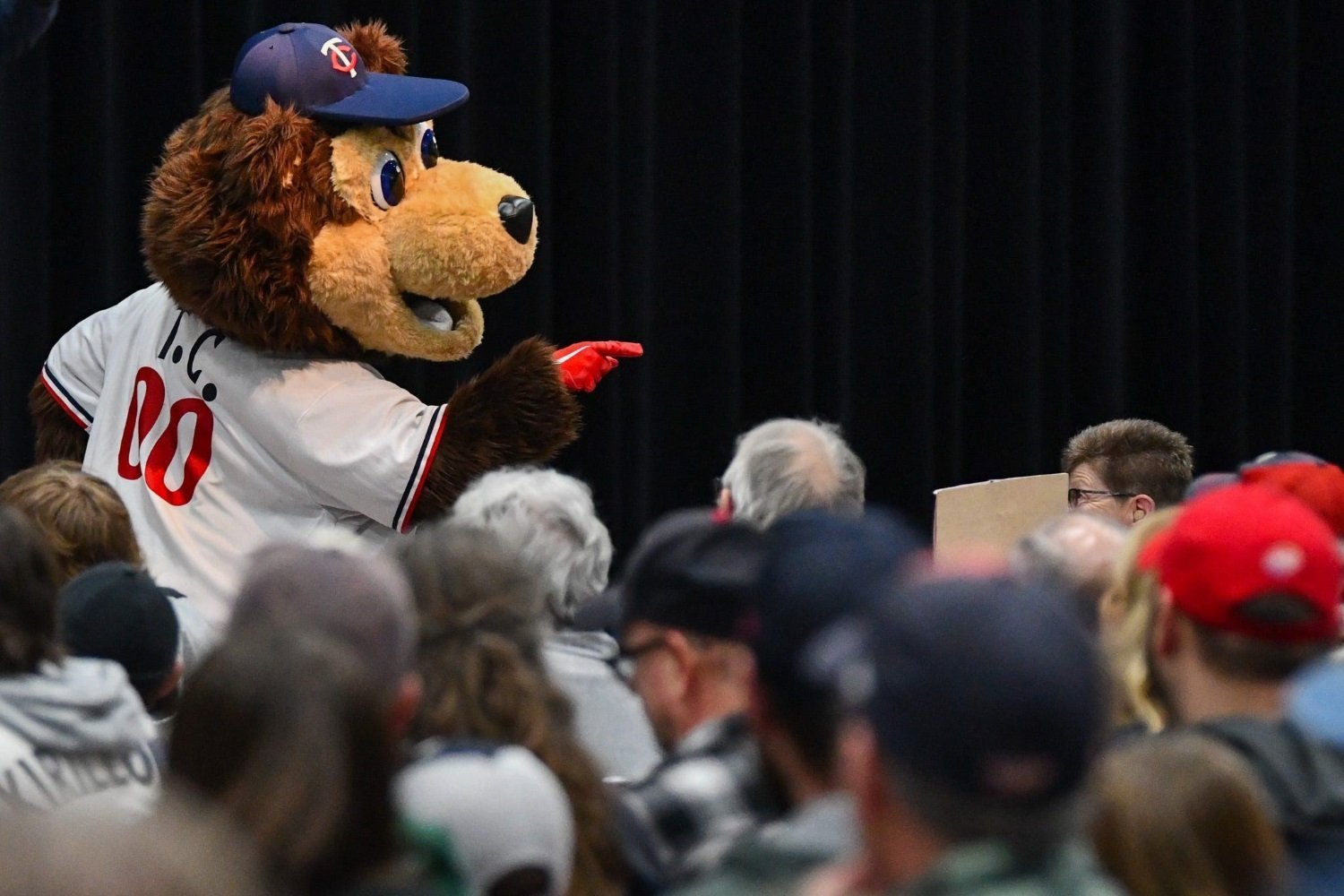
T.C. Bear: Bringing the Energy to a Quiet Ballpark
Perhaps the toughest resolution of all belongs to T.C. Bear. His task is to get fewer than one thousand fans fired up during an early-season weekday game when the temperature is barely above freezing, and half the crowd is there for the free beanie. With season tickets expected to crater, the mascot will need new routines, new jokes, and possibly new pyrotechnics. If he can get a genuine roar out of that crowd, he deserves a roster spot.
Resolutions are easy to make and more challenging to keep, especially in baseball, where patience is preached, and urgency is avoided. The Twins will enter another season promising flexibility, smart decisions, and internal improvement. Maybe some of these resolutions will stick, and maybe they will quietly fade by summer. Either way, the calendar has turned, and hope has been renewed, which in Minnesota might be the most reliable tradition of all.