
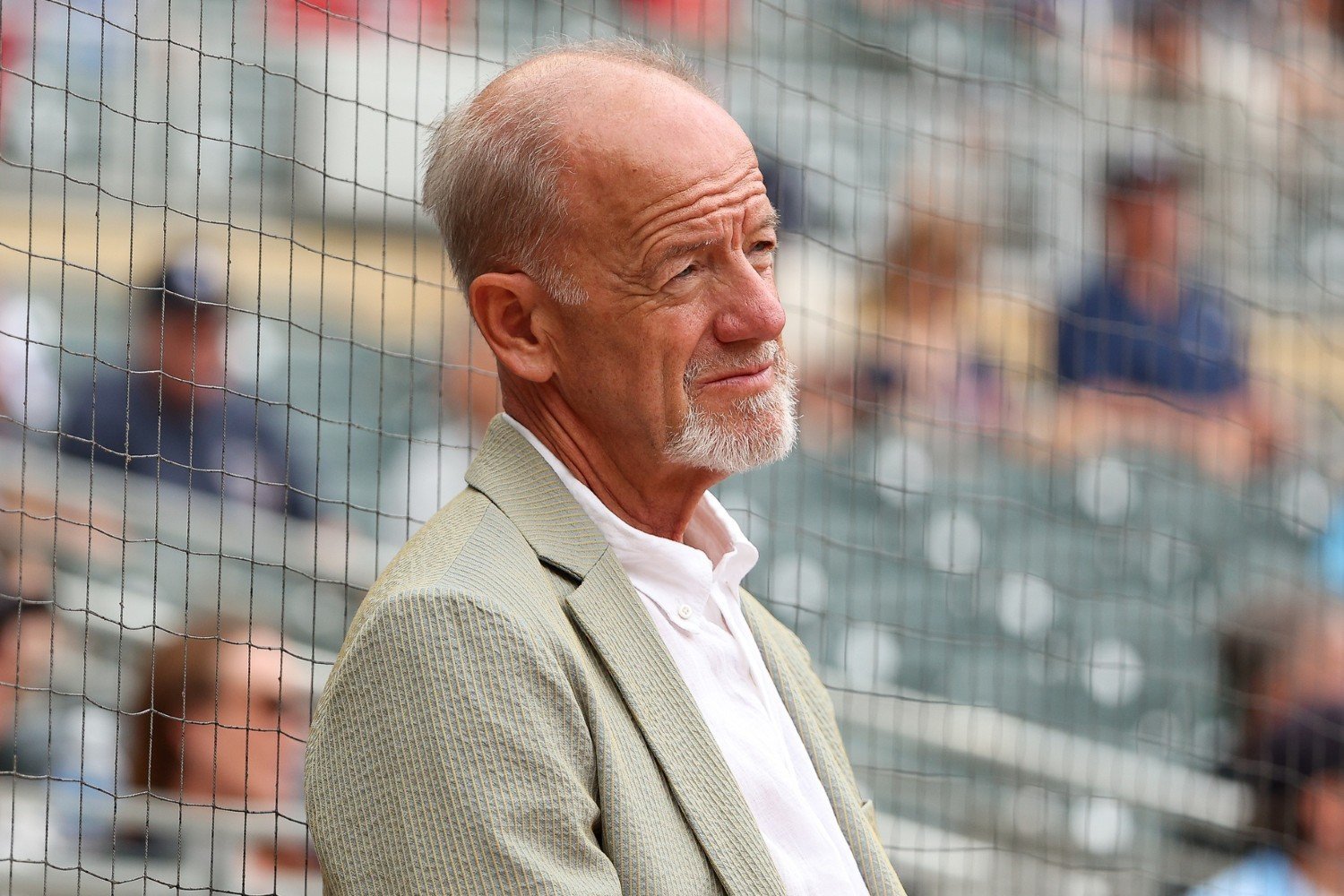
If Minnesota Twins fans feel like they’ve heard this story before, it is because they have. Nearly 30 years separate the current financial messaging from the late 1990s, but the current posture from ownership feels almost identical. The numbers have grown, the league has changed, and revenues have exploded, but the Pohlad family continues to rely on the same explanations and expectations.
In December 1998, Jim Pohlad and Twins president Jerry Bell attempted to justify a dramatic rollback in spending by saying, “We’re open to suggestions.” Those suggestions came alongside the revelation that the Twins would operate on a payroll as low as $10 million for the 1999 season, easily the lowest in Major League Baseball. The Pohlads claimed losses of up to $60 million over the prior five seasons, despite the team carrying a $27-million payroll in 1998. At that time, 10 individual MLB players were earning higher average salaries than the Twins’ entire roster.
To be fair, ownership did have a tangible grievance in that era. The Metrodome lease was widely viewed as one of the worst stadium deals in baseball. Revenue streams were limited, premium seating was minimal, and the Twins had little control over key income sources. That poor stadium arrangement was often cited as a primary reason for the team’s financial struggles, and it was not without merit. The economics of baseball in the 1990s were far different, and Minnesota was genuinely operating at a disadvantage compared to teams with modern facilities.
That context, however, came with a darker edge. The Pohlad family did not simply plead poverty. They openly flirted with contraction. The Twins were repeatedly floated as a candidate for elimination, a threat that hung over the fan base and the state. It was leverage then, just as financial distress often feels like leverage now. It might well be that the intention to contract was never real, but the elaborate charade the team and league undertook was proof of their commitment to extracting money and power from the community.
The baseball operations side of the organization leaned into the same logic. Then-general manager Terry Ryan attempted to normalize the payroll gap.
“After this season, everyone could see that the teams that were paying $40 million weren’t doing any better than the teams paying $15 million,” he said. “Right now, if you’re at $60 million, you might as well be at $20 million.”
It was a convenient argument, at the dawn of an era that would soon prove spending absolutely mattered.
Fast-forward nearly three decades, and the justifications sound hauntingly familiar. The Twins reportedly accumulated more than $500 million in debt (much of it, whether the family cares to admit it or not, freighted onto the Twins as the Pohlads’ commercial real estate investments took huge post-COVID hits) and were put up for sale in late 2024. When a full sale failed to materialize, the team was pulled off the market, and minority shares were sold to multiple investment groups to stabilize finances. Once again, the Pohlad family has suggested that operating the team itself costs more than they make.
That explanation lands far differently in 2026. The Twins now play in a publicly funded, revenue-friendly ballpark that dramatically altered the franchise’s financial outlook. Target Field was supposed to put an end to the Metrodome excuses. There is no bad lease to point to now. There is no outdated facility suppressing revenue. There is no legitimate comparison to the late 1990s environment. Yet, the same talking points persist.
For 2026, the Twins are projected to have a payroll of around $100 million. In today’s MLB landscape, that places them uncomfortably close to the bottom. Eight teams are currently projected lower, and four more are within $5 million and could easily surpass Minnesota before Opening Day. Cleveland, Tampa Bay, and Miami all sit below $80 million, and the Twins would likely only join them by trading Pablo López (and his $21-million contract) and further thinning the roster. For a franchise that insists it wants sustained competitiveness, the margin for error remains razor-thin.
Ownership continues to rely on the same narrative it has used for decades. They say (implausibly) that the team is losing money. They say the economics are complex, and that spending must be restrained. If that is truly the case, the solution is obvious: Sell the team. Owning a Major League Baseball franchise is not a civic obligation. Other organizations are making money while fielding competitive teams, year after year. If the Twins are a financial burden rather than a viable business, then it is time for the Pohlad family to step aside. They aren’t, of course; that’s a lie. If the family is dedicated to that lie, though, they still ought to sell.
For fans searching for hope, it may exist beyond the 2027 season and the potential for another lockout. A reset of baseball’s economic structure could create a more favorable environment and allow the Pohlads to sell the franchise at a price they consider acceptable. That outcome might finally close a chapter that has dragged on far too long.
Until then, Twins fans are left watching the same movie on repeat. The excuses are familiar. The stakes feel lower than contraction, but the frustration is just as real.
Is this simply history repeating itself, or is there still a path forward with the current ownership group? Share your thoughts in the comments.