
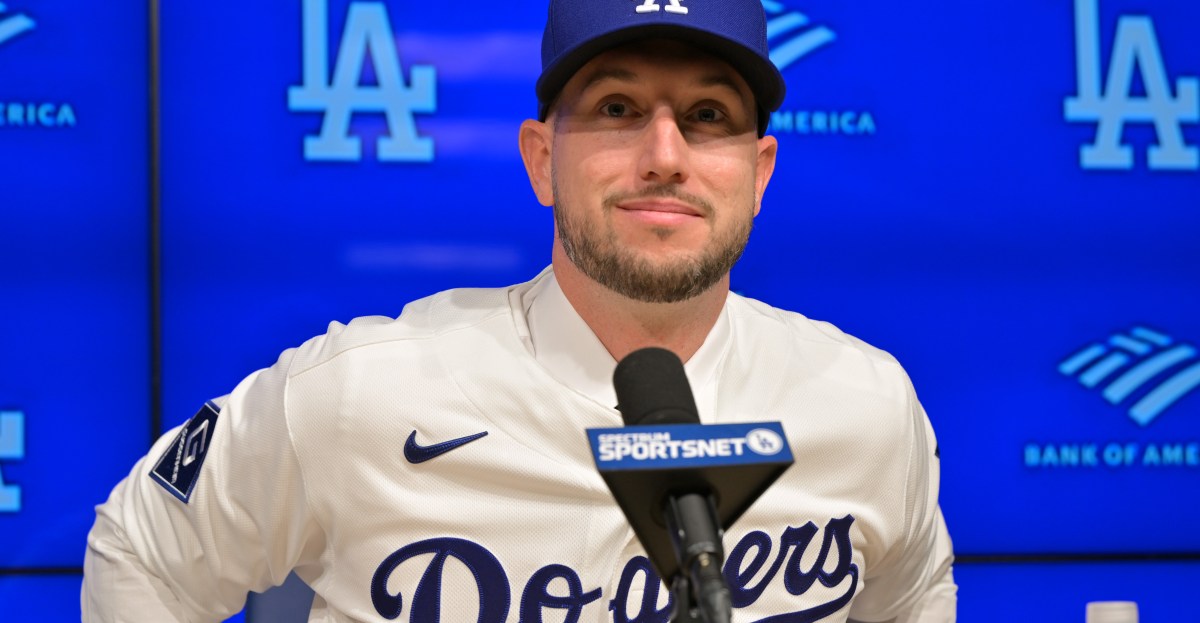
The Dodgers finalized their deal with Kyle Tucker on Wednesday, signing the outfielder to a four-year contract worth $240 million.
2026: $1 million
2027: $55 million
2028: $60 million player option
2029: $60 million player option
Tucker is one of 10 Dodgers with deferred money in their contract, with a total of $1.0945 billion scheduled to be paid out between 2028-47. Shohei Ohtani’s $680 million deferred — 97 percent of his 10-year contract — is the outlier, with deferred money in the other nine contracts ranging between 12.5 percent (Tucker) and 36.3 percent (Blake Snell) of the total contract guarantee.
The deferrals in Tucker’s contract reduce the average annual value from $60 million to $57,195,945 per year.
Tucker has two opportunities to opt out of the contract — after either the 2027 or 2028 seasons. The Dodgers typically don’t include opt-outs, but given that Tucker was also being heavily pursued by the Toronto Blue Jays and New York Mets, including the ability for Tucker to leave potentially after two seasons was a way for the Dodgers to sweeten the deal.
“In two years, we’ll know a lot more about a lot of things than we do know, and just because he opts out doesn’t mean that we won’t be there to try to sign up,” Dodgers president of baseball operations Andrew Friedman said. “In any deal you’d prefer to to have an opt-out. Generally speaking, I think they’re very poorly priced in the market, which is why we have avoided them by and large. In this case, it just made sense for a confluence of reasons.”
“The depth of our system put us in a position where, while the cost is still meaningful, it wasn’t as significant. We have a very strong system up top,” Friedman said. “But even more than that, I think the depth of our system allows us this one year to have our food budget for the draft meetings exceed our signing bonuses. It’s not great by any means, but just trying to balance that with doing everything we could to put ourselves in the best position to win a championship in 2026.”