
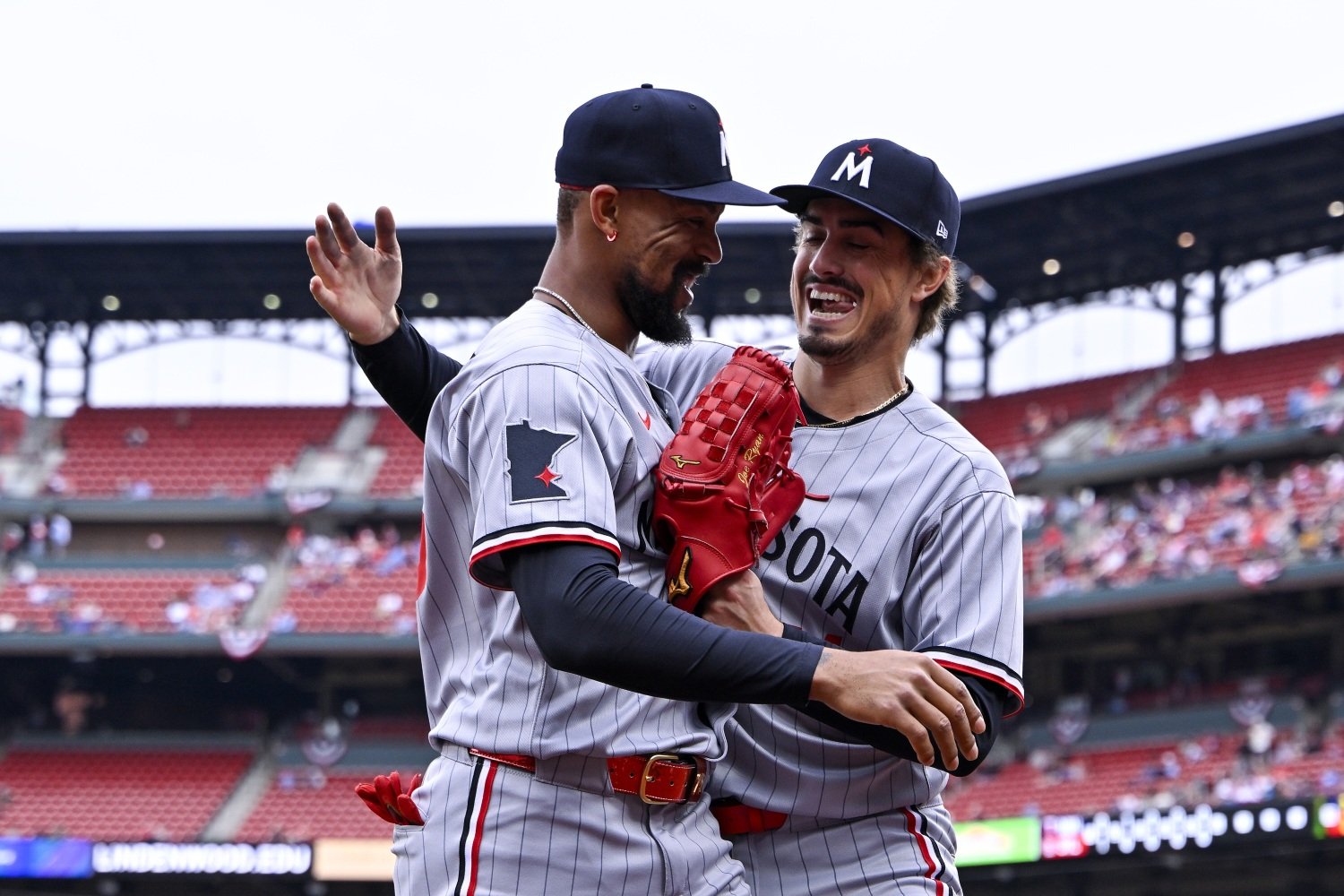
The Twins entered the offseason with everything on the table. It felt very possible that they would trade their few remaining star players, Joe Ryan, Pablo López, and Byron Buxton. Instead, they chose to keep these players, to the delight of fans, as they announced their intention to contend in 2026. As we look at the roster as February approaches, it may be time to ask why they chose this path.
The Twins should make every effort to contend every season. They play in the AL Central, which has long been one of baseball’s less competitive and lower-spending divisions. They also have a handful of star-caliber players to build a successful roster around. They had a clear path to contention, with a handful of additions to bolster the roster. As spring training approaches, though, it’s unclear whether they’ve made a reasonable effort to build a contender.
Minnesota’s offseason has moved them forward, rather than backward, but has it pushed them back to the front of the underwhelming pack? Context is key: Several of their decisions are understandable in a vacuum, but eyebrow-raising in the context of their situation. Tendering Trevor Larnach a $4.475-million contract yields reasonable value. So does bringing in Josh Bell for $7 million. Carrying two players who are best-served in a DH role on a team with strict financial limitations seems excessive.
Adding Alex Jackson via trade to back up Ryan Jeffers, who is expected to take on a bigger role, was reasonable. So was signing Victor Caratini to a multi-year deal last week. Carrying three catchers on this already disjointed roster doesn’t make a lot of sense, though, so now, either Jackson or Jeffers seems likely to be headed out the door. Meanwhile, as the Twins continue to invest their limited payroll in adding to logjams across the roster, they’ve made just two modest additions to the bullpen (Eric Orze and Taylor Rogers), after parting with several cost-controlled, high-leverage relievers at last year’s trade deadline.
After preaching athleticism and defense at the end of another disappointing 2025 season, the roster has arguably gone in the other direction, looking likely to be one of the slowest and worst defensive squads in baseball once again. Their logjam of left-handed bats has not been resolved, and even their additions to the offense, such as Bell and Caratini, who are switch-hitters, are better from the left side. The bullpen, which should have been priority number one going into the offseason, has been only lightly reinforced and projects to be one of the worst in baseball in 2026.
The offseason may not yet be complete, but the current roster is so flawed that it’s difficult to see how the issues will be resolved without a historic flurry of moves. No matter what the Twins say, this is not a championship-caliber roster. So why didn’t they just sell off their star players, if the current roster is anything close to the final product?
It’s possible that the decision to keep all of their stars earlier this offseason was made to appease fans, rather than to compete in 2026. They said all the right things about the fanbase’s cratering interest in their product, and then announced they wouldn’t tear the roster down any further. Trading away their remaining valuable veterans and fan favorites would have alienated the fans even further, before the season even started. Given a payroll that will already be significantly lower than last season’s, they could afford to keep these players and try to regain fans’ trust.
For now, though, the offseason has been insufficient to meet that objective. Perhaps there are more moves to be made, but it’s impossible to envision a functional roster on the field for Opening Day with anything less than a complete overhaul. They may have kept their star players for now, but they’re headed for another major trade deadline selloff in July, based on how they’ve handled the offseason thus far.
It’s possible this was the intention all along—that Ryan, Lopez, and Buxton weren’t kept to build a competitor for 2026, but rather to temporarily hit pause on the free-falling interest of their fanbase, with knowledge that they could still bring a haul at the trade deadline. It’s either that, or they genuinely believe that the roster as currently constructed can compete in 2026. At the moment, neither option inspires confidence.