

Six games in, and the Cubs are sitting at 3 – 3, which sounds harmless until you look at how it’s happening. When the pitching is sharp, Chicago wins. When the lineup has to grind, they don’t. And that outcome is not really news to anyone, right? The formula is easy to concept: play good baseball = win column. But the thing is, with these Cubs, the expectation is higher. PCA. Nico. Bush. Dansby. Bregman. Which sparks the question – is this offense built to create its own pressure consistently, or is it built to survive on hopes and vibes?
MORE: 5 MLB rookies to keep your eyes on in 2026
A Series That Told the Whole Story
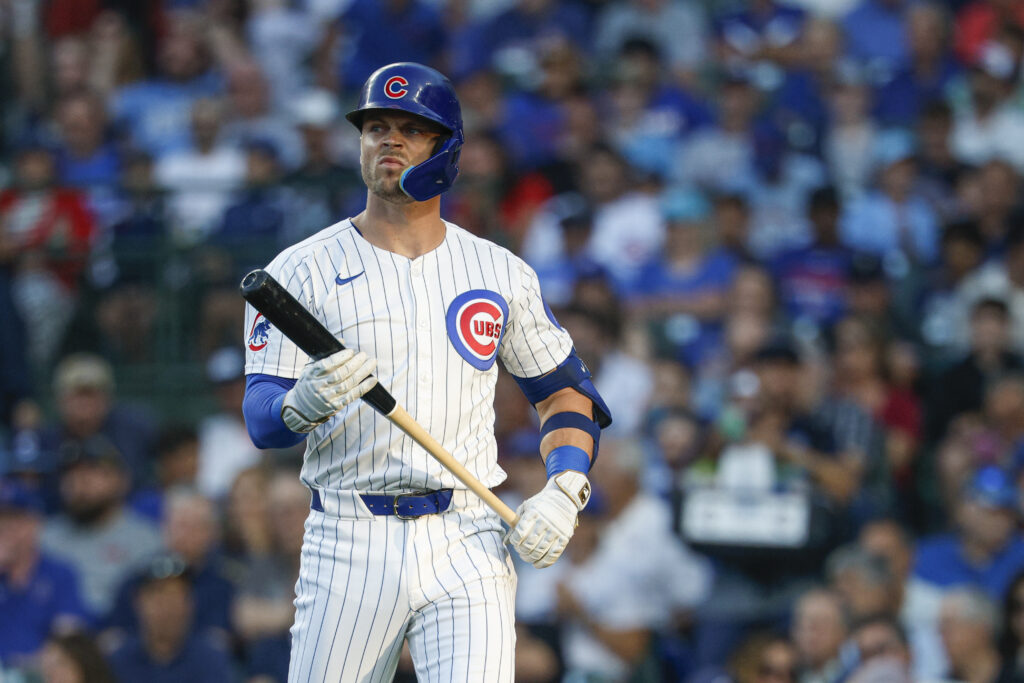 Jul 21, 2025; Chicago, Illinois, USA; Chicago Cubs second baseman Nico Hoerner (2) reacts after striking out against the Kansas City Royals during the first inning at Wrigley Field. Mandatory Credit: Kamil Krzaczynski-Imagn Images
The Angels series gave us the full picture in three games. Chicago got blanked 2–0 in the middle game while José Soriano went 6 scoreless, and the Angels finished a 4-hit shutout—the Cubs went 0-4 with runners in scoring position, and stranded seven.
The next day, they responded with a 6–2 win behind a five-run third inning, with Nico Hoerner going 3-for-5 with two doubles, an RBI, a run, and a stolen base. That swing—from lifeless to functional—is exactly why the start feels mediocre instead of encouraging.
Inconsistency Is the Real Problem
The Cubs have already shown the early warning signs that kill seasons—they can be productive, but not reliably punishing. They can survive cold nights at Wrigley. They can survive one shutout. What they can’t survive is a lineup that only scores when everything lines up perfectly.
And what happens when they start facing real pitching depth every series? Because the competition hasn’t necessarily been stellar.
MORE: Stanley Cup power rankings heading into April
Pitching Is Doing Its Job
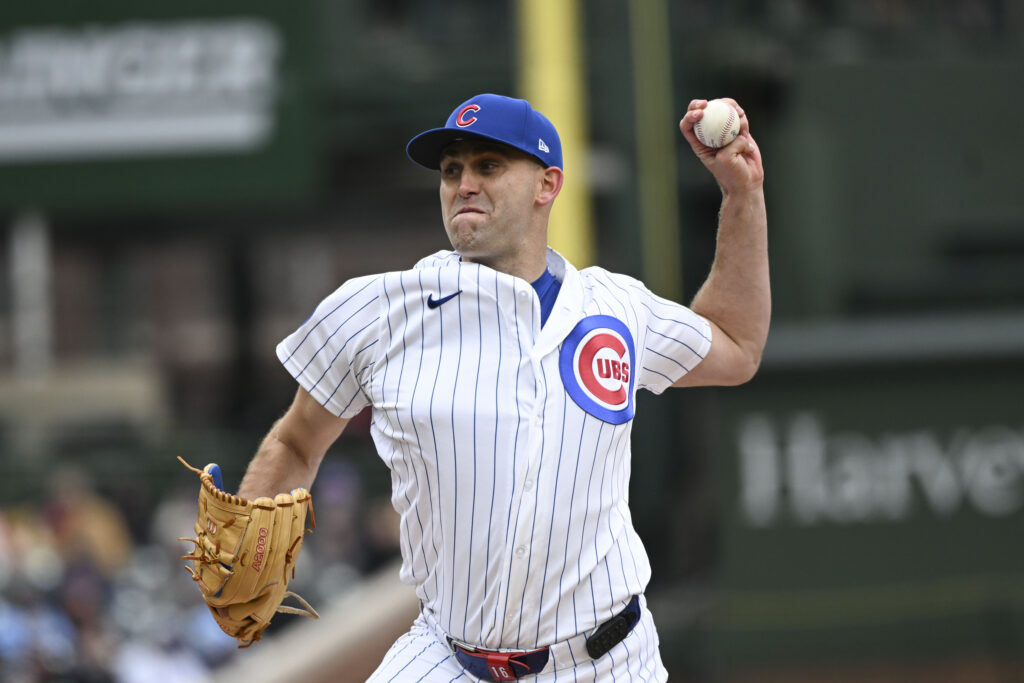 Apr 1, 2026; Chicago, Illinois, USA; Chicago Cubs pitcher Matthew Boyd (16) delivers during the first inning against the Los Angeles Angels at Wrigley Field. Mandatory Credit: Matt Marton-Imagn Images
And the pressure is amplified because the pitching has actually been good enough to win more. Matthew Boyd rebounded with 10 strikeouts over 5.2 innings in the series finale. Ben Brown’s relief work in the shutout loss was nasty too—multiple scoreless innings and strikeouts that should have been enough.
When your staff is giving you that, and you still lose because you can’t push runners across, the issue isn’t just bad luck.
The Question That Matters
So the question is simple, and I won’t be polite about it. Do the Cubs have enough lineup length to win games when they aren’t hitting nukes? Or are they about to spend April proving that the offense is all paper?