
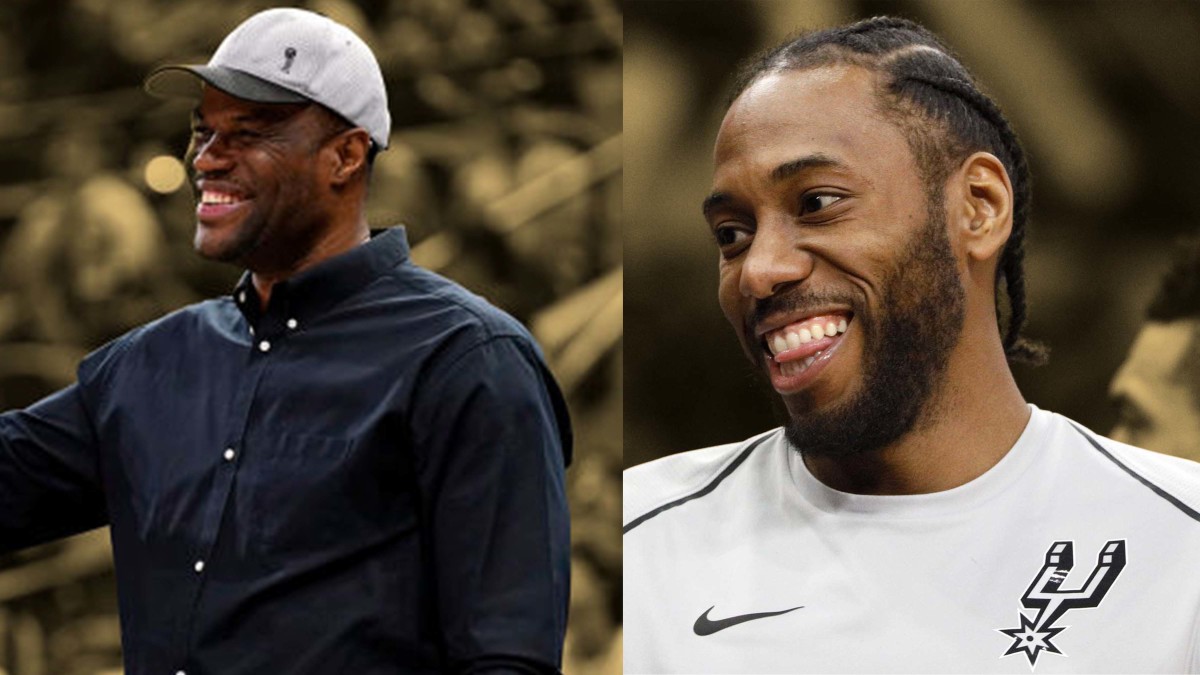
“You’re the face of a franchise, so you can’t not talk” – David Robinson admits he didn’t like how Kawhi Leonard handled his Spurs exit originally appeared on Basketball Network.
For the San Antonio Spurs, loyalty was once treated like gospel.
Advertisement
For two decades, the Spurs were the NBA’s gold standard of quiet excellence. Titles were won without theatrics, just loyalty. And even the superstars deferred to the system. From David Robinson to Tim Duncan and even head coach Gregg Popovich, everyone stuck around.
So when Kawhi Leonard, the stoic, two-time Defensive Player of the Year and Finals MVP, fractured that tradition on his way out in 2018, it didn’t just mark the end of an era; it left a profound discomfort that still lingers.
Kawhi’s departure
Robinson has always maintained loyalty to the franchise. As the man who laid the foundation for San Antonio’s dynasty, he couldn’t mask his disappointment over how Leonard’s tenure unraveled and how the superstar didn’t do enough to stay.
Advertisement
“For Kawhi, it’s about growing up,” Robinson said in 2018. “You’re the face of the franchise, so you can’t not talk. You got to let people hear your voice, not somebody else’s voice.”
Those words didn’t come from a place of spite. They came from experience. The Admiral had once mentored Timmy-D, guiding the introverted rookie into the franchise cornerstone he would become. He understood the weight of leadership in San Antonio. Leonard had the game, no one doubted that.
But as the city waited for his voice, all it heard was silence.
By the summer of 2017, The Klaw was poised to inherit the franchise. He had already built a resume most veterans would envy — NBA champion in 2014, Finals MVP against the favorite Miami Heat, two-time Defensive Player of the Year and widely considered a top-five player in the league. San Antonio had made space for him to lead, not just with his defense and mid-range surgical precision, but with his presence.
Advertisement
But instead of stepping into that leadership vacuum, Leonard’s final season with the Spurs became a blur of confusion and isolation. He played just nine games during the 2017-18 campaign due to a lingering right quadriceps injury. Initially missing the first 27 games, he returned briefly in December, only to be ruled out again in January for an indefinite period.
The team’s medical staff eventually cleared him, but Leonard opted for a second opinion from outside specialists. By March, frustration boiled over. Reports emerged of a players-only meeting where teammates, including veterans like Tony Parker and Manu Ginobili, urged him to return. Leonard didn’t budge. The situation grew more tense by the day, especially for a franchise unaccustomed to drama. He never suited up again that season.
Being traded
Through it all, Leonard remained silent publicly. There were no statements, no interviews, no signs of reassurance. For fans and teammates alike, it felt like waiting for a leader who had already checked out. Robinson, watching from the outside but deeply familiar with the Spurs ethos, saw the breakdown clearly.
Advertisement
“If you want to be a top two or three player in the league, you got to be a leader,” Robinson said. “LeBron doesn’t sit around and talk for him.”
In the months following that tense season, it became clear that Leonard wanted out. Reports surfaced that he had formally requested a trade, a move that shocked many, not because he was leaving, but because of the manner in which it was done. The relationship between Leonard’s camp and the Spurs front office had grown icy, strained by conflicting injury timelines and minimal communication.
On July 18, 2018, the Spurs pulled the trigger, sending Leonard and veteran guard Danny Green to the Toronto Raptors in exchange for DeMar DeRozan, Jakob Poeltl and a first-round pick. For Toronto, the trade was a gamble; Leonard had just one year left on his contract and gave no indication he’d re-sign. But for the Spurs, it was damage control. The system that once ran on predictability and trust had been jolted by a player who refused to follow the script.
Leonard’s skill didn’t fade, after all. His 2019 title run in Toronto and 2021 All-NBA nod proved he could dominate on the court. But leadership in basketball, especially in a culture like San Antonio’s, isn’t just about stats and rings. It’s about accountability. It’s about owning the moment, win or lose.
Advertisement
This story was originally reported by Basketball Network on Jul 13, 2025, where it first appeared.