
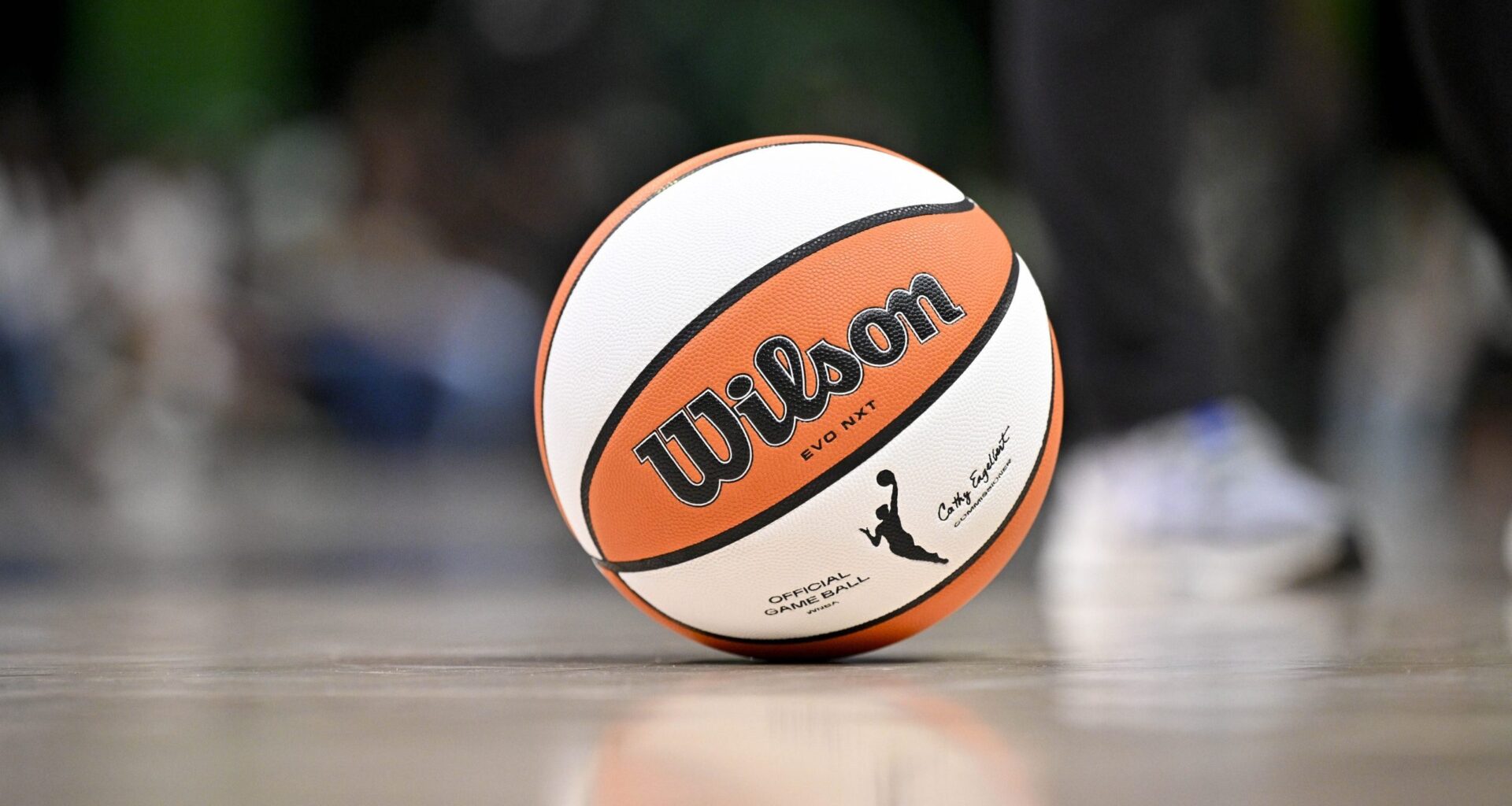
It’s a pivotal time for the WNBA. Not just with their incredible growth over the last couple years, but for the business of the league moving forward. And if the latest updates on a new collective bargaining agreement are any indication, both sides understand the gravity of the moment.
The WNBA is in the best spot it has ever been in since the league was founded almost 30 years ago. Ratings are consistently high, attendance is growing, rapid expansion will see six teams added over the course of five years, and multiple networks are now tied to the league with new media deals joined with the NBA for the next decade.
But with the growth in the WNBA over the past few years, players will certainly argue that now is the time for them to be properly rewarded.
The players opted out of their current CBA, recognizing that their value has never been higher with the likes of Caitlin Clark, Angel Reese, Paige Bueckers, and an unprecedented group of college stars recently joining the league. Clark in particular has provided a generational boost to WNBA viewership and fandom and was on site along with dozens of other players for the latest round of talks around the All-Star Game.
However, it looks like any progress working towards a deal isn’t going to happen anytime soon.
New York Liberty star Breanna Stewart was quoted in an ESPN report from the WNBA CBA negotiations as saying that the two sides aren’t really on the same page at this early stage of negotiations.
“We have a strength in numbers,” Stewart said. “[The] meeting was good for the fact that we could be in the same room as the league and the Board of Governors and that type of thing. But I think, to be frank, it was a wasted opportunity. We could have really kind of gotten into a deeper dive of everything.
“Based on their most recent proposal, we just aren’t able to get to a place where we’re actually even talking about the same thing. So I think that’s the hardest thing — our first offer and then their counter was, like, black and white.”
And Los Angeles Sparks star Kelsey Plum noted the need for greater revenue sharing, especially if the WNBA wants players to be exclusive to the league instead of looking at leagues like Unrivaled or playing overseas to supplement their income.
“Rev sharing is truly transformational,” Los Angeles Sparks guard Kelsey Plum said. “We want a piece of the entire pie. Not a piece of part of the pie. We’re a resilient group. We know the unity it takes to be able to [get] the outcome desired.”
This is the moment that could change the WNBA’s foundation for the next generation. And whatever happens, it’s going to be transformational for women’s basketball. Will players receive a greater revenue share to keep them exclusive to the WNBA? (And if so what happens to TNT’s Unrivaled 3-on-3 league?) Will the WNBA separate their media rights from the NBA to pursue their own contract in the future? How would WNBA fans respond if there is a major work stoppage and how much harm would it potentially do to the league’s popularity boom?
There are a ton of important questions facing the league and its players. But so far, there are little to no answers.